
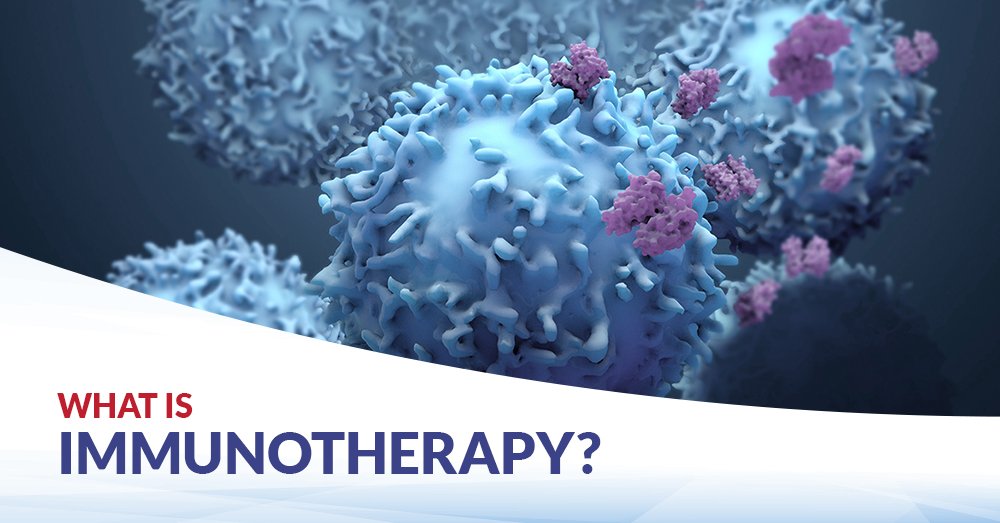
Introduction | What Is Immunotherapy?
Immunotherapy is a groundbreaking cancer treatment that harnesses the body’s immune system to fight cancer cells. Unlike traditional treatments like chemotherapy and radiation, which directly attack tumors, immunotherapy empowers the immune system to recognize and destroy cancer more effectively.
This article explores the science behind immunotherapy, its different types, success rates, potential side effects, and future advancements in cancer care.
How Does Immunotherapy Work? | The Science Behind Immune System Activation
The immune system is designed to detect and eliminate harmful invaders, including cancer cells. However, cancer can evade detection by:
Hiding from immune cells
Suppressing immune responses
Mimicking healthy cells
Immunotherapy works by:
✔ Boosting immune recognition of cancer cells
✔ Enhancing immune cell activity (T-cells, NK cells)
✔ Blocking immune suppression signals from tumors
Types of Immunotherapy | Which One Is Right for You?
1. Immune Checkpoint Inhibitors
How it works: Blocks proteins (PD-1, CTLA-4) that prevent immune cells from attacking cancer.
Used for: Melanoma, lung cancer, kidney cancer.
Examples: Keytruda (pembrolizumab), Opdivo (nivolumab).
2. CAR T-Cell Therapy
How it works: Modifies patient’s T-cells to target cancer.
Used for: Leukemia, lymphoma.
Example: Kymriah (tisagenlecleucel).
3. Cancer Vaccines
How it works: Trains the immune system to recognize cancer antigens.
Used for: Prostate cancer (Provenge), HPV-related cancers.
4. Monoclonal Antibodies
How it works: Lab-made antibodies target cancer-specific proteins.
Used for: Breast cancer (Herceptin), lymphoma (Rituxan).
5. Cytokine Therapy
How it works: Boosts immune response using proteins like interferons and interleukins.
Used for: Melanoma, kidney cancer.
Benefits of Immunotherapy Over Traditional Treatments
✅ More Targeted (Fewer side effects than chemotherapy)
✅ Long-Lasting Responses (Immune memory prevents recurrence)
✅ Works for Advanced Cancers (Effective even in late-stage cases)
✅ Combination Potential (Works well with chemo, radiation, and surgery)
Immunotherapy Success Rates | What Research Shows
| Cancer Type | Response Rate | Key Immunotherapy Drug |
| Melanoma | 40–60% | Keytruda, Opdivo |
| Lung Cancer | 20–30% | Tecentriq, Imfinzi |
| Hodgkin’s Lymphoma | 80–90% | Opdivo, Keytruda |
| Bladder Cancer | 20–25% | Tecentriq, Bavencio |
Source: American Cancer Society, 2023
Side Effects of Immunotherapy | What to Expect
While generally safer than chemotherapy, immunotherapy can cause:
⚠ Fatigue
⚠ Skin reactions (rashes, itching)
⚠ Autoimmune reactions (colitis, thyroid issues)
⚠ Flu-like symptoms (fever, chills)
Most side effects are manageable with early intervention.
Immunotherapy vs. Chemotherapy | Key Differences
| Factor | Immunotherapy | Chemotherapy |
| Mechanism | Boosts immune system | Kills fast-growing cells |
| Side Effects | Fewer, but can be severe | More common (nausea, hair loss) |
| Duration of Response | Long-lasting | Temporary |
| Best For | Solid & blood cancers | Fast-growing tumors |
Future of Immunotherapy | What’s Next?
�� Personalized Cancer Vaccines (Tailored to individual tumors)
�� Combination Therapies (Immuno + targeted drugs)
�� AI-Driven Treatment Optimization (Predicting best responses)
FAQs About Immunotherapy
1. What is immunotherapy?
Immunotherapy is a cancer treatment that boosts the body’s natural defenses to fight cancer cells.
2. How does immunotherapy work differently from chemotherapy?
While chemotherapy directly kills cancer cells, immunotherapy helps your immune system recognize and attack cancer more effectively.
3. What are the main types of immunotherapy?
The primary types include checkpoint inhibitors, CAR T-cell therapy, cancer vaccines, monoclonal antibodies, and cytokine therapy.
4. Which cancers can be treated with immunotherapy?
It’s used for melanoma, lung cancer, lymphoma, bladder cancer, and increasingly for many other cancer types.
5. How successful is immunotherapy?
Success varies by cancer type, with response rates ranging from 20% to 90% depending on the specific cancer and treatment.
6. What are immune checkpoint inhibitors?
Drugs that block proteins (like PD-1 or CTLA-4) that prevent immune cells from attacking cancer cells.
7. What is CAR T-cell therapy?
A treatment where a patient’s T-cells are genetically modified to better recognize and attack cancer cells.
8. Are there cancer vaccines?
Yes, some vaccines (like Provenge for prostate cancer) help the immune system recognize cancer cells.
9. What are monoclonal antibodies in immunotherapy?
Lab-created immune system proteins designed to target specific parts of cancer cells.
10. How long does immunotherapy treatment last?
Treatment duration varies, often given in cycles over weeks or months, sometimes continuing for years.
11. What are common side effects of immunotherapy?
Fatigue, skin reactions, flu-like symptoms, and sometimes more serious autoimmune reactions.
12. Are immunotherapy side effects worse than chemotherapy?
They’re different – often less severe but can sometimes be more unpredictable and long-lasting.
13. Can immunotherapy cure cancer?
In some cases it leads to long-term remission, but “cure” depends on many factors including cancer type and stage.
14. How quickly does immunotherapy work?
Responses vary – some see improvement in weeks, others may take months to respond.
15. Is immunotherapy used alone or with other treatments?
It can be used alone or combined with chemotherapy, radiation, or targeted therapy.
16. What is the survival rate with immunotherapy?
Varies significantly by cancer type – some advanced cancers see dramatically improved survival rates.
17. How much does immunotherapy cost?
Costs are high ($100,000+ per year) but many insurance plans now cover FDA-approved immunotherapies.
18. Can immunotherapy be used for stage 4 cancer?
Yes, it’s often used for advanced cancers and can sometimes produce remarkable results.
19. What is PD-1 and PD-L1 in immunotherapy?
Proteins that cancer uses to hide from immune cells; blocking them helps the immune system attack cancer.
20. What blood tests are needed before immunotherapy?
Doctors typically check complete blood count, liver/kidney function, and sometimes PD-L1 levels.
21. Can immunotherapy cause autoimmune diseases?
Yes, it may trigger autoimmune-like reactions as the activated immune system can attack healthy tissues.
22. How is immunotherapy administered?
Most often through IV infusion, but some types are injections or even pills in development.
23. What is the newest immunotherapy treatment?
Bispecific antibodies and personalized cancer vaccines are among the newest approaches.
24. Can immunotherapy make cancer worse?
Rarely, some patients experience “pseudoprogression” where tumors appear to grow before shrinking.
25. Who is not a good candidate for immunotherapy?
Patients with certain autoimmune diseases or very compromised immune systems may not be ideal candidates.
26. What foods should be avoided during immunotherapy?
No specific restrictions, but a balanced diet supports treatment. Some avoid raw foods that might cause infection.
27. Can immunotherapy cause weight loss?
Yes, both from the treatment itself and potential side effects like nausea or appetite changes.
28. Does immunotherapy affect fertility?
Some immunotherapies may impact fertility – discuss preservation options with your doctor.
29. How often are immunotherapy treatments given?
Typically every 2-6 weeks, depending on the specific treatment protocol.
30. What is adoptive cell transfer?
A type of immunotherapy where immune cells are collected, enhanced, and returned to the patient.
31. Can immunotherapy cause memory problems?
Cognitive changes are rare but possible, usually from inflammation rather than direct brain effects.
32. Does immunotherapy work for brain tumors?
Some newer immunotherapies show promise against certain brain cancers.
33. What is tumor-infiltrating lymphocyte (TIL) therapy?
A treatment using immune cells that have naturally entered tumors, expanded in lab, and reinfused.
34. Can pets receive immunotherapy for cancer?
Yes, some veterinary cancer centers now offer immunotherapy for dogs and cats.
35. How long do immunotherapy side effects last?
Most resolve after treatment ends, but some immune-related effects may persist longer.
36. Can you drink alcohol during immunotherapy?
Moderation is advised as alcohol can affect the immune system and interact with medications.
37. Does immunotherapy affect hair growth?
Hair loss is uncommon with most immunotherapies (unlike chemotherapy).
38. What is the future of immunotherapy?
Research focuses on personalized vaccines, combination therapies, and expanding to more cancer types.
39. Can immunotherapy be used preventatively?
Clinical trials are exploring immunotherapy for cancer prevention in high-risk individuals.
40. Where can I find immunotherapy clinical trials?
Resources like ClinicalTrials.gov or cancer centers can help locate appropriate trials.
Conclusion | Is Immunotherapy Right for You?
Immunotherapy represents a paradigm shift in cancer treatment, offering hope where traditional therapies fail. While not a universal cure, its ability to train the immune system against cancer makes it a vital option.
Consult an oncologist to see if immunotherapy suits your condition.