
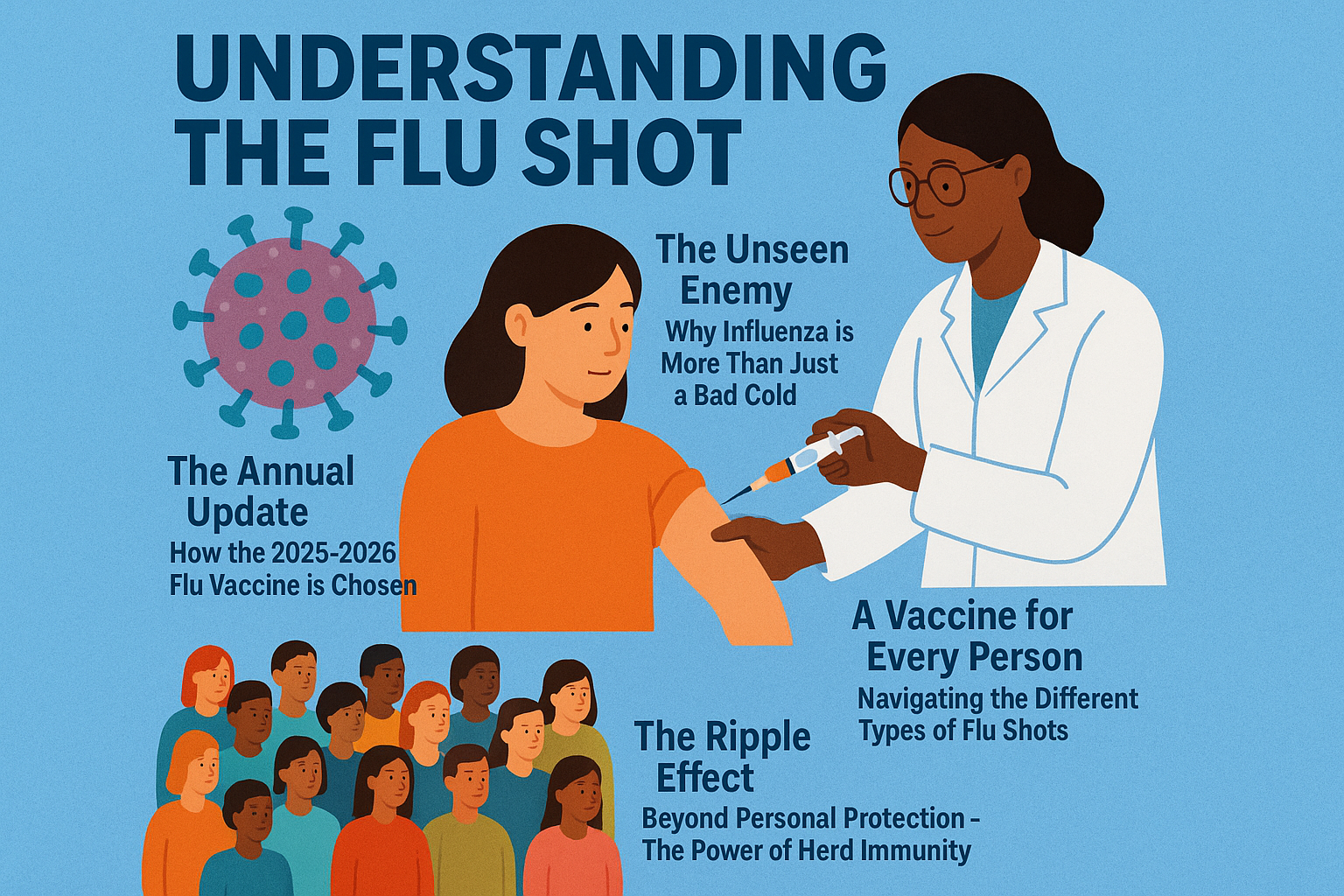
Another year, another reminder to get your flu shot. It’s a familiar autumn ritual, but how much do we truly understand about this annual health safeguard? For 2025 and beyond, the conversation around influenza vaccination is evolving faster than the virus itself. This isn’t just about “getting a shot”; it’s about understanding a critical pillar of modern preventative medicine. As a personal blogger passionate about demystifying health, I’ve dug deep into the science, the myths, and the exciting innovations to bring you a guide that goes far beyond the basics. Let’s unravel the story of the flu shot together.
The Unseen Enemy: Why Influenza is More Than Just a Bad Cold | Influenza Virus Overview
First, let’s dismantle a dangerous misconception: the flu is not a severe cold. Influenza is a contagious respiratory illness caused by influenza viruses that infect the nose, throat, and sometimes the lungs. It can lead to mild to severe illness, and at its worst, can cause hospitalization and death. The virus is notoriously slippery, thanks to two key concepts: antigenic drift and antigenic shift.
- Antigenic Drift: These are small, gradual changes in the virus’s surface proteins (Hemagglutinin and Neuraminidase) that happen continuously over time. This is the primary reason the flu vaccine is reformulated every year. Last year’s shot may not recognize this year’s slightly altered virus.
- Antigenic Shift: This is a sudden, major change in the influenza A viruses, resulting in a new, and often very different, virus. This is how influenza pandemics occur, as most people have little to no immunity against the new virus.
Understanding this viral “chameleon” nature is the first step in appreciating why the annual vaccine is so crucial.
The Annual Update: How the 2025-2026 Flu Vaccine is Chosen | World Health Organization (WHO) and CDC Collaboration
You might wonder, how do scientists decide which flu strains to include in the vaccine months before flu season even begins? It’s a global effort of astonishing precision. The World Health Organization (WHO) operates a worldwide surveillance network of over 150 national influenza centers. These labs collect and test thousands of virus samples from patients across the globe.
Twice a year, WHO experts analyze this vast data to predict which viruses are most likely to circulate in the upcoming flu season for the Northern and Southern Hemispheres. For our 2025-2026 season, this prediction was made in early 2025. Based on these recommendations, regulatory agencies like the U.S. Food and Drug Administration (FDA) make the final decision on the vaccine composition for the country. This predictive model, while not perfect, is our best defense against a constantly mutating target.
A Vaccine for Every Person: Navigating the Different Types of Flu Shots | Standard-Dose vs. Enhanced Vaccines
Walk into any pharmacy or clinic, and you might be surprised by the options. The “one-size-fits-all” approach is a thing of the past. Here’s a breakdown of the likely landscape for 2025-2026:
- Standard-Dose Quadrivalent Injectables: The most common type. They protect against four flu viruses: two influenza A and two influenza B. Most are egg-based, but egg-free versions (like cell-based and recombinant) are increasingly available.
- High-Dose Quadrivalent Vaccine: Specifically designed for adults 65 years and older. It contains four times the antigen of a standard-dose shot, prompting a stronger immune response in an aging immune system.
- Adjuvanted Quadrivalent Vaccine: Another option for seniors. It contains an adjuvant, an ingredient that creates a stronger immune response. The keyword Adjuvanted Vaccine is crucial here, as it represents a key technological advancement for vulnerable populations.
- Cell-Based Quadrivalent Vaccine: Grown in mammalian cells, not eggs. This avoids the potential for egg-adapted changes that can slightly reduce vaccine efficacy. This is a prime choice for those seeking a more precise match to the circulating viruses.
- Recombinant Quadrivalent Vaccine: The only 100% egg-free option that uses recombinant technology. It produces the virus protein in insect cells and contains three times the antigen of standard shots, also making it a strong option for seniors.
- Nasal Spray Vaccine (LAIV): A live, attenuated (weakened) vaccine given as a nasal mist. It’s approved for non-pregnant individuals, 2 through 49 years old. It’s a great needle-free alternative for eligible groups.
The Ripple Effect: Beyond Personal Protection – The Power of Herd Immunity | Community Protection Explained
Getting vaccinated is a personal choice with profound communal consequences. Herd Immunity, or community immunity, occurs when a sufficiently high percentage of a population is immune to a disease, making its spread from person to person unlikely. This provides a protective shield for those who cannot be vaccinated, such as newborns, individuals with severe life-threatening allergies to vaccine ingredients, or those with compromised immune systems (e.g., people undergoing chemotherapy). By getting your shot, you’re not just building your own fortress; you’re helping to build a protective wall around your entire community.
Innovation on the Horizon: The Next Generation of Influenza Vaccines | mRNA and Universal Flu Vaccines
The future of flu vaccination is brighter and more exciting than ever. The limitations of the annual guesswork have spurred incredible research. Two areas stand out:
- mRNA Flu Vaccines: Following the groundbreaking success of mRNA technology in COVID-19 vaccines, researchers are applying the same principles to influenza. These vaccines instruct our cells to make a protein that triggers an immune response. The potential benefits include faster production (allowing for more precise, last-minute strain selection) and potentially stronger, broader immunity. Clinical trials for 2025-2026 are ongoing, and we may see these become a reality soon.
- Universal Flu Vaccines: This is the holy grail of influenza research. Instead of targeting the variable “head” of the virus’s surface protein, a universal vaccine would target the conserved “stem” region, which mutates much more slowly. The goal is a vaccine that provides long-lasting protection against all or most influenza strains, potentially eliminating the need for an annual shot. While not yet available, progress is accelerating.
Debunking the Myths: Separating Flu Shot Fact from Fiction | Common Misconceptions Addressed
Let’s tackle the most persistent myths head-on with evidence-based facts.
- Myth: “The flu shot gave me the flu.”
- Fact: Impossible. The injectable flu vaccine is made with either inactivated (killed) viruses or a single gene from the virus, none of which can cause illness. The body’s immune response, however, can cause mild side effects like soreness, low-grade fever, or aches, which are signs the immune system is working, not the flu itself.
- Myth: “I got the shot and still got sick, so it doesn’t work.”
- Fact: Vaccine Efficacy varies each year based on how well the vaccine strains match the circulating viruses. Even with a less-than-perfect match, vaccination can reduce the severity and duration of illness, and significantly lower the risk of hospitalization and death.
- Myth: “I’m young and healthy, so I don’t need a flu shot.”
- Fact: While the elderly and immunocompromised are at higher risk for complications, healthy young adults can still experience severe flu. Furthermore, by getting vaccinated, you protect those more vulnerable around you, contributing to herd immunity.
- Myth: “I’m pregnant, so I shouldn’t get a flu shot.”
- Fact: The CDC and obstetric societies strongly recommend the flu shot for pregnant people. It protects both the mother and her baby for the first several months after birth when the infant is too young to be vaccinated.
Your Action Plan: When, Where, and How to Get Vaccinated for 2025-2026 | Influenza Immunization Schedule
- When: The ideal time is by the end of October. It takes about two weeks for antibodies to develop fully. However, getting vaccinated later is still beneficial, as flu activity can peak as late as February or beyond.
- Where: Pharmacies, primary care offices, urgent care clinics, and workplace or school health centers. Most insurance plans cover it at 100%.
- How: Simply walk in or make an appointment. Be prepared to answer basic health screening questions. Wear a short-sleeved shirt for easy access.
Conclusion: An Act of Collective Well-being
The flu shot is a testament to modern science’s proactive approach to health. It’s not a perfect tool, but it is a powerful one. For the 2025-2026 season and every season after, getting vaccinated remains one of the simplest, safest, and most effective acts of self-care and community responsibility we can perform. It’s a small jab with a massive impact. Stay informed, stay protected, and let’s all breathe a little easier this flu season.
Frequently Asked Questions (FAQs)
What is the difference between a cold and the flu?
While both are respiratory illnesses, they are caused by different viruses. The flu is typically much more severe, with a sudden onset of symptoms like high fever, body aches, and extreme fatigue, which are less common with a cold.
When should I get the flu shot for the 2025-2026 season?
Aim to get vaccinated by the end of October 2025. This ensures you are protected before flu activity typically increases.
Can I get the flu from the flu shot?
No, you cannot get the flu from the injectable flu shot. It does not contain a live virus capable of causing infection.
Why do I need a flu shot every year?
Influenza viruses change rapidly (antigenic drift). The vaccine is updated annually to match the viruses predicted to be most common, and your immunity from vaccination declines over time.
What are the common side effects of the flu shot?
Common, mild side effects include soreness, redness, or swelling at the injection site, low-grade fever, and minor aches. These usually last 1-2 days.
Who should NOT get a flu shot?
Children younger than 6 months and people with severe, life-threatening allergies to any ingredient in the vaccine (like gelatin or antibiotics) should not get vaccinated. Those with a history of Guillain-Barré Syndrome (GBS) should discuss it with their doctor.
What is a high-dose flu vaccine?
It’s a vaccine specifically for adults 65 and older that contains four times the antigen, helping to create a stronger immune response in an aging immune system.
What is a cell-based flu vaccine?
It’s a vaccine where the virus is grown in mammalian cells instead of eggs, which can lead to a more precise match to the circulating flu viruses and is also egg-free.
What is a recombinant flu vaccine?
It’s a 100% egg-free vaccine made using recombinant technology. It contains three times the antigen, making it another strong option for older adults.
Is the nasal spray vaccine as effective as the shot?
For the eligible groups (healthy, non-pregnant individuals 2-49 years), the CDC considers the nasal spray to be an acceptable option with similar effectiveness when well-matched to circulating viruses.
Are there egg-free flu vaccines?
Yes. Both the cell-based (Flucelvax) and recombinant (Flublok) vaccines are manufactured completely without eggs and are excellent alternatives for those with egg allergies.
I have an egg allergy. Can I get a flu shot?
Yes. Recommendations have changed, and most people with egg allergies can receive any licensed flu vaccine. Those with a severe allergy should be vaccinated in a medical setting under supervision.
How long does it take for the flu shot to work?
It takes approximately two weeks for the body to develop protective antibodies after vaccination.
How effective is the flu vaccine?
Vaccine Efficacy varies each year, depending on the match between the vaccine and circulating viruses. Even when effectiveness is lower, it still reduces the risk of severe outcomes.
Can the flu shot make me test positive for COVID-19?
No, a flu vaccination will not affect the results of a viral test for COVID-19.
Should I get a flu shot if I’m sick?
If you have a mild illness, like a cold, it’s usually fine. If you have a moderate to severe illness, with or without fever, it’s best to wait until you feel better.
Is it safe to get a flu shot during pregnancy?
Yes, it is not only safe but highly recommended. It protects the pregnant person, who is at higher risk for severe flu, and passes protection to the newborn.
Can I get the flu shot at the same time as other vaccines, like the COVID-19 booster?
Yes, coadministration is safe and recommended by the CDC. You can get your flu shot and other recommended vaccines, including COVID-19 and RSV, during the same visit.
What is herd immunity?
Herd Immunity is when a large part of the population is immune to a disease, making its spread unlikely and protecting those who are not immune.
Why is the flu more dangerous for older adults?
As we age, our immune system weakens, making it harder to fight off infections. This makes complications like pneumonia more likely.
What are antiviral drugs for the flu?
Antiviral Medications are prescription drugs that can treat flu illness. They are not a substitute for the vaccine but can lessen symptoms and shorten the time you are sick if started early.
What is the difference between influenza A and B?
Influenza A is more common and can cause pandemics because it can infect animals and humans. Influenza B is found only in humans and is generally less severe, but can still cause significant illness.
How does the flu virus change?
It changes through antigenic drift (small, gradual changes) and the more dramatic antigenic shift (a major change leading to a new virus).
Where can I get a free flu shot?
Many local health departments, community health centers, and pharmacies offer free flu shot events. Most insurance plans, including Medicare, cover the cost at 100%.
What is an adjuvant?
An adjuvant is an ingredient added to some vaccines to create a stronger immune response. The Adjuvanted Vaccine for seniors uses this technology.
What is Guillain-Barré Syndrome (GBS) and its link to the flu shot?
GBS is a rare neurological disorder. The risk of getting GBS after a flu shot is extremely low, much lower than the risk of severe complications from the flu itself.
Can the flu shot cause a severe allergic reaction?
Severe reactions are very rare. Signs would include difficulty breathing, swelling, and hives, and would occur within a few minutes to a few hours after the shot.
Should children get the flu shot?
Yes, the CDC recommends annual flu vaccination for all children 6 months and older. Children are often efficient spreaders of the virus and can become very sick.
How many strains of flu does the vaccine protect against?
All modern flu vaccines are quadrivalent, meaning they protect against four flu strains: two influenza A and two influenza B.
What if the vaccine doesn’t match the circulating strains?
Even with a suboptimal match, vaccination can still provide cross-protection, leading to less severe illness and a reduced risk of complications.
Can I get the flu twice in one season?
It’s possible, though rare, because there are multiple strains circulating. Infection with one strain does not guarantee immunity against others.
What is the global impact of influenza?
The WHO estimates that seasonal influenza causes 3-5 million cases of severe illness and 290,000 to 650,000 respiratory deaths globally each year.
What are the symptoms of the flu?
Sudden onset of fever/chills, cough, sore throat, runny/stuffy nose, muscle/body aches, headaches, and extreme fatigue.
How long is the flu contagious?
Most healthy adults can infect others from 1 day before symptoms develop to 5-7 days after becoming sick.
What is the best way to prevent the flu besides the vaccine?
Frequent handwashing with soap and water, avoiding close contact with sick people, and avoiding touching your eyes, nose, and mouth.
How is the flu vaccine made?
It is primarily made using egg-based, cell-based, or recombinant manufacturing processes.
What is a universal flu vaccine?
A vaccine currently in development that would provide long-lasting protection against a wide variety of influenza strains, potentially eliminating the need for an annual shot.
What is the cost of a flu shot without insurance?
The cost can vary but typically ranges from $40 to $70. Many providers offer discounts or payment plans, and free options are often available.
Can the flu shot interact with my medications?
The flu shot has few known drug interactions. Always discuss your medications with your healthcare provider or pharmacist before vaccination.
What should I do if I experience side effects?
Mild side effects can be managed with rest, fluids, and over-the-counter pain relievers like acetaminophen or ibuprofen. Contact your doctor if you have concerns.