
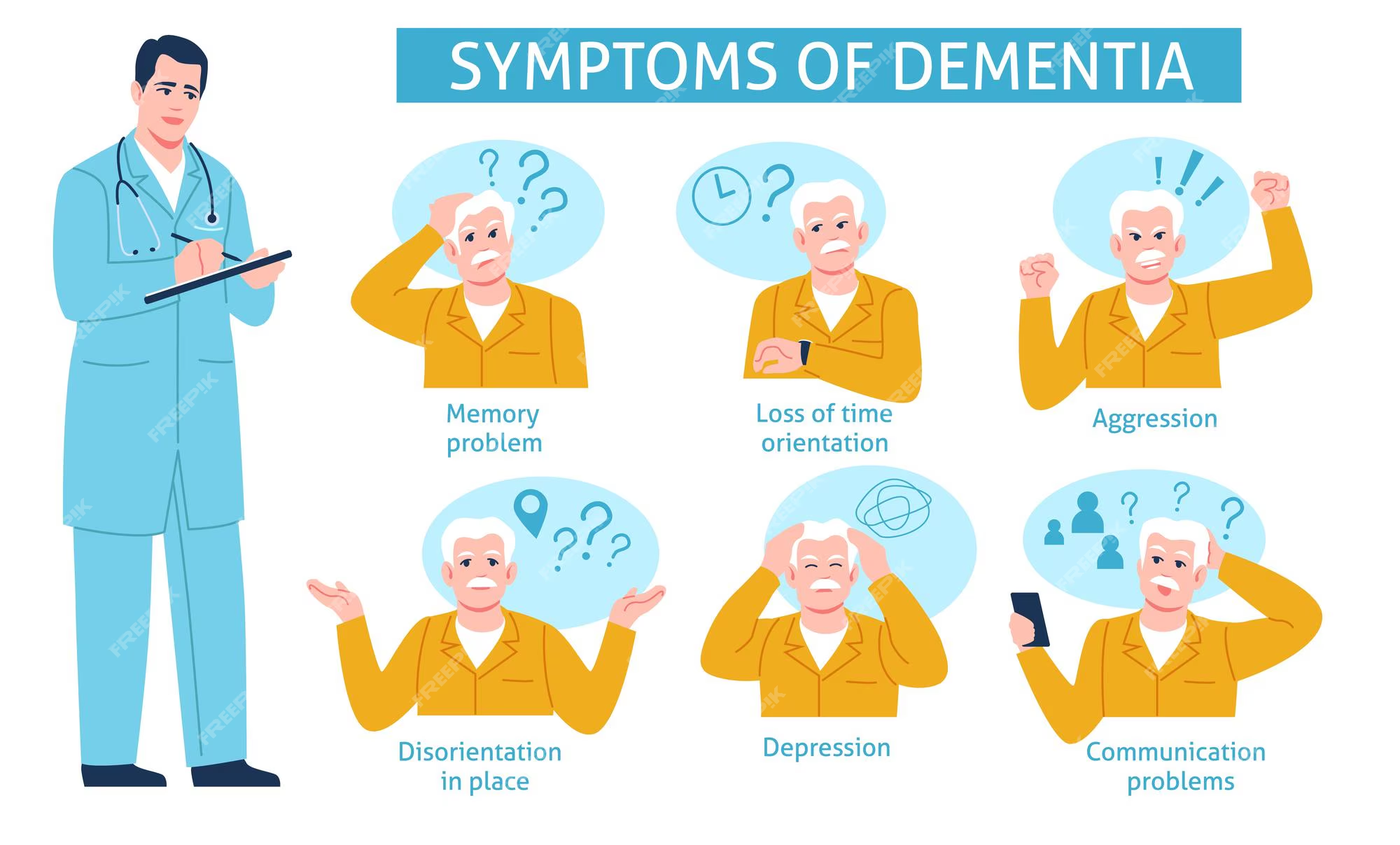
Introduction | The Hidden Dangers of Sitting Too Much
We’ve long known that a sedentary lifestyle harms physical health—linked to obesity, heart disease, and diabetes. But emerging research reveals a scarier truth: sitting too much may increase Alzheimer’s risk, even if you exercise regularly.
A 2023 study published in JAMA Neurology found that adults who sat for 10+ hours daily had significantly higher risks of dementia, regardless of workout habits. This article dives into:
The science behind sitting and Alzheimer’s
Why exercise alone isn’t enough
Practical ways to reduce sedentary time
How Prolonged Sitting Affects Brain Health | The Alzheimer’s Connection
1. Reduced Blood Flow to the Brain
Sitting for long periods slows circulation, decreasing oxygen and nutrient delivery to the brain—critical for cognitive function.
2. Increased Inflammation
Sedentary behavior raises inflammatory markers (like C-reactive protein), which are linked to brain atrophy and Alzheimer’s.
3. Insulin Resistance & Brain Glucose Metabolism
Sitting impairs insulin sensitivity, disrupting brain energy use. Alzheimer’s is sometimes called “Type 3 Diabetes” due to this metabolic link.
4. Shrinking of the Medial Temporal Lobe
A 2018 study found that sedentary adults had thinner brain regions responsible for memory—similar to early Alzheimer’s changes.
Why Exercise Alone Isn’t Enough
Even if you work out for an hour daily, prolonged sitting undoes some benefits. Key findings:
Sedentary time independently predicts dementia risk (Journal of Alzheimer’s Disease).
Interrupting sitting every 30 minutes improves cognition (British Journal of Sports Medicine).
How to Combat Sitting-Related Alzheimer’s Risk
1. Move Every 30 Minutes
Set a timer to stand, stretch, or walk for 2–3 minutes.
2. Try “Active Sitting”
Use a balance ball chair or fidget to engage muscles.
3. Walk More Daily
Aim for 8,000–10,000 steps (not just gym workouts).
4. Stand During Tasks
Use a standing desk for calls, emails, or TV time.
5. Strength Training for Brain Health
Resistance exercise boosts BDNF, a protein that supports neuron growth.
FAQs: Sitting, Exercise, and Alzheimer’s Risk
Does sitting too much really cause Alzheimer’s?
It increases risk by reducing blood flow, promoting inflammation, and affecting brain structure.
How many hours of sitting is dangerous?
Over 8–10 daily hours is linked to higher dementia risk.
Can exercise offset sitting’s effects?
Exercise helps but doesn’t fully cancel out prolonged sitting’s harm.
What’s the best sitting-to-standing ratio?
Aim for 1:1 or 2:1 (e.g., stand 5 mins every 10–15 mins of sitting).
Does fidgeting count as movement?
Yes! Small movements improve circulation compared to complete stillness.
What’s the biological link between sitting and Alzheimer’s?
Prolonged sitting reduces brain-derived neurotrophic factor (BDNF), a protein crucial for neuron growth and cognitive function.
Does sitting position affect dementia risk?
Slouching may worsen circulation to the brain compared to upright sitting, but any prolonged sitting increases risk.
Are certain jobs higher risk for cognitive decline?
Office workers, truck drivers, and other sedentary professions show higher dementia rates in long-term studies.
Can standing desks prevent Alzheimer’s?
While not a cure, standing desks help reduce sedentary time and may lower risk when used consistently.
How quickly can sedentary habits affect the brain?
MRI scans show brain structure changes can begin within just 6 months of prolonged sitting.
Is TV watching worse than computer work?
Passive TV watching may be slightly worse due to complete mental and physical inactivity, but both carry risks.
Does napping count as harmful sitting time?
Short naps (20-30 mins) may benefit cognition, but prolonged daytime sleeping could indicate problems.
What are the first signs of sitting-related cognitive decline?
Early signs include memory lapses, slower processing speed, and difficulty concentrating after sedentary days.
Can brain scans detect sitting-related damage?
Yes, MRIs can show reduced volume in memory-related areas like the hippocampus from chronic sitting.
Does walking after meals help offset sitting risks?
Yes! A 10-minute post-meal walk improves circulation and glucose metabolism in the brain.
Are active video games beneficial?
Games requiring movement (like VR fitness or dance games) provide cognitive benefits over passive sitting.
How does sitting affect sleep and brain health?
Sedentary lifestyles disrupt sleep quality, which accelerates amyloid plaque buildup (an Alzheimer’s marker).
Can yoga reverse sitting damage?
Yoga improves circulation and may help counteract some negative effects of prolonged sitting.
Does caffeine help counteract sitting effects?
While caffeine boosts alertness, it doesn’t replace the need for physical movement and blood flow.
Are compression socks helpful for sitters?
They improve leg circulation but don’t address reduced blood flow to the brain from sitting.
Can standing too much also be harmful?
Excessive standing (without movement) strains circulation differently – the key is regular position changes.
Does age affect sitting’s brain impact?
Middle-aged and older adults show more pronounced cognitive effects from sitting than younger people.
Can diet reduce sitting-related dementia risk?
Anti-inflammatory diets (rich in omega-3s, berries) may help but can’t eliminate sitting risks.
Do brain-training apps help sitters?
They provide mental stimulation but don’t compensate for reduced blood flow from physical inactivity.
How does sitting affect stress and dementia risk?
Sedentary behavior increases cortisol, which may accelerate brain aging when chronic.
Are treadmill desks effective?
Yes – even slow walking (1-2 mph) while working significantly improves brain circulation.
Can massage help counteract sitting effects?
While relaxing, it doesn’t provide the same cognitive benefits as active movement.
Does alcohol worsen sitting’s brain effects?
Yes – alcohol combined with sedentary behavior compounds dementia risk factors.
Are there genetic factors in sitting risks?
APOE4 carriers may be more vulnerable to sitting-related cognitive decline.
Can pets help reduce sitting time?
Dog owners tend to sit less due to walking requirements, lowering dementia risk.
Does sitting affect men and women differently?
Some studies suggest women’s cognition may be slightly more impacted by prolonged sitting.
Can meditation offset sitting risks?
While beneficial for stress, it doesn’t address the physical circulation issues of sitting.
Are foot peddlers under desks helpful?
They provide some movement benefit but standing/walking breaks are more effective.
Does chewing gum help sitters?
Some studies show mild cognitive benefits from chewing, but movement is better.
Can cold showers counteract sitting effects?
They may temporarily boost circulation but don’t replace regular movement.
Does socializing while sitting help?
Social interaction benefits brain health but should be combined with movement.
Are there sitting exercises for small spaces?
Seated leg lifts, torso twists, and shoulder rolls help when standing isn’t possible.
Can breathing exercises help?
Diaphragmatic breathing improves oxygen flow but doesn’t replace physical activity.
Does sitting affect creativity?
Studies show people generate more creative ideas when walking versus sitting.
Can music reduce sitting’s cognitive harm?
Upbeat music may motivate movement but doesn’t directly counteract sitting effects.
Are there apps to remind me to move?
Stand Up! and BreakTimer are popular apps that prompt regular movement breaks.
Does sitting affect medication effectiveness?
Sedentary lifestyles may reduce the effectiveness of some dementia medications.
Can gardening count as anti-sitting activity?
Yes – gardening combines movement, mental engagement, and often sunlight (vitamin D).
Does sitting worsen existing dementia?
For those with early Alzheimer’s, reducing sitting time may help slow progression.
Are there sitting risks for children’s brains?
Excessive sitting may affect developing brains, though research is ongoing.
Can volunteering reduce sitting risks?
Active volunteering (food banks, community cleanups) provides movement and social benefits.
Does weather affect sitting habits?
People tend to sit more in extreme heat/cold – find indoor movement alternatives.
Can vision problems relate to sitting?
Prolonged screen time from sitting may strain eyes, indirectly affecting cognition.
Conclusion | Stand Up for Your Brain
Sitting is the new smoking for brain health. Even active individuals must break up sedentary time to protect against Alzheimer’s. Start today—your future brain will thank you!