
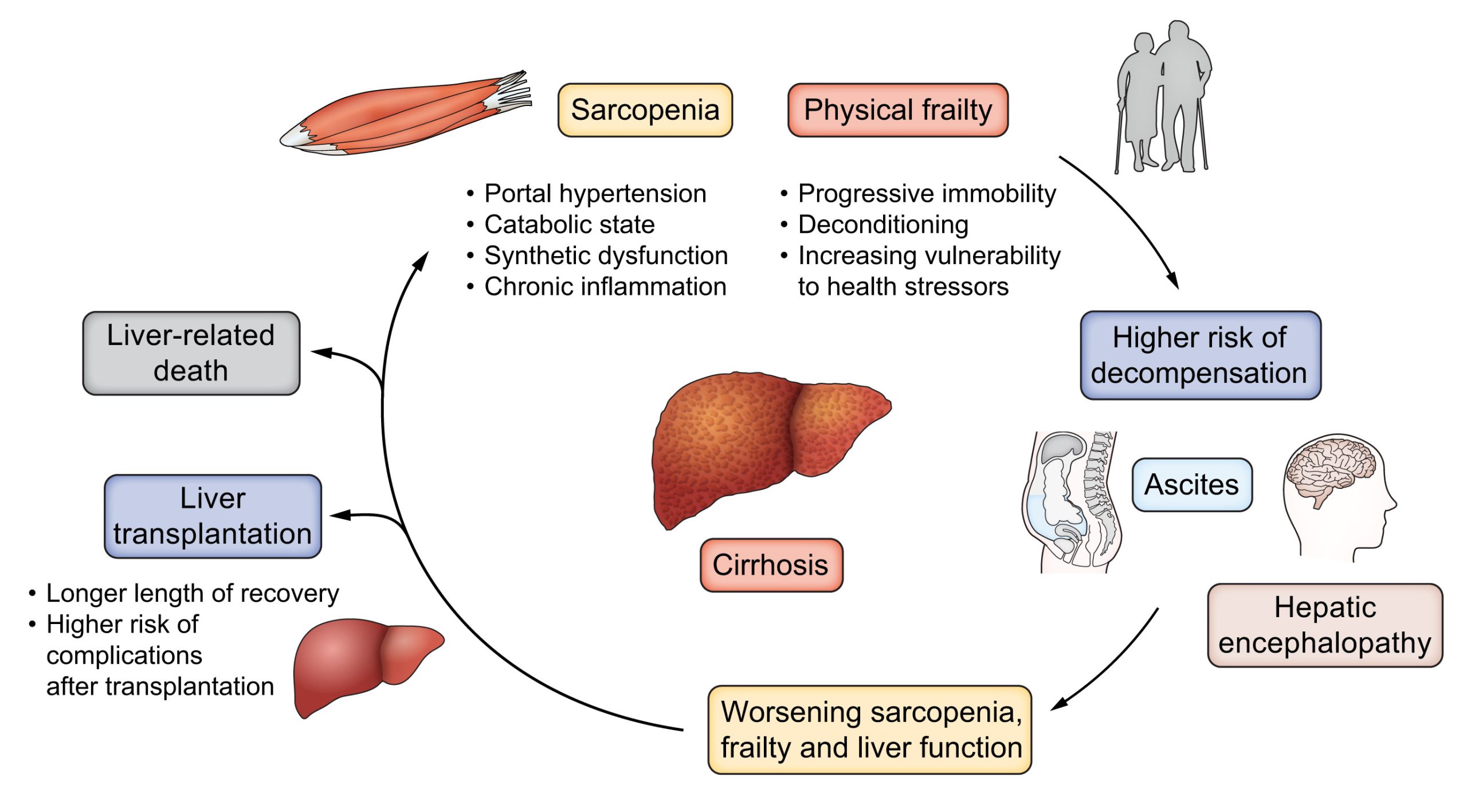
Introduction | What Is Liver Frailty?
Liver frailty refers to a state of decreased physical and metabolic resilience in individuals with chronic liver disease. It is often linked to cirrhosis, where the liver’s function deteriorates, leading to muscle wasting, fatigue, and increased vulnerability to infections. Understanding liver frailty is crucial because it significantly impacts survival rates and quality of life.
This article explores liver frailty in detail, covering its causes, symptoms, diagnosis, and how long someone can survive with this condition. We’ll also discuss preventive measures and treatment options to improve liver health.
What Causes Liver Frailty? | Key Factors Behind Liver Function Decline
Liver frailty typically arises due to long-term liver damage. The primary causes include:
Chronic Liver Diseases – Conditions like cirrhosis, hepatitis B & C, and non-alcoholic fatty liver disease (NAFLD) contribute to liver frailty.
Alcohol Abuse – Excessive alcohol consumption accelerates liver damage, leading to frailty.
Malnutrition – Liver patients often suffer from protein deficiency, worsening muscle loss.
Metabolic Disorders – Diabetes and obesity increase the risk of liver frailty.
Aging – Older adults with liver disease are more prone to frailty due to natural muscle decline.
Understanding these causes helps in early detection and management.
Symptoms of Liver Frailty | How to Recognize Declining Liver Health
Liver frailty manifests through various physical and metabolic symptoms, such as:
Severe Fatigue – Persistent tiredness despite adequate rest.
Muscle Wasting – Noticeable loss of muscle mass and strength.
Weight Loss – Unintentional weight reduction due to poor nutrient absorption.
Cognitive Impairment – Confusion or memory issues (hepatic encephalopathy).
Increased Infections – Weakened immunity leading to frequent illnesses.
If these symptoms appear, consult a hepatologist immediately.
Diagnosing Liver Frailty | Medical Tests and Assessments
Doctors use several methods to diagnose liver frailty:
Blood Tests – Check liver enzymes (ALT, AST), bilirubin, and albumin levels.
Imaging Scans – Ultrasound, CT, or MRI to assess liver damage.
Liver Biopsy – A tissue sample helps determine fibrosis or cirrhosis severity.
Frailty Assessment Tools – Tests like the Liver Frailty Index (LFI) evaluate physical strength and endurance.
Early diagnosis improves treatment outcomes.
How Long Can Someone Survive With Liver Frailty? | Survival Rates and Prognosis
Survival with liver frailty depends on:
Disease Stage – Early-stage cirrhosis patients live longer than those with end-stage liver disease.
Underlying Conditions – Diabetes or heart disease can shorten lifespan.
Treatment Adherence – Proper diet, medications, and avoiding alcohol improve survival.
Average Survival Rates:
Compensated Cirrhosis – 10+ years with proper care.
Decompensated Cirrhosis – 2-5 years without a transplant.
Acute Liver Failure – Weeks to months if untreated.
A liver transplant can significantly extend life expectancy.
Managing Liver Frailty | Treatment and Lifestyle Changes
Improving liver health involves:
Medications – Diuretics, beta-blockers, and lactulose for symptom control.
Nutritional Support – High-protein, low-sodium diets prevent muscle loss.
Exercise – Light resistance training maintains muscle strength.
Avoiding Toxins – No alcohol or hepatotoxic drugs.
Regular Monitoring – Frequent check-ups to track liver function.
Preventing Liver Frailty | How to Maintain Optimal Liver Health
Preventive measures include:
Vaccinations – Hepatitis A & B vaccines reduce infection risks.
Healthy Diet – Mediterranean diet supports liver function.
Weight Management – Prevents fatty liver disease.
Moderate Alcohol – Limiting intake protects liver cells.
FAQs About Liver Frailty and Liver Health
What is the Liver Frailty Index (LFI)?
The LFI is a clinical tool that assesses grip strength, chair stands, and balance to quantify frailty in cirrhosis patients.
How does malnutrition contribute to liver frailty?
Protein-calorie malnutrition accelerates muscle wasting, weakening the body’s ability to cope with liver disease complications.
Can hepatitis B or C lead to liver frailty?
Yes, chronic hepatitis infections cause progressive liver damage, increasing frailty risk over time.
What role does albumin play in liver frailty?
Low albumin (a liver-produced protein) indicates poor liver function and correlates with frailty severity.
Is liver frailty common in non-alcoholic fatty liver disease (NAFLD)?
Advanced NAFLD (especially NASH with cirrhosis) can lead to frailty, though it’s less common than in alcohol-related disease.
How quickly does liver frailty progress?
Progression varies; decompensated cirrhosis patients may develop frailty within months without intervention.
Can supplements help manage liver frailty?
Branch-chain amino acids (BCAAs), vitamin D, and omega-3s may support muscle retention and liver function (consult a doctor first).
Does liver frailty increase hospitalization risks?
Yes, frail patients face higher risks of infections, falls, and prolonged hospital stays.
What’s the connection between hepatic encephalopathy and frailty?
Both stem from liver dysfunction—encephalopathy affects cognition, while frailty impacts physical resilience.
Are there stages of liver frailty?
While not formally staged, frailty severity is measured via tools like LFI (mild, moderate, or severe impairment).
Can diabetes worsen liver frailty?
Yes, diabetes accelerates muscle loss and complicates liver disease management.
What’s the best diet for liver frailty patients?
High-protein (plant/lean animal sources), low-salt, and antioxidant-rich diets (e.g., leafy greens, berries) are ideal.
How does alcohol abstinence impact frailty?
Stopping alcohol can halt further liver damage, allowing limited functional recovery.
Is liver frailty reversible after a transplant?
Yes, transplant recipients often regain strength as liver function normalizes.
Can physical therapy benefit frail liver patients?
Supervised PT improves mobility, balance, and muscle mass—key for frailty management.
What’s the mortality rate for frail liver patients?
5-year survival drops below 30% in severe frailty without transplant (vs. 60–80% with early care).
Does obesity protect against liver frailty?
No—obesity exacerbates metabolic strain, though sarcopenic obesity (fat with muscle loss) is riskier.
How does ascites relate to frailty?
Fluid retention (ascites) strains the body, worsening fatigue and malnutrition.
Can frailty affect transplant eligibility?
Severe frailty may disqualify patients; pre-habilitation (nutrition/exercise) improves candidacy.
What’s sarcopenia’s role in liver frailty?
Sarcopenia (muscle wasting) is a core component of frailty in liver disease.
Are frailty and disability the same in liver patients?
No—frailty precedes disability, marking vulnerability before total functional decline.
Can probiotics help liver frailty?
Emerging research suggests gut-health support may reduce inflammation and ammonia levels.
How often should liver frailty be monitored?
Every 3–6 months for stable patients; monthly during decompensated phases.
Does frailty affect medication metabolism?
Yes, impaired liver function alters drug processing, requiring dosage adjustments.
Can stress accelerate liver frailty?
Chronic stress worsens inflammation and muscle breakdown, compounding frailty.
Is liver frailty more common in men or women?
Men face higher cirrhosis rates, but women progress faster to frailty due to body composition differences.
What’s the link between osteoporosis and liver frailty?
Both stem from malnutrition and vitamin D deficiency, increasing fracture risks.
Can acupuncture or yoga help frail liver patients?
Gentle yoga improves balance; acupuncture may reduce pain (evidence is limited).
Does frailty affect mental health in liver patients?
Yes—depression/anxiety are common due to physical decline and chronic illness.
Can intermittent fasting benefit liver frailty?
Not recommended—regular, protein-rich meals are crucial to prevent muscle loss.
What’s the impact of smoking on liver frailty?
Smoking accelerates liver damage and cardiovascular strain, worsening frailty.
Are there clinical trials for liver frailty treatments?
Trials often focus on BCAA supplements, myostatin inhibitors, and exercise regimens.
How does sleep quality affect liver frailty?
Poor sleep disrupts metabolism and recovery, exacerbating fatigue and weakness.
Can herbal remedies (e.g., milk thistle) reverse frailty?
No strong evidence supports reversal—use only with medical approval to avoid liver toxicity.
What’s the youngest age for liver frailty onset?
Rare under 40, but possible with aggressive cirrhosis (e.g., genetic disorders).
Does frailty increase post-surgery complications?
Yes—higher risks of infections, delayed healing, and mortality after procedures.
Can a vegan diet prevent liver frailty?
If properly balanced (adequate protein/B12), it may help, but monitor nutrient levels closely.
How does frailty affect driving ability?
Cognitive/motor impairments may necessitate license restrictions for safety.
Conclusion | Taking Control of Liver Health
Liver frailty is a serious but manageable condition. Early detection, lifestyle changes, and medical care can enhance survival and quality of life. Prioritize liver health today to prevent long-term complications.
Would you like any refinements or additional details on specific sections?