
Introduction
For decades, butter was a kitchen staple, but recent research suggests that [less butter, more plant oils] may be the key to a longer, healthier life. With heart disease and obesity on the rise, understanding which fats benefit our health is crucial. This 3000-word guide explores the science behind butter and plant oils, their effects on longevity, and how to make the best dietary choices.
Butter vs. Plant Oils | The Great Fat Debate
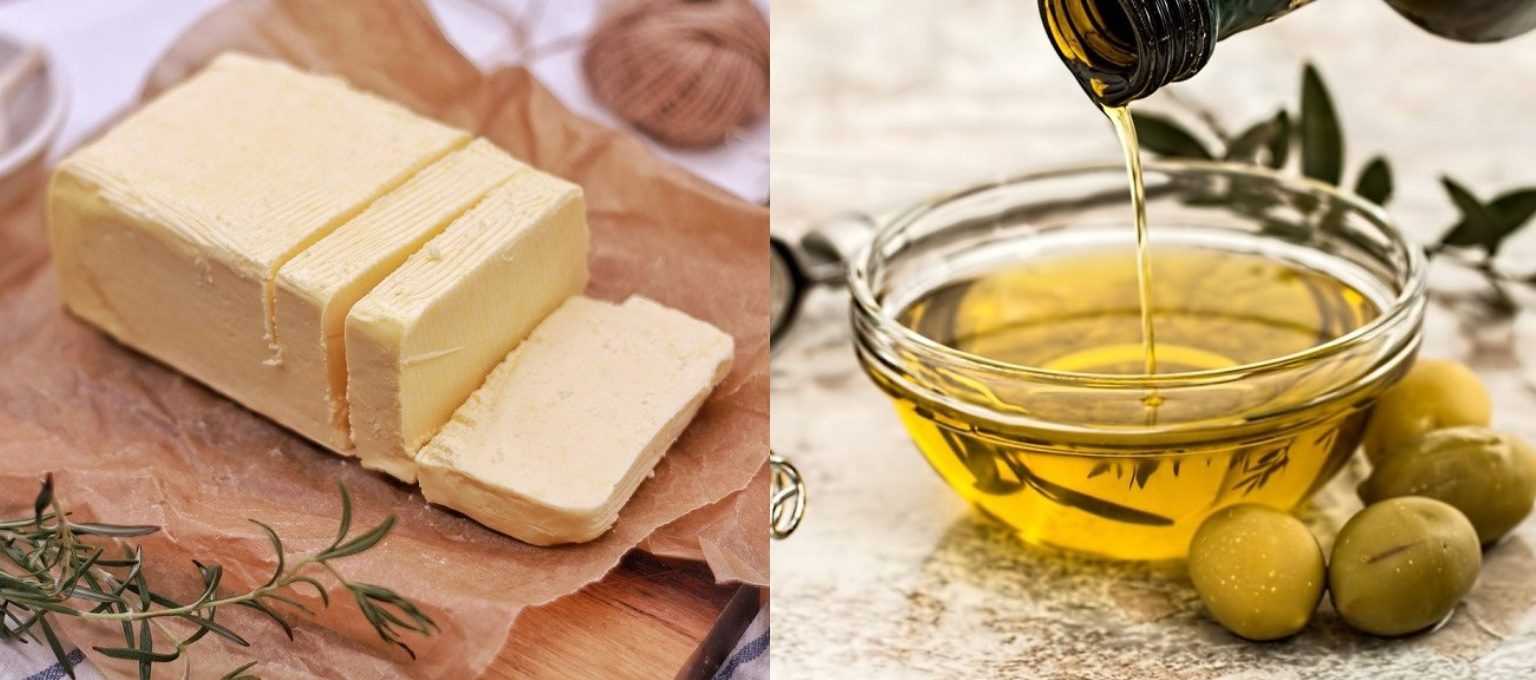
The battle between butter and plant oils comes down to their fat composition:
Butter (Saturated Fats)
High in saturated fats (linked to higher LDL cholesterol)
Contains vitamins A, D, E, K2
Traditional cooking fat, but controversial
Plant Oils (Unsaturated Fats)
Rich in monounsaturated & polyunsaturated fats (heart-healthy)
Includes olive oil, avocado oil, canola oil
Linked to lower heart disease risk
The Science Behind Fats & Longevity
Research shows that replacing saturated fats (butter) with unsaturated fats (plant oils) can:
✅ Lower bad cholesterol (LDL)
✅ Reduce heart disease risk
✅ Improve insulin sensitivity
✅ Decrease inflammation
Key Studies:
Harvard Study (2016): Replacing 5% of saturated fats with plant oils reduced heart disease risk by 25%.
PREDIMED Trial: Mediterranean diet (rich in olive oil) lowered heart attacks by 30%.
Best Plant Oils for a Longer Life
Not all plant oils are equal. Here are the top choices:
1. Extra Virgin Olive Oil (EVOO)
Rich in antioxidants & polyphenols
Supports brain health
Staple of the Mediterranean diet
2. Avocado Oil
High smoke point (great for cooking)
Boosts nutrient absorption
3. Canola Oil
Low in saturated fat
Affordable & versatile
4. Flaxseed Oil
High in omega-3s (anti-inflammatory)
Best for dressings (not cooking)
Is Butter Really That Bad?
Butter isn’t all evil—it has some benefits:
✔ Contains butyrate (supports gut health)
✔ Natural source of fat-soluble vitamins
✔ Adds flavor to foods
But moderation is key! The American Heart Association recommends limiting saturated fats to 5-6% of daily calories (about 13g for a 2,000-calorie diet).
How to Transition to More Plant Oils
Switching from butter to plant oils is easier than you think:
Use olive oil for sautéing instead of butter
Replace butter in baking with avocado oil
Drizzle flaxseed oil on salads
Choose nut butters over butter on toast
Common Myths About Fats
Myth 1: “All Saturated Fats Are Bad”
Reality: Some (like coconut oil) may have neutral effects, but plant oils are still healthier.
Myth 2: “Vegetable Oils Cause Inflammation”
Reality: Only highly processed oils (like soybean oil) may be problematic. Cold-pressed oils are anti-inflammatory.
Myth 3: “Butter Is Natural, So It’s Better”
Reality: Natural doesn’t always mean healthier—plant oils have proven heart benefits.
FAQs About Butter, Plant Oils & Longevity
1. Is butter unhealthy?
Butter is high in saturated fats, which may raise LDL cholesterol. Moderation is key.
2. Which plant oil is the healthiest?
Extra virgin olive oil is considered one of the best due to its antioxidants.
3. Can I cook with olive oil?
Yes! EVOO has a moderate smoke point (safe for sautéing).
4. Does coconut oil count as a plant oil?
Yes, but it’s high in saturated fat—use sparingly.
5. Will switching to plant oils help me lose weight?
It can, since plant oils support metabolism and reduce inflammation.
6. How much butter is safe per day?
About 1-2 teaspoons (5-10g) to stay within saturated fat limits.
7. Is margarine better than butter?
No—many margarines contain trans fats. Opt for plant oils instead.
8. Does avocado oil taste like avocado?
No, it has a neutral flavor, making it great for cooking.
9. Can I use flaxseed oil for frying?
No—it has a low smoke point. Use it raw in dressings.
10. Are seed oils unhealthy?
Not all—cold-pressed versions (like sunflower oil) are fine, but avoid highly processed ones.
11. What’s the smoke point of avocado oil?
Avocado oil has a high smoke point of about 520°F (270°C), making it excellent for high-heat cooking.
12. Can olive oil help prevent heart disease?
Yes, studies show the polyphenols in extra virgin olive oil can reduce inflammation and improve heart health.
13. Is ghee healthier than butter?
Ghee has less lactose but similar saturated fat content. It’s not necessarily healthier, though it has a higher smoke point.
14. What’s the best oil for salad dressings?
Extra virgin olive oil and flaxseed oil are ideal for dressings due to their flavor and nutrient profiles.
15. Does heating plant oils destroy their nutrients?
Some heat-sensitive nutrients (like omega-3s in flaxseed) degrade with high heat, but most oils retain benefits when used properly.
16. Are omega-6 fats in plant oils harmful?
In moderation, no. The problem arises when omega-6 intake vastly exceeds omega-3s (aim for 4:1 ratio or better).
17. Can plant oils go rancid?
Yes, especially those high in polyunsaturated fats. Store them in dark, cool places and check expiration dates.
18. What’s the healthiest way to consume butter?
In small amounts (1-2 tsp daily), preferably from grass-fed sources which have more omega-3s and vitamin K2.
19. Is canola oil genetically modified?
Most conventional canola oil comes from GMO crops, but organic versions are non-GMO.
20. Does olive oil lose benefits when cooked?
Some antioxidants diminish, but it remains healthier than butter for cooking at moderate temperatures.
21. What oil do cardiologists recommend?
Most recommend extra virgin olive oil as the primary cooking fat due to its proven cardiovascular benefits.
22. Is palm oil a healthy alternative?
Controversial – while plant-based, its high saturated fat content and environmental impact make it less ideal.
23. Can I mix butter and olive oil?
Yes, this creates a healthier fat blend with more flavor than plain oil and less saturated fat than pure butter.
24. What oil is best for deep frying?
Avocado or peanut oil are best for deep frying due to their high smoke points and stability.
25. Does butter cause inflammation?
The saturated fats in butter may promote inflammation, unlike anti-inflammatory plant oils.
26. Is sesame oil healthy?
Yes, especially unrefined sesame oil which contains antioxidants like sesamin and sesamol.
27. What’s the worst cooking oil?
Partially hydrogenated oils (trans fats) are the worst, followed by highly refined seed oils like cottonseed oil.
28. Can oils help absorb vitamins?
Yes, the fats in oils help absorb fat-soluble vitamins (A, D, E, K) from foods.
29. Is coconut oil good for the brain?
Some evidence suggests its MCTs may support brain function, but research is limited compared to olive oil’s proven benefits.
30. What oil is closest to butter flavor?
For buttery flavor without dairy, try avocado oil or clarified coconut oil.
31. How do I know if my olive oil is real?
Look for harvest date, “extra virgin” certification, and a peppery aftertaste (sign of polyphenols).
32. Can oils help with dry skin?
Some oils like olive and avocado can moisturize when consumed or applied topically.
33. What’s the best oil for hormone health?
Olive oil and flaxseed oil support hormone balance due to their healthy fat profiles.
34. Are nut oils healthy?
Yes, almond and walnut oils are nutritious but expensive and best used raw due to low smoke points.
35. Does butter raise blood sugar?
Not directly, but high saturated fat intake may worsen insulin resistance over time.
36. What oil is best for gut health?
Olive oil supports gut microbiome diversity and provides anti-inflammatory benefits.
37. Can I reuse cooking oil?
Only once or twice if filtered properly, but repeated reheating creates harmful compounds.
38. What oil did centenarians use?
Blue zone populations primarily use extra virgin olive oil as their main fat source.
39. Is grapeseed oil healthy?
It’s high in omega-6s, so use in moderation alongside omega-3-rich oils.
40. How much oil should I consume daily?
About 2-4 tablespoons total from healthy sources, adjusted for your calorie needs.
Conclusion
The evidence is clear: less butter, more plant oils can lead to a longer, healthier life. While butter has its place, plant oils like olive, avocado, and flaxseed offer superior heart and longevity benefits. Making small swaps in your diet today can lead to big health rewards tomorrow.