
Introduction
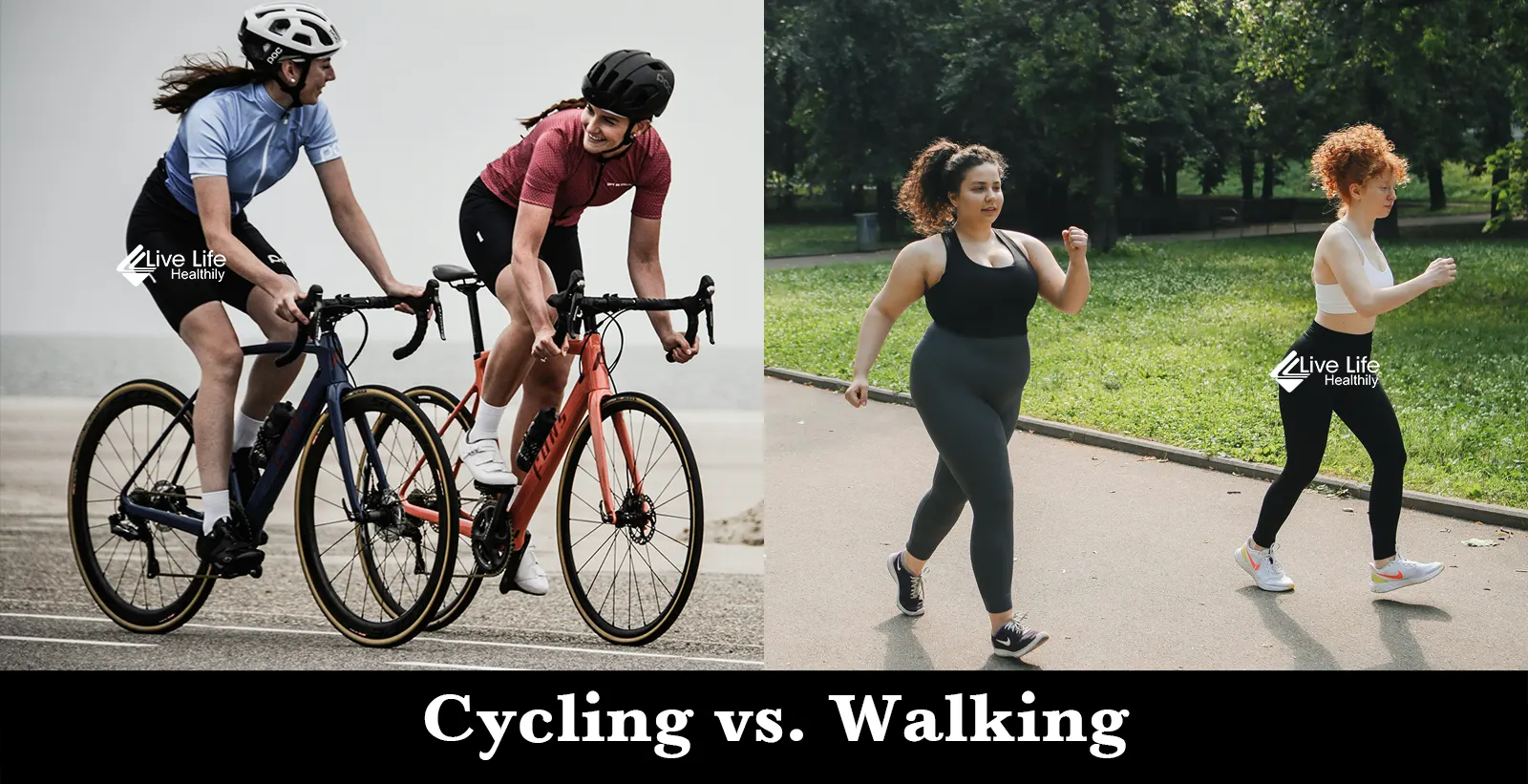
Stubborn belly fat is notoriously hard to lose, and while diet plays a key role, exercise accelerates results. But between cycling and walking, which burns more belly fat? This 3,000-word guide examines calorie burn, fat loss mechanisms, muscle engagement, and scientific studies to reveal the most effective option for flattening your stomach.
Cycling vs Walking | Key Differences for Fat Loss
| Factor | Cycling | Walking |
| Calories Burned | 400–1000 kcal/hour (vigorous cycling) | 240–450 kcal/hour (brisk walking) |
| Belly Fat Impact | High (engages core + HIIT potential) | Moderate (better for beginners) |
| Muscles Worked | Quads, glutes, hamstrings, core | Glutes, calves, core |
| Joint Impact | Low (knee-friendly) | Moderate (depends on surface) |
How Cycling Burns Belly Fat (Science Explained)
1. Higher Calorie Burn
Cycling at 15–20 mph burns 600–1000 kcal/hour, creating a significant calorie deficit needed for fat loss.
2. HIIT Potential
Interval cycling (30-sec sprints + 1-min rest) boosts metabolism for 24+ hours, enhancing belly fat oxidation.
3. Core Engagement
Uphill cycling activates obliques and lower abs more than walking, helping tone the midsection.
Study: A 12-week cycling program reduced visceral fat by 7% in overweight adults (Journal of Obesity, 2018).
How Walking Burns Belly Fat (Science Explained)
1. Sustainable for Beginners
Brisk walking (3.5–4.5 mph) burns 250–400 kcal/hour and is easier to maintain daily.
2. Targets Visceral Fat
Studies show 12,000+ steps/day significantly reduces dangerous belly fat (Harvard Health, 2020).
3. Low Stress Hormones
Walking lowers cortisol (linked to belly fat storage), unlike intense cycling which may spike it temporarily.
Pro Tip: Incline walking (5–10% gradient) doubles calorie burn vs flat surfaces.
Which is Better for Belly Fat? (Final Verdict)
For Fast Fat Loss: Cycling (especially HIIT) wins for higher calorie burn.
For Long-Term Adherence: Walking is more sustainable for consistent fat loss.
Best Combo: Alternate cycling (3x/week) + daily walking (10,000 steps) for optimal results.
Maximizing Belly Fat Loss: Pro Tips
Cycling Tips
✔ Add 2–3 HIIT sessions weekly
✔ Use hill climbs to engage core
✔ Maintain 70–80% max heart rate
Walking Tips
✔ Use Nordic poles to burn 20% more calories
✔ Walk fast enough to breathe heavily (but not gasp)
✔ Morning walks on empty stomach may enhance fat burning
FAQs: Cycling vs Walking for Belly Fat
1. Which burns more belly fat: cycling or walking?
Cycling typically burns more calories per session (400-1000 kcal/hour vs 240-450 for walking), making it better for rapid fat loss, but walking is more sustainable long-term.
2. How long should I cycle daily to lose belly fat?
Aim for 45-60 minutes of moderate cycling (12-14 mph) or 20-30 minutes of HIIT cycling 3-5 times weekly for optimal belly fat reduction.
3. Is walking or cycling better for obese beginners?
Walking is gentler on joints for beginners, while cycling becomes better as fitness improves. Start with 20-30 minute walks, then transition to cycling.
4. Can I lose belly fat just by walking?
Yes – studies show walking 10,000+ steps daily can reduce visceral fat by 2-3% monthly when combined with proper nutrition.
5. What’s better for belly fat: outdoor or indoor cycling?
Outdoor cycling engages more core muscles for balance, but indoor cycling (especially spin classes) allows better intensity control for fat burning.
6. Should I walk on an empty stomach for belly fat loss?
Morning fasted walking may increase fat oxidation by 10-20%, but stay hydrated and keep sessions under 45 minutes to prevent muscle loss.
7. Does cycling give you abs?
Cycling strengthens core muscles but won’t reveal abs without overall fat loss. Combine cycling with strength training for defined abs.
8. How steep should my walking incline be for max fat burn?
A 5-10% incline increases calorie burn by 30-50% compared to flat walking, making it ideal for belly fat loss.
9. Which activates more core muscles: cycling or walking?
Cycling uphill or out of the saddle engages more core muscles, while walking activates deeper stabilizer muscles with proper posture.
10. Can I alternate cycling and walking days?
Absolutely – this “cross-training” approach prevents plateaus and combines cycling’s intensity with walking’s fat-burning endurance benefits.
11. Does cycling reduce love handles?
Yes – the twisting motion in cycling helps target oblique muscles, and overall fat loss will reduce love handles over time.
12. How many steps equal 30 minutes of cycling?
Approximately 5,000 brisk steps (about 2.5 miles) equals 30 minutes of moderate cycling (12-14 mph) in calorie expenditure.
13. Is cycling or walking better for post-pregnancy belly fat?
Walking is safer initially, then gradually add cycling after 6-8 weeks (with doctor’s approval) as core strength returns.
14. Which is better for belly fat after menopause?
Walking may be more effective post-menopause as it helps regulate cortisol levels that contribute to abdominal fat storage.
15. Does cycling flatten your stomach faster than walking?
Yes – the higher calorie burn and HIIT potential of cycling typically produces faster visible stomach flattening (8-12 weeks vs 12-16 with walking).
16. Should seniors choose walking or cycling for belly fat?
Low-impact walking is generally safer, but stationary cycling works well for seniors with good balance and joint mobility.
17. Which is better for insulin resistance and belly fat?
Both help, but cycling’s higher intensity may improve insulin sensitivity slightly faster according to diabetes research.
18. Can I lose belly fat with just 30 minutes of cycling daily?
Yes – 30 minutes of vigorous cycling (15+ mph) can burn 300-500 calories, leading to noticeable belly fat loss in 8-10 weeks with proper diet.
19. Does walking reduce visceral fat specifically?
Yes – studies show consistent walking reduces dangerous visceral fat by 7-10% over 6 months, even without other diet changes.
20. Which is better for nighttime belly fat burning?
Evening walks may be more effective than cycling for nighttime fat metabolism due to their cortisol-lowering effects.
21. Can I combine cycling and walking in one workout?
Try “walk-cycle intervals” – 2 minutes fast walking alternated with 1 minute sprint cycling for enhanced fat burning.
22. Does cycling or walking tone lower belly better?
Cycling’s seated climbing position specifically engages lower abs, while walking tones the entire core with proper posture.
23. Which is better for stress-related belly fat?
Walking is superior for reducing cortisol-induced abdominal fat storage, especially mindful walking in nature.
24. How does cycling vs walking affect appetite hormones?
Cycling may temporarily increase appetite more than walking, so hydration and protein intake post-workout are crucial.
25. Can I lose belly fat without dieting using these exercises?
Possible but slower – you’d need 60+ minutes daily of vigorous cycling or 12,000+ steps to create significant deficit without diet changes.
26. Which is better for lymphatic drainage and belly fat?
Rebounding (mini-trampoline) is best, but walking provides better lymphatic movement than cycling for reducing bloating.
27. Does cycling or walking help with hormonal belly fat?
Both help, but walking may be better for estrogen-related belly fat, while cycling helps more with testosterone-related fat distribution.
28. Which burns more fat after the workout?
HIIT cycling creates greater EPOC (afterburn effect), burning 15-25% additional calories post-workout vs walking’s 5-10%.
29. Is morning or evening better for fat-burning walks/rides?
Morning workouts may burn slightly more fat, but consistency matters most – choose the time you’ll do regularly.
30. Can walking uphill replace cycling for fat loss?
Yes – uphill walking at 10% incline can match the calorie burn of moderate cycling when maintained for equal duration.
31. Which is better for skinny-fat body types?
Cycling builds more leg muscle to improve body composition, while walking alone may not sufficiently address muscle loss.
32. Does cycling or walking help more with bloating?
Walking stimulates digestion better, making it superior for reducing temporary abdominal bloating.
33. Which is better for PCOS-related belly fat?
Cycling’s intensity may help more with insulin resistance in PCOS, but walking is important for stress management.
34. Can I get a flat stomach just by cycling?
Possible with intense cycling (8+ hours weekly) and clean eating, but most need added core work for full flattening.
35. Which is better for post-meal fat burning?
A 15-20 minute walk after meals helps control blood sugar better than cycling for reducing fat storage.
36. Does cycling or walking work better with intermittent fasting?
Walking complements IF better as it’s less likely to trigger excessive hunger, especially during fasting windows.
37. Which is better for reducing belly fat after 40?
After 40, a combination works best – cycling 2-3x weekly to preserve muscle + daily walking for consistent fat burn.
38. Can I target lower belly fat specifically with these?
No exercise targets fat loss specifically, but overall fat reduction from consistent cycling/walking will eventually reduce lower belly fat.
39. Which is better for maintaining belly fat loss?
Walking’s sustainability makes it superior for long-term maintenance after initial fat loss through more intense cycling.
40. Should I track steps or miles for belly fat loss?
For walking, track steps (aim 10,000+ daily). For cycling, track miles (aim 15-25 weekly) plus intensity for best fat loss results.
Conclusion
Both cycling and walking for belly fat work, but cycling is better for rapid fat loss, while walking is superior for consistency. Combine both with a calorie-controlled diet for a flatter stomach faster.
Which do you prefer for fat loss? Share your experience below!