
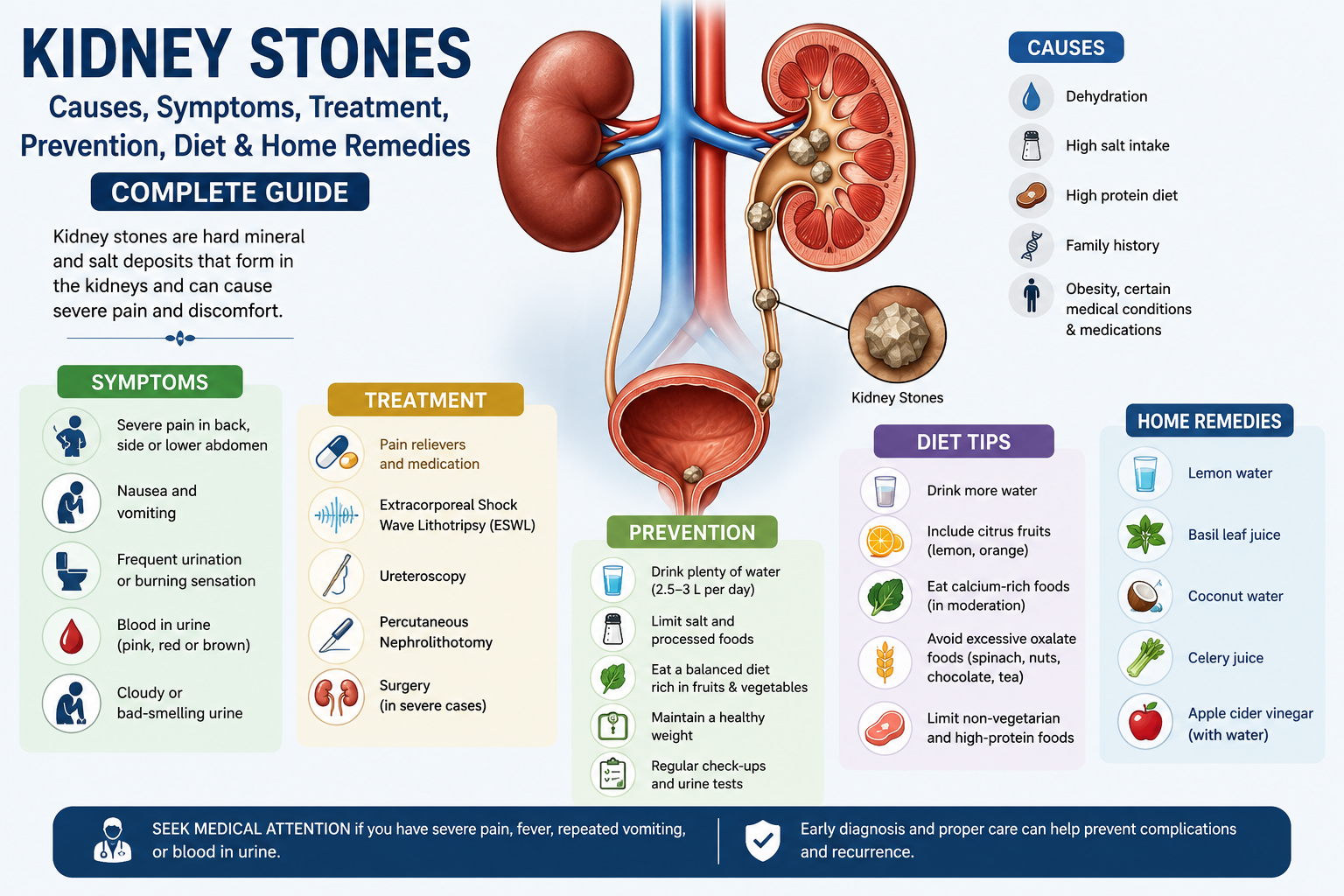
Introduction: Understanding the Silent Agony of Kidney Stones (गुर्दे की पथरी का परिचय)
Imagine a pain so intense that it rivals childbirth, sending grown adults to emergency rooms in tears. That is the reality for millions who experience kidney stones (गुर्दे की पथरी) each year. These tiny, pebble-like deposits form inside your kidneys and can cause excruciating discomfort when they move through your urinary tract.
Kidney stones (नेफ्रोलिथियासिस) affect approximately 12% of the global population, with men being twice as likely to develop them as women. The prevalence has been steadily rising over the past few decades, largely due to changing dietary habits, sedentary lifestyles, and increasing rates of obesity and diabetes.
This comprehensive guide leaves no stone unturned (pun intended) as we explore everything you need to know about kidney stones—from their root causes to the latest treatment options, preventive strategies, dietary modifications, and effective home remedies. Whether you’re currently suffering from a stone, have passed one before, or simply want to protect yourself from this painful condition, this article provides actionable, evidence-based information to help you take control of your kidney health.
Chapter 1: What Exactly Are Kidney Stones? (गुर्दे की पथरी क्या हैं?)
Kidney stones are solid, crystalline mineral deposits that form within your kidneys or urinary tract. They develop when your urine contains more crystal-forming substances—such as calcium, oxalate, uric acid, and cystine—than the available fluid can dilute. Additionally, your urine may lack the natural inhibitors that normally prevent these crystals from sticking together.
Understanding the Composition
The human urinary system is remarkably efficient at filtering waste products from the blood. However, when the delicate chemical balance in your urine is disrupted, certain substances can precipitate out of solution and form solid particles. Over time, these particles aggregate and grow into stones, ranging from microscopic crystals to large, branching staghorn calculi that can fill the entire kidney cavity.
Related Searchable Keyword: Nephrolithiasis (नेफ्रोलिथियासिस) – This is the medical term for kidney stones. It derives from the Greek words “nephros” (kidney) and “lithos” (stone). Understanding this term helps when reading medical literature or discussing your condition with healthcare providers.
Related Searchable Keyword: Urolithiasis (यूरोलिथियासिस) – This broader term refers to stones anywhere in the urinary tract, including the kidneys, ureters, bladder, and urethra. The distinction is important because stone location determines treatment approach.
Types of Kidney Stones
Not all kidney stones are created equal. Identifying the specific type of stone you’ve formed is crucial for effective prevention and treatment. There are four primary types:
Calcium Oxalate Stones (कैल्शियम ऑक्सालेट पथरी)
These account for approximately 80% of all kidney stones. They form when calcium combines with oxalate, a natural compound found in many foods. Several factors can contribute to their formation, including high dietary oxalate intake, low dietary calcium (which paradoxically increases oxalate absorption), high sodium intake (which increases urinary calcium), and certain metabolic disorders that cause excessive calcium excretion.
Related Searchable Keyword: Hyperoxaluria (हाइपरॉक्सल्यूरिया) – A condition characterized by excessive oxalate in the urine. This can be primary (genetic) or secondary (dietary or due to intestinal conditions like Crohn’s disease). People with hyperoxaluria are at significantly higher risk for calcium oxalate stones.
Related Searchable Keyword: Hypercalciuria (हाइपरकैल्शियूरिया) – Excessive calcium in the urine is one of the strongest risk factors for calcium stone formation. This can result from genetic predisposition, high sodium diets, excessive vitamin D supplementation, or certain endocrine disorders like hyperparathyroidism.
Calcium Phosphate Stones (कैल्शियम फॉस्फेट पथरी)
These represent about 10% of kidney stones and are more common in people with metabolic conditions that cause alkaline urine (high pH). They often occur in association with certain medications, renal tubular acidosis, and urinary tract infections caused by urease-producing bacteria.
Related Searchable Keyword: Renal Tubular Acidosis (रेनल ट्यूब्यूलर एसिडोसिस) – A condition where the kidneys fail to properly acidify urine, leading to alkaline urine that promotes calcium phosphate stone formation.
Uric Acid Stones (यूरिक एसिड पथरी)
Comprising about 5-10% of kidney stones, uric acid stones form when urine is persistently acidic. They are strongly associated with high purine diets (rich in animal proteins), gout (a type of arthritis caused by uric acid crystals), and conditions that cause rapid cell turnover, such as chemotherapy for cancer.
Related Searchable Keyword: Gout (गठिया) – A form of inflammatory arthritis characterized by recurrent attacks of red, tender, hot, and swollen joints. Gout patients have elevated uric acid levels, increasing their risk of both gout attacks and uric acid kidney stones.
Struvite Stones (स्ट्रुवाइट पथरी)
Also called infection stones, struvite stones account for about 10% of cases and are almost always associated with urinary tract infections (UTIs) caused by bacteria that produce urease, an enzyme that breaks down urea into ammonia. This process makes the urine alkaline, allowing magnesium, ammonium, and phosphate to crystallize. These stones can grow very large and may fill the entire kidney, forming what’s known as a staghorn calculus.
Related Searchable Keyword: Staghorn Calculus (स्टैगहॉर्न कैलकुलस) – A large, branching kidney stone that fills the renal pelvis and extends into the calyces. These stones typically require surgical intervention as they rarely pass spontaneously.
Cystine Stones (सिस्टीन पथरी)
The rarest type, cystine stones account for less than 2% of all kidney stones. They occur in people with cystinuria, a genetic disorder that causes excessive cystine (an amino acid) in the urine. This condition is inherited in an autosomal recessive pattern, meaning both parents must carry the gene for a child to develop the disorder.
Chapter 2: Root Causes and Risk Factors (कारण और जोखिम कारक)
Kidney stones rarely have a single cause. Instead, they typically result from a combination of genetic, environmental, dietary, and lifestyle factors. Understanding these risk factors is essential for developing an effective prevention strategy.
Dehydration and Inadequate Fluid Intake
Insufficient water consumption is perhaps the single most important modifiable risk factor for kidney stones. When you don’t drink enough fluids, your urine becomes concentrated with minerals and salts, creating an environment where crystals can easily form and grow. People living in hot climates, those who exercise vigorously without adequate hydration, and individuals who simply don’t drink enough water are at substantially higher risk.
Related Searchable Keyword: Dehydration and Kidney Stones – Chronic mild dehydration is a silent contributor to stone formation. The color of your urine is a simple indicator: dark yellow or amber suggests concentration, while light yellow or clear indicates adequate hydration.
Dietary Factors
Your diet plays a crucial role in kidney stone formation:
- High Sodium Intake: Excessive salt consumption increases calcium excretion in urine, a process called “calciuresis.” Processed foods, fast foods, canned soups, and salty snacks are major culprits.
- Animal Protein Overconsumption: Diets rich in red meat, poultry, fish, and eggs increase urinary calcium, reduce urinary citrate (a stone inhibitor), and increase uric acid. This triple whammy makes animal protein a significant risk factor.
- High Oxalate Foods: Consuming large amounts of oxalate-rich foods—spinach, rhubarb, beets, nuts, wheat bran, and chocolate—can contribute to calcium oxalate stone formation, especially when calcium intake is low.
- High Sugar and Fructose Intake: Sugar-sweetened beverages, particularly those containing high-fructose corn syrup, increase the risk of calcium, uric acid, and oxalate stones.
- Low Dietary Calcium: Ironically, getting too little calcium from food can increase your risk of calcium oxalate stones. Dietary calcium binds to oxalate in the intestine, preventing its absorption. When you consume adequate dietary calcium, less oxalate reaches the kidneys.
Medical Conditions
Certain health conditions dramatically increase stone risk:
- Obesity: Excess body weight is associated with increased urinary oxalate, uric acid, calcium, and sodium, while decreasing urinary pH. The mechanism involves insulin resistance, which affects kidney handling of these substances.
- Diabetes and Metabolic Syndrome: These conditions increase urinary calcium and reduce urinary pH, promoting both calcium and uric acid stones.
- High Blood Pressure: Hypertension is independently associated with increased stone risk, possibly through its effects on kidney function and calcium metabolism.
- Gout: Elevated uric acid levels lead to uric acid stone formation, particularly when combined with acidic urine.
- Hyperparathyroidism: Overactive parathyroid glands increase blood calcium levels, leading to hypercalciuria and calcium stone formation.
- Digestive Diseases: Conditions like Crohn’s disease, ulcerative colitis, and gastric bypass surgery alter digestive processes, affecting calcium and oxalate absorption.
- Recurrent Urinary Tract Infections: Chronic or recurrent UTIs, especially those caused by urease-producing bacteria, increase the risk of struvite stones.
Genetics and Family History
If someone in your immediate family has had kidney stones, your risk is significantly elevated—approximately triple the average. This genetic predisposition involves multiple genes affecting calcium metabolism, oxalate handling, and urine pH regulation.
Medications
Certain medications can increase stone risk:
- Calcium Supplements: While dietary calcium is protective, calcium supplements—especially when taken between meals—can increase stone risk.
- Vitamin D Supplements: Excessive vitamin D increases calcium absorption and excretion.
- Some Antacids: Chronic use of calcium-containing antacids can increase urinary calcium.
- Topiramate: Used for seizures and migraines, this medication can increase urinary pH, promoting calcium phosphate stones.
- Indinavir: An HIV medication that can crystallize in urine.
Environmental and Occupational Factors
People working in hot environments or those who don’t have regular access to water during work hours are at higher risk. Similarly, individuals with sedentary jobs that discourage regular hydration are vulnerable.
Chapter 3: Recognizing the Signs and Symptoms (लक्षण और संकेत)
Kidney stones are notorious for their ability to cause excruciating pain. However, symptoms can vary widely depending on the stone’s size, location, and whether it’s causing obstruction.
Classic Symptoms
Severe Pain (Renal Colic)
The hallmark symptom of a kidney stone is sudden, severe pain in the flank area (side and back, below the ribs). This pain, known as renal colic, typically comes in waves as the ureter contracts trying to push the stone along. Pain often radiates to the lower abdomen and groin as the stone moves down the ureter.
Pain can be so severe that people find it impossible to find a comfortable position. They may pace, writhe, or double over in distress. The pain is often described as being worse than childbirth, broken bones, or gunshot wounds.
Hematuria (Blood in Urine)
Blood in the urine, which may appear pink, red, or brown, is a common sign. The blood can be visible (gross hematuria) or only detectable under a microscope (microscopic hematuria). This occurs because the sharp edges of the stone irritate the delicate lining of the urinary tract.
Nausea and Vomiting
Many people with kidney stones experience nausea and vomiting due to the shared nerve pathways between the kidneys and the gastrointestinal tract. The pain can trigger the vomiting center in the brain.
Painful Urination (Dysuria)
As the stone approaches the bladder, it can cause pain, burning, or a stinging sensation during urination. People often feel an urgent need to urinate and may experience increased frequency.
Foul-Smelling or Cloudy Urine
Infection or inflammation can make urine appear cloudy or develop an unpleasant odor. This is particularly concerning as it may indicate a urinary tract infection.
Fever and Chills
Fever is a red flag that suggests a possible kidney infection (pyelonephritis) or a stone causing obstruction with secondary infection. This requires immediate medical attention.
Related Searchable Keyword: Renal Colic (रीनल कोलिक) – The medical term for the severe, colicky pain caused by kidney stones passing through the ureter. Understanding this term helps when describing your symptoms to healthcare providers.
Related Searchable Keyword: Pyelonephritis (पायलोनेफ्राइटिस) – A serious kidney infection that can be a complication of kidney stones. Signs include fever, chills, flank pain, and nausea. This condition requires urgent medical attention as it can lead to sepsis.
Atypical Symptoms
Some people, especially those with small stones or nerve damage, may not experience classic symptoms. Instead, they might have:
- Dull, aching back pain that’s mistaken for muscle strain
- Generalized abdominal discomfort
- Unexplained nausea without pain
- Recurrent urinary tract infections
- Only microscopic blood in urine found incidentally on routine testing
When to Seek Emergency Medical Attention
If you experience any of the following, seek immediate medical care:
- Pain so severe you cannot sit still or find comfort
- Pain accompanied by nausea, vomiting, and fever
- Fever and chills, especially with flank pain
- Painful or burning urination with fever
- Blood in urine with severe pain
- Unable to urinate despite feeling a full bladder
Symptom Progression: The Stone’s Journey
Understanding how symptoms evolve as the stone moves through the urinary tract can help you recognize what’s happening:
- Stone in Kidney: Often asymptomatic or causing dull flank pain
- Stone in Upper Ureter: Waves of severe flank pain, nausea, vomiting
- Stone in Lower Ureter: Pain radiating to lower abdomen, groin, and testicles or labia, frequent urination
- Stone in Bladder: Feeling of urgency, pain at the end of urination
- Stone Passing Through Urethra: Sharp, burning pain during urination
Chapter 4: Diagnostic Approaches (निदान)
Proper diagnosis is essential for determining stone type, size, location, and the most appropriate treatment. A urologist (kidney specialist) will typically employ several diagnostic tools.
Imaging Studies
Non-Contrast CT Scan (NCCT)
A non-contrast CT scan of the abdomen and pelvis has become the gold standard for diagnosing kidney stones. It’s highly sensitive, can detect stones of any composition, and provides detailed information about stone size, location, and degree of obstruction. It can also identify other causes of abdominal pain that might mimic kidney stones.
Ultrasound
Ultrasound is a radiation-free alternative, making it ideal for children and pregnant women. It can identify stones in the kidney (nephrolithiasis) or hydronephrosis (swelling of the kidney due to urine backup). However, it’s less sensitive than CT for small stones or stones in the ureter.
Related Searchable Keyword: Hydronephrosis (हाइड्रोनेफ्रोसिस) – Swelling of the kidney caused by urine backup due to stone obstruction. This is detected on imaging and indicates the stone is blocking urine flow.
KUB X-Ray
A plain X-ray of the kidneys, ureters, and bladder (KUB) can detect radiopaque stones (those containing calcium). However, it misses uric acid and cystine stones, which are radiolucent. This is less commonly used now but may be employed for monitoring known stones.
Intravenous Pyelogram (IVP)
This older technique involves injecting contrast dye and taking X-rays to visualize the urinary tract. It’s rarely used today, replaced by CT scans.
Laboratory Tests
Urinalysis
A complete urinalysis can detect blood, pus (indicating infection), and crystals. The presence of specific crystals can suggest the stone type. Urine pH is also measured, as different stones form at different pH levels.
24-Hour Urine Collection
For people with recurrent stones, a 24-hour urine collection is crucial. This test measures:
- Total urine volume
- Urine pH
- Calcium, oxalate, uric acid, citrate, sodium, potassium, and magnesium levels
- Creatinine to ensure collection is complete
Results help identify metabolic abnormalities causing stone formation and guide preventive treatment.
Blood Tests
Blood work may include:
- Basic metabolic panel (for calcium, uric acid, creatinine, electrolytes)
- Complete blood count (to check for infection)
- Parathyroid hormone level (if hyperparathyroidism suspected)
Stone Analysis
If you pass a stone or have one removed, it should be sent for laboratory analysis to determine its composition. This is the single most important test for prevention, as different stone types require different dietary and medical approaches.
Differential Diagnosis
Several conditions can mimic kidney stones, including:
- Acute appendicitis
- Diverticulitis
- Gallbladder disease
- Pancreatitis
- Ovarian torsion or cyst rupture
- Aortic aneurysm
- Urinary tract infection without stones
Chapter 5: Treatment Options (उपचार के विकल्प)
Treatment for kidney stones depends on several factors: stone size, location, composition, symptoms, and whether complications like infection or obstruction exist.
Conservative Management
Expectant Therapy (Watchful Waiting)
If you have a small stone (usually less than 5mm) that’s causing mild symptoms or no symptoms, your doctor may recommend waiting to see if it passes naturally. Approximately 80% of stones 4mm or smaller will pass spontaneously within 4-6 weeks.
During this period:
- Drink 2.5-3 liters of water daily to flush the stone
- Use pain medications as needed
- Strain urine to catch the stone for analysis
- Follow up with imaging to confirm passage
Pain Management
Pain from kidney stones can be severe and requires appropriate management:
- NSAIDs: Non-steroidal anti-inflammatory drugs like ibuprofen, naproxen, or ketorolac are often more effective than opioids for renal colic. They work by reducing inflammation and pain.
- Opioids: For severe pain, prescription opioids like hydrocodone or morphine may be necessary, though they are used sparingly due to addiction concerns.
- Medical Expulsive Therapy: Alpha-blocker medications (like tamsulosin) relax the ureteral muscles, making it easier for stones to pass. Studies show they increase stone passage rates by 30-40%.
Related Searchable Keyword: Medical Expulsive Therapy (MET) – The use of medications like alpha-blockers to facilitate stone passage. This is a first-line approach for stones that are likely to pass but need assistance.
Interventional Procedures
Extracorporeal Shock Wave Lithotripsy (ESWL)
ESWL is a non-invasive procedure that uses focused shock waves to break stones into smaller fragments that can be passed naturally. It’s effective for stones up to 2cm in the kidney or upper ureter.
Procedure: You lie on a water cushion while shock waves are directed at the stone under X-ray or ultrasound guidance. The process takes about 45-60 minutes and may require sedation or general anesthesia.
Pros: Non-invasive, outpatient procedure, quick recovery
Cons: May require multiple sessions, not effective for very hard stones, can cause bruising, and may not completely clear the stone
Related Searchable Keyword: Lithotripsy (लिथोट्रिप्सी) – The general term for breaking stones using shock waves, lasers, or other energy sources.
Ureteroscopy (URS)
In this procedure, a thin, flexible scope is passed through the urethra and bladder into the ureter to locate and remove the stone. Small stones can be removed with a basket, while larger stones are fragmented using a holmium laser (holmium laser lithotripsy).
Procedure: Performed under general or spinal anesthesia. The scope is passed directly into the ureter, and the stone is visualized. Laser fiber is used to break the stone into fragments that can be removed or left to pass.
Pros: Very effective (90-100% stone-free rates), can be done for any stone type, no external incisions
Cons: Requires general anesthesia, risk of ureteral injury, may require stent placement
Related Searchable Keyword: Ureteral Stent (यूरेट्रल स्टेंट) – A thin tube placed in the ureter to maintain urine flow after procedures that cause swelling. Stents have a string attached for easy removal and can be uncomfortable.
Percutaneous Nephrolithotomy (PCNL)
For very large stones (over 2cm) or complex staghorn stones, PCNL is the procedure of choice. A small incision is made in the back, and a nephroscope is inserted directly into the kidney to remove the stone.
Procedure: Under general anesthesia, a guidewire is placed into the kidney through a small incision. The tract is dilated, and a nephroscope is used to visualize and remove the stone, often with ultrasound or laser fragmentation.
Pros: High stone-free rate (over 90%), can remove very large stones
Cons: Invasive surgery, requires hospital stay (1-2 days), risk of bleeding and infection
Open or Laparoscopic Surgery
These are rarely performed today, reserved for cases where other methods are impossible (such as in patients with anatomical abnormalities or extremely large stones). They involve surgical incisions to open the kidney and remove the stone.
Addressing Complications
Kidney Infection
If you have signs of infection with a stone (fever, chills, systemic illness), urgent intervention is needed. This may involve:
- Antibiotic therapy
- Emergency drainage using a ureteral stent or percutaneous nephrostomy tube
- Definitive stone removal after infection resolves
Related Searchable Keyword: Nephrostomy (नेफ्रोस्टॉमी) – A drainage tube placed directly into the kidney through the skin to bypass an obstructing stone. This is an emergency procedure when infection is present with obstruction.
Post-Treatment Follow-up
After treatment, you’ll need:
- Repeat imaging to confirm stone-free status
- Analysis of any passed or removed stone fragments
- Prevention strategies tailored to your stone type
- Regular follow-up with your urologist
Chapter 6: Prevention Strategies (रोकथाम)
Preventing kidney stones is far more effective and less painful than treating them. The specific prevention strategy depends on your stone type, but universal principles apply.
Hydration: The Most Important Preventive Measure
The number one thing you can do to prevent kidney stones is to drink enough fluids to produce at least 2-2.5 liters of urine per day. This generally translates to drinking about 2.5-3 liters (10-12 cups) of fluid daily.
Hydration Tips:
- Drink water throughout the day, not just when thirsty
- Keep a water bottle with you at all times
- Monitor urine color (should be light yellow or clear)
- Drink extra fluids when exercising or in hot weather
- Drink citrus beverages (lemonade, orange juice) as they contain citrate
Related Searchable Keyword: Urine Output – Target at least 2 liters daily. This dilutes stone-forming substances and flushes crystals from the urinary tract.
Dietary Modifications
Reduce Sodium
High sodium intake increases calcium excretion in urine. The recommended daily intake is less than 2,300mg, but ideally under 1,500mg for stone formers.
Tips to reduce sodium:
- Avoid processed and packaged foods
- Use fresh herbs and spices instead of salt
- Check nutrition labels for sodium content
- Limit canned soups, fast food, and salty snacks
- Avoid adding salt at the table
Limit Animal Protein
Animal protein (meat, poultry, fish, eggs) increases urinary calcium, uric acid, and reduces citrate. Limit portions to 6-8 ounces daily. Consider replacing some meals with plant-based proteins.
Protein swaps:
- Beans and lentils (excellent sources of plant protein)
- Tofu and tempeh
- Nuts and seeds (in moderation, watch oxalate)
- Eggs (lower in purines than meat)
Get Adequate Dietary Calcium
Contrary to popular belief, you should NOT reduce calcium from foods. Dietary calcium binds with oxalate in the gut, preventing its absorption. The recommended dietary allowance is 1,000-1,200mg daily.
Calcium sources:
- Dairy products (milk, yogurt, cheese)
- Fortified plant milks
- Canned sardines and salmon (with bones)
- Calcium-set tofu
- Dark leafy greens (kale, broccoli)
Important: Get calcium from food, not supplements (which may increase stone risk). If you need supplements, take them with meals.
Moderate Oxalate-Rich Foods
If you form calcium oxalate stones, limit foods high in oxalate, especially when eating calcium-rich foods simultaneously (which reduces oxalate absorption).
High-oxalate foods to limit:
- Spinach and Swiss chard
- Rhubarb and beets
- Nuts and nut butters
- Wheat bran and wheat germ
- Chocolate and cocoa
- Sweet potatoes
- Okra
Increase Citrate Intake
Citrate naturally inhibits stone formation. Citrus fruits are excellent sources:
- Lemons and limes
- Oranges and grapefruit (caution: grapefruit may interact with medications)
- Made into juice or added to water
Limit Sugar-Sweetened Beverages
Sugar, particularly fructose, increases calcium and uric acid excretion. Limit:
- Sodas and sports drinks
- Sweetened teas and coffees
- Fruit juices (except citrus juices)
Reduce Purine Intake
If you form uric acid stones, limit purine-rich foods:
- Red meat and organ meats
- Anchovies, sardines, and shellfish
- Beer and other alcoholic beverages
Lifestyle Modifications
Maintain Healthy Weight
Obesity is a significant risk factor for stone formation. Weight loss through healthy diet and exercise reduces urinary calcium, oxalate, and uric acid.
Exercise Regularly
Moderate physical activity helps maintain healthy weight, improves insulin sensitivity, and may reduce stone risk. However, avoid excessive exercise without adequate hydration.
Manage Chronic Conditions
Properly manage conditions that increase stone risk:
- Diabetes (control blood sugar)
- High blood pressure (maintain blood pressure control)
- Gout (manage uric acid levels)
- Inflammatory bowel disease (work with gastroenterologist)
Medications for Prevention
If lifestyle modifications aren’t sufficient, medications may be prescribed based on your stone type:
- Thiazide diuretics: Reduce urinary calcium for calcium stone formers with hypercalciuria
- Allopurinol: Reduces uric acid for uric acid stone formers
- Citrate supplements: Potassium citrate for hypocitraturia (low urine citrate)
- Alkalinizing agents: Sodium bicarbonate or potassium citrate to raise urine pH for uric acid stones
Monitoring and Follow-up
- Regular 24-hour urine collections to monitor progress
- Periodic imaging to check for new stones
- Adjust prevention strategies as needed
Chapter 7: Diet and Nutrition Plans (आहार और पोषण)
A well-designed diet is the cornerstone of kidney stone prevention. Here are comprehensive dietary guidelines organized by stone type.
Universal Dietary Guidelines (For All Stone Formers)
- Hydration First: Drink 2.5-3 liters of fluid daily (mostly water)
- Sodium Restriction: Limit sodium to 1,500-2,300mg daily
- Moderate Animal Protein: Limit to 6-8 ounces daily
- Adequate Dietary Calcium: 1,000-1,200mg daily from food sources
- DASH Diet: Emphasize fruits, vegetables, whole grains, and low-fat dairy
Diet for Calcium Oxalate Stones
This is the most common stone type, requiring careful balance between calcium and oxalate.
Increase:
- Calcium-rich foods (dairy, fortified alternatives)
- Foods high in citrate (citrus fruits and juices)
- Fruits and vegetables (most are low-oxalate)
- Water and fluid intake
Decrease:
- High-oxalate foods (spinach, rhubarb, nuts, beets)
- Sodium (processed foods)
- Animal protein
- Sugar-sweetened beverages
Key Strategy: Always pair high-oxalate foods with calcium-rich foods. For example, if you eat spinach salad, add some cheese or have a glass of milk.
Diet for Uric Acid Stones
Uric acid stones require alkalinization of urine and reduction of purine intake.
Increase:
- Foods that alkalinize urine (fruits, vegetables)
- Potassium-rich foods (bananas, avocados)
- Citrus fruits (contain citrate)
- Whole grains
Decrease:
- Purine-rich foods (organ meats, game meats, shellfish)
- Animal protein overall
- Alcohol, especially beer
- Sugar and fructose
Key Strategy: Increase fruits and vegetables to make urine more alkaline.
Diet for Calcium Phosphate Stones
These stones form in alkaline urine, requiring a different approach.
Increase:
- Foods that acidify urine (cranberries, prunes)
- Water intake
- Calcium from foods
Decrease:
- Sodium
- Protein from all sources (both animal and plant)
- Foods that alkalinize urine (in moderation)
Diet for Cystine Stones
Cystine stones require alkalinization of urine and high fluid intake.
Increase:
- Fluid intake (target over 3 liters daily)
- Alkalinizing foods (fruits, vegetables)
- Water, especially at night (to prevent concentration)
Decrease:
- Sodium
- Methionine-rich foods (in moderation)
Sample One-Day Meal Plan
Breakfast:
- Oatmeal with low-fat milk, topped with sliced banana
- Glass of orange juice
- Water
Snack:
- Apple with a small serving of cheese
- Water
Lunch:
- Large salad with mixed greens, cucumber, bell peppers, grilled chicken (moderate portion)
- Lemon vinaigrette dressing
- Whole grain bread
- Water with lemon
Afternoon Snack:
- Greek yogurt with a handful of berries
- Water
Dinner:
- Grilled salmon (6 ounces) with herbs
- Roasted broccoli and cauliflower
- Brown rice
- Water
Evening:
- Herbal tea
- Water
Supplements to Consider (With Caution)
Always consult your doctor before taking supplements:
- Potassium Citrate: For hypocitraturia
- Vitamin B6: May help reduce oxalate
- Magnesium: May bind oxalate in the gut
- Fish Oil: May reduce urinary calcium
Supplements to Avoid
- Calcium supplements (unless specifically recommended and taken with meals)
- Vitamin C supplements (high doses can increase oxalate)
- Vitamin D supplements (except as prescribed)
- Protein supplements (especially whey and casein)
Chapter 8: Home Remedies and Natural Approaches (घरेलू उपचार)
While home remedies shouldn’t replace medical treatment for serious cases, several natural approaches may help support kidney health, manage symptoms, and prevent stones.
Hydration-Based Remedies
Lemon Water (नींबू पानी)
Lemons are rich in citrate, which inhibits stone formation. Drinking lemon water throughout the day is one of the most effective home remedies.
How to use: Squeeze half a lemon into 1 liter of water and drink throughout the day. Use fresh lemons, not bottled lemon juice (which may contain preservatives).
Daily Routine: Start your morning with a glass of warm lemon water.
Related Searchable Keyword: Citrate for Kidney Stones – Citrate is a natural inhibitor of stone formation. It binds with calcium, preventing crystal formation. Low urine citrate (hypocitraturia) is a major risk factor.
Lime Juice (मोसंबी का रस)
Limes are equally rich in citrate. Add to water or use as a flavoring.
Orange Juice (संतरे का रस)
Oranges provide both citrate and potassium. Fresh orange juice, without added sugar, is beneficial.
Herbal and Plant-Based Remedies
Chanca Piedra (Phyllanthus niruri) – “Stone Breaker” (पथरी तोड़ने वाला)
This Amazonian plant has been used traditionally to support kidney health. Some studies suggest it may help reduce stone formation.
How to use: As tea or supplement (consult a doctor first)
Dandelion Root (सिंहपर्णी जड़)
Dandelion root is a natural diuretic that may help flush the urinary system.
How to use: Dandelion tea or supplement
Nettle Leaf (बिच्छू बूटी)
Nettle leaf is rich in minerals and may support kidney health.
How to use: Tea or capsules
Corn Silk (भुट्टे का रेशम)
Traditional remedy for urinary tract health, corn silk is a gentle diuretic.
How to use: Corn silk tea
Warning: Herbs can interact with medications. Always consult your healthcare provider before starting any herbal remedy.
Home Remedies for Pain Relief
Heat Therapy
Applying a heating pad or hot water bottle to the affected area can help relieve pain and muscle tension.
How to use: Apply for 15-20 minutes at a time, with a barrier between skin and heat source.
Warm Bath
Soaking in a warm bath may help relax muscles and alleviate pain.
Essential Oils
Diluted essential oils (lavender, peppermint) can be added to bathwater or used for massage (always diluted with carrier oil). They may help with relaxation and pain relief.
Dietary Home Remedies
Apple Cider Vinegar
Some recommend apple cider vinegar in water to help dissolve stones.
Caution: Limited scientific evidence; excessive use can be harmful.
How to use: 1-2 tablespoons in a glass of water daily (consult your doctor first)
Watermelon
Watermelon is high in water content and potassium, potentially beneficial for kidney health.
Radish Juice
In traditional medicine, radish juice is used for urinary health.
What to Avoid in Home Treatment
- Self-treatment for severe pain: Seek medical help
- Herbal remedies without medical approval: Can interact with medications
- Excessive use of natural diuretics: Can cause electrolyte imbalance
- Ignoring fever or infection: Requires urgent care
- Relying on home remedies to pass large stones: Can cause obstruction
When Home Remedies Are Not Enough
Use home remedies as complementary approaches, not replacements for medical treatment. Seek emergency care if you experience:
- Fever and chills
- Inability to urinate
- Pain so severe you can’t sit still
- Nausea and vomiting preventing fluid intake
- Signs of sepsis (confusion, rapid heartbeat)
Frequently Asked Questions (FAQs) – अक्सर पूछे जाने वाले प्रश्न
Section 1: Understanding Kidney Stones (बुनियादी जानकारी)
Q1: What are kidney stones and how do they form?
A: Kidney stones are hard deposits of minerals and salts that form inside your kidneys. They develop when your urine contains high concentrations of crystal-forming substances like calcium, oxalate, and uric acid, and lacks substances that prevent crystals from sticking together. Dehydration, diet, medical conditions, and genetics contribute to stone formation.
Q2: How common are kidney stones?
A: Kidney stones affect approximately 1 in 10 people during their lifetime. The prevalence has been increasing globally, with men being twice as likely to develop stones as women. The highest rates occur in North America, Europe, and South Asia, including India.
Q3: What are the different types of kidney stones?
A: The four main types are:
- Calcium oxalate stones (80%): Most common, formed from calcium and oxalate
- Calcium phosphate stones (10%): Formed in alkaline urine
- Uric acid stones (5-10%): Associated with high purine diet and gout
- Struvite stones (10%): Caused by urinary tract infections
- Cystine stones (<2%): Rare, genetic disorder causing cystinuria
Q4: Can stress cause kidney stones?
A: While stress doesn’t directly cause kidney stones, it can indirectly contribute. Chronic stress may lead to poor dietary choices, dehydration, and neglecting hydration—all of which are risk factors. Additionally, stress can affect the immune system, potentially increasing susceptibility to infections that can cause stones.
Q5: Are kidney stones hereditary?
A: Yes, genetics play a significant role. If you have a family history of kidney stones, your risk increases approximately threefold. This genetic component involves multiple genes affecting calcium metabolism, oxalate absorption, and urine pH regulation. Testing can identify specific metabolic defects.
Section 2: Symptoms and Diagnosis (लक्षण और निदान)
Q6: What does kidney stone pain feel like?
A: Kidney stone pain (renal colic) is often described as one of the most severe pains possible. It typically starts suddenly as intense, cramping pain in the side and back, below the ribs, radiating to the lower abdomen and groin. The pain comes in waves as the ureter contracts, often causing nausea, vomiting, and an inability to find comfort.
Q7: Can kidney stones cause back pain only?
A: Yes, kidney stones can cause pain that’s localized to the back, just below the ribs. This pain (flank pain) is often mistaken for muscle strain or back problems. However, unlike muscle pain, kidney stone pain is typically sharp and colicky, and doesn’t improve with rest or position changes.
Q8: How are kidney stones diagnosed?
A: Diagnosis involves:
- CT scan (gold standard for detecting stones)
- Ultrasound (radiation-free, good for pregnancy)
- KUB X-ray (less sensitive)
- Urinalysis (detects blood, infection, crystals)
- Blood tests (calcium, uric acid, kidney function)
- Stone analysis if passed or removed
- 24-hour urine collection for recurrent stones
Q9: Can you have a kidney stone with no pain?
A: Yes, this is called a silent stone. Small stones may cause no symptoms. Larger stones may be discovered incidentally during imaging for other reasons. However, silent stones can become problematic if they grow or move, causing obstruction or infection later.
Q10: What color is urine when you have a kidney stone?
A: Urine may appear pink, red, or brown (bloody) due to irritation from the stone. It may also be cloudy or have an unusual odor, especially if infection is present. Dark yellow urine suggests dehydration, a risk factor for stones.
Q11: Can kidney stones cause burning sensation when urinating?
A: Yes, as the stone approaches the bladder or urethra, it can cause dysuria (painful urination) with a burning or stinging sensation. This occurs due to irritation of the urinary tract lining as the stone moves through.
Q12: How long does it take to pass a kidney stone?
A: Passing time varies widely:
- Stones under 4mm: Usually pass within 4-6 weeks
- 4-5mm stones: 50% pass within 4-6 weeks
- 5-7mm stones: Pass rate drops significantly
- Over 7mm: Rarely pass spontaneously
Factors include stone size, location, and your body’s physiology.
Section 3: Treatment Questions (उपचार)
Q13: Can kidney stones go away on their own?
A: Small stones (under 5mm) can pass spontaneously. This is called expectant therapy. Most people pass stones within 4-6 weeks with adequate hydration and pain management. However, larger stones typically require medical intervention to remove or break down.
Q14: When should I see a doctor for a kidney stone?
A: Seek medical attention immediately if you have:
- Pain so severe you can’t sit still
- Pain with fever and chills
- Blood in urine with severe pain
- Inability to urinate
- Nausea preventing fluid intake
- Signs of infection or sepsis
- Stone >5mm in size
Q15: What is shock wave lithotripsy?
A: Extracorporeal Shock Wave Lithotripsy (ESWL) is a non-invasive procedure using focused shock waves to break kidney stones into smaller fragments that can be passed naturally. It’s effective for stones up to 2cm in the kidney or upper ureter. It’s done as an outpatient procedure under sedation or anesthesia.
Q16: What is ureteroscopy?
A: Ureteroscopy (URS) is a procedure where a thin, flexible scope is passed through the urethra and bladder into the ureter to locate and remove the stone. Stones can be extracted with a basket or broken down with a laser (holmium laser). It has a high success rate (90-100%) and is effective for all stone types.
Q17: What is medical expulsive therapy?
A: Medical expulsive therapy (MET) uses medications, typically alpha-blockers like tamsulosin, to relax the ureteral muscles and help stones pass more easily. Studies show MET increases stone passage rates by 30-40% and reduces pain. It’s effective for stones 5-10mm in the ureter.
Q18: What happens if kidney stones are left untreated?
A: Untreated stones can lead to:
- Complete obstruction causing hydronephrosis (kidney swelling)
- Kidney damage or failure
- Severe infection (pyelonephritis) or sepsis
- Chronic pain
- Recurrent infections
- In rare cases, kidney loss
This is why prompt medical attention is crucial.
Q19: Is surgery always needed for kidney stones?
A: No. Many stones pass naturally or with medical assistance. Surgery (PCNL) is reserved for very large stones (over 2cm), staghorn stones, or cases where other methods fail. Most stones can be managed non-surgically through conservative therapy, ESWL, or ureteroscopy.
Q20: Can kidney stones cause permanent kidney damage?
A: Yes, if left untreated, especially if they cause complete obstruction. Chronic obstruction can lead to hydronephrosis and progressive kidney damage. Multiple recurrent stones can also cause scarring and chronic kidney disease. Timely treatment and prevention are essential.
Section 4: Diet and Nutrition (आहार और पोषण)
Q21: What foods cause kidney stones?
A: Foods that can contribute to stones include:
- High-sodium foods (processed foods, fast food)
- High-oxalate foods (spinach, rhubarb, nuts, beets)
- Animal protein (red meat, poultry, fish in excess)
- Sugar-sweetened beverages
- Organ meats (high in purines)
- Grapefruit juice (interacts with medications)
Q22: Is it true that calcium should be avoided to prevent kidney stones?
A: No! This is a common misconception. Dietary calcium from food actually PROTECTS against calcium oxalate stones by binding to oxalate in the gut, preventing its absorption. The recommendation is to get 1,000-1,200mg of calcium daily from food sources. Calcium SUPPLEMENTS, however, can increase risk if taken between meals.
Q23: What drinks help dissolve kidney stones?
A: While no drink dissolves stones, certain beverages help prevent them:
- Water (most important)
- Lemon water (rich in citrate)
- Lime water
- Orange juice
- Citrus beverages
Avoid: Sugar-sweetened drinks, dark sodas, excessive alcohol.
Q24: What should I avoid eating if I have kidney stones?
A: Depending on your stone type:
- For calcium stones: Limit sodium, high-oxalate foods, animal protein
- For uric acid stones: Limit purine-rich foods (organ meats, shellfish)
- For all: Limit sugar, processed foods, alcohol
Always personalize based on stone analysis.
Q25: Can I drink coffee or tea with kidney stones?
A: Moderate consumption is generally safe. Black coffee and tea contain oxalate, but small amounts are unlikely to cause problems when consumed with calcium-rich foods. Some studies suggest caffeine may increase calcium excretion, so moderation is key.
Q26: Is chicken okay for kidney stones?
A: Chicken is lower in purines than red meat but still contains animal protein. If you have uric acid stones, limit all animal protein to 6-8 ounces daily. For calcium stones, choose plant-based proteins more often and limit animal protein.
Q27: Can multivitamins cause kidney stones?
A: Certain supplements can increase risk:
- Calcium supplements (if taken between meals)
- High-dose vitamin C (increases oxalate)
- Vitamin D supplements (in high doses)
- Fish oil supplements (can affect calcium metabolism)
Always discuss supplements with your doctor.
Q28: How much water should I drink to prevent kidney stones?
A: Drink enough to produce at least 2-2.5 liters of urine per day. This generally requires 2.5-3 liters of fluid daily (10-12 cups). In hot weather or with exercise, drink more. Monitor urine color—aim for light yellow or clear.
Section 5: Prevention and Lifestyle (रोकथाम)
Q29: Can I exercise with kidney stones?
A: Moderate exercise is generally safe and may help maintain healthy weight. However:
- Avoid high-impact activities if experiencing pain
- Stay well-hydrated before, during, and after exercise
- Stop if pain worsens
- Consult your doctor if uncertain
Swimming and walking are excellent low-impact options.
Q30: Can kidney stones recur?
A: Yes, recurrence is common. Without preventive measures, the recurrence rate is about 50% within 5 years. With appropriate dietary and lifestyle changes, recurrence can be significantly reduced (by 60-80%). Regular follow-up is essential.
Q31: Is there a way to tell what type of stone I have?
A: The only definitive way is to have the stone analyzed in a lab after you pass it or it’s removed. Based on stone type, you can implement targeted prevention strategies. If you can’t catch the stone, your doctor may infer stone type from imaging (CT scan, X-ray) and blood/urine tests.
Q32: What fruits are good for kidney stones?
A: Fruits rich in citrate are excellent:
- Lemons and limes (high citrate)
- Oranges (citrate + potassium)
- Watermelon (high water content)
- Cantaloupe
- Grapes
Avoid grapefruit if taking medications that interact with it.
Q33: Can stress cause kidney stones to form?
A: Stress alone doesn’t directly cause stones, but it can contribute indirectly. Stress often leads to:
- Poor dietary choices (high sodium, sugar)
- Decreased water intake
- Disrupted sleep patterns
- Changes in hormone levels affecting metabolism
Managing stress through exercise, meditation, and adequate hydration is important.
Q34: What’s the best way to prevent kidney stones long-term?
A: A comprehensive approach includes:
- Consistent hydration (2.5-3L daily)
- Low-sodium diet
- Adequate dietary calcium
- Moderate animal protein
- Limit high-oxalate foods
- Maintain healthy weight
- Regular exercise
- Manage chronic conditions
- Regular follow-up with urinalysis
Section 6: Home Remedies and Miscellaneous (घरेलू उपचार और विविध)
Q35: Does apple cider vinegar dissolve kidney stones?
A: While some claim apple cider vinegar can dissolve stones, scientific evidence is lacking. It may help in preventing stones by making urine alkaline, but it won’t dissolve existing stones. Excessive use can be harmful. Always consult your doctor before using it as a remedy.
Q36: Can lemon juice help with kidney stones?
A: Yes! Lemon juice is rich in citrate, a natural stone inhibitor. Drinking lemon water throughout the day helps prevent stone formation. However, it won’t dissolve stones that have already formed. Aim for juice from 1-2 lemons daily diluted in water.
Q37: What natural remedies help with kidney stone pain?
A: Natural pain relief options include:
- Heat therapy (heating pad, warm bath)
- Drinking plenty of water
- Rest and relaxation
- Essential oils (lavender, peppermint) in bath or massage
- Gentle exercise (walking) for mild pain
- Distraction techniques
Always combine with medical treatment for moderate-severe pain.
Q38: Can herbal teas help prevent kidney stones?
A: Some herbal teas may be beneficial:
- Dandelion tea (natural diuretic)
- Nettle leaf tea (supports urinary health)
- Corn silk tea (traditional use)
- Chanca Piedra tea (traditional “stone breaker”)
Always check for interactions with medications and consult your doctor before using herbs.
Q39: Is it safe to try passing a stone at home?
A: Passing small stones (under 5mm) at home is generally safe if you have mild to moderate pain and no complications. However, seek medical help if you have:
- Fever or chills
- Inability to urinate
- Pain that prevents sitting still
- Nausea preventing fluid intake
- Symptoms lasting more than 4-6 weeks
Q40: What are the signs a kidney stone has passed?
A: Signs of passage include:
- Sudden relief from pain
- Finding the stone in your urine (strain all urine)
- Decreased pain and symptoms
- Normalization of urine color (no blood)
- Return of normal urination
- No more nausea or urgency
If unsure, follow up with your doctor for confirmation.
Conclusion: Taking Control of Your Kidney Health
Kidney stones represent a significant health burden affecting millions worldwide. However, armed with the knowledge from this comprehensive guide, you’re now equipped to understand, manage, and most importantly, prevent this painful condition.
The journey to kidney health involves:
- Understanding your specific type of stone through proper diagnosis and analysis
- Implementing targeted prevention strategies, especially adequate hydration and dietary modifications
- Recognizing symptoms early, seeking timely medical care to prevent complications
- Following your personalized prevention plan consistently, adjusting as needed based on your body’s response
- Adopting a sustainable lifestyle that incorporates the DASH diet, regular exercise, and stress management
Remember that prevention is far more effective—and infinitely less painful—than treatment. Small changes in your daily habits can dramatically reduce your risk of future stones.
If you’re currently suffering from kidney stones, know that effective treatments exist, and relief is available. With modern medical advances, most stones can be successfully managed with minimal discomfort and excellent outcomes.
Your kidneys work tirelessly to maintain your body’s delicate balance. By protecting them from stone formation, you’re investing in your long-term health and quality of life. Take the first step today by implementing the strategies outlined in this guide.
Key Takeaways:
- Hydrate, hydrate, hydrate: Your most powerful prevention tool
- Know your stone type: Guide your prevention strategy
- Diet matters: Limit sodium and animal protein, get enough calcium
- Act early: Don’t ignore symptoms
- Stay consistent: Prevention is a lifelong commitment
Related Searchable Keywords Summary:
- Nephrolithiasis (नेफ्रोलिथियासिस): Medical term for kidney stones
- Urolithiasis (यूरोलिथियासिस): Stones anywhere in urinary tract
- Hyperoxaluria (हाइपरॉक्सल्यूरिया): High urinary oxalate
- Hypercalciuria (हाइपरकैल्शियूरिया): High urinary calcium
- Renal Colic (रीनल कोलिक): Severe pain from stone passage
- Pyelonephritis (पायलोनेफ्राइटिस): Kidney infection from stones
- Hydronephrosis (हाइड्रोनेफ्रोसिस): Kidney swelling from obstruction
- Lithotripsy (लिथोट्रिप्सी): Procedure to break stones
- Medical Expulsive Therapy (MET) : Medications to help stones pass
- Citrate (साइट्रेट): Natural stone inhibitor found in citrus
Stay informed, stay hydrated, and take proactive steps to protect your kidney health. Your future self will thank you!
Disclaimer: This article is for informational purposes only and does not constitute medical advice. Always consult a qualified healthcare professional for diagnosis, treatment, and personalized prevention strategies.