
Introduction
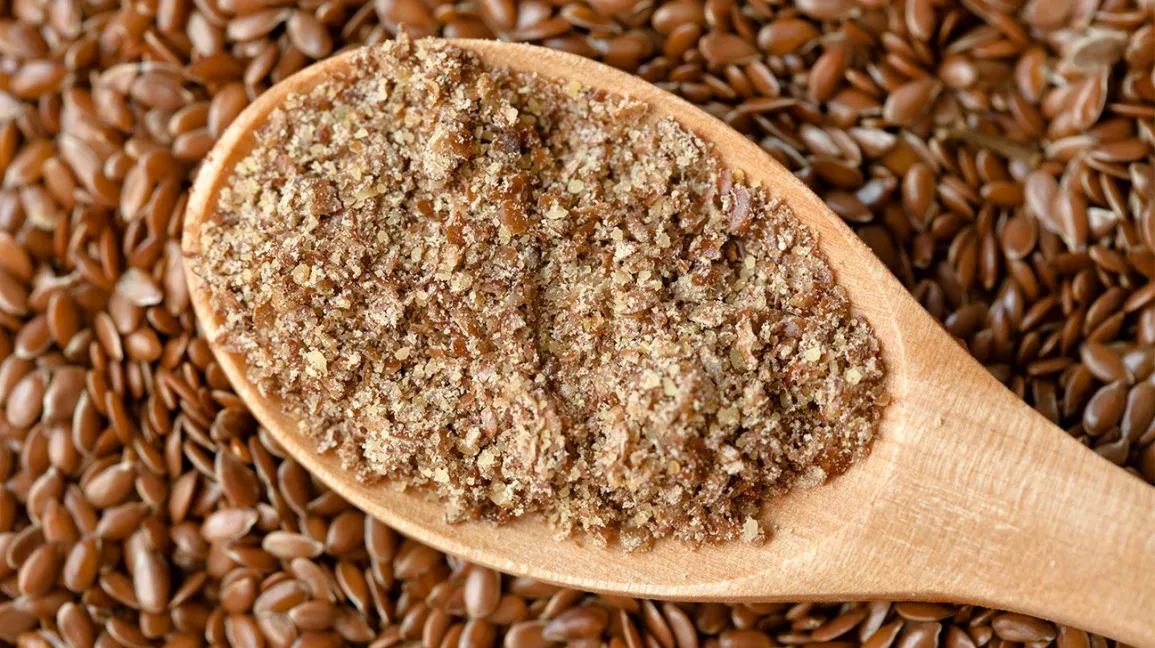
Flaxseeds are celebrated as a nutritional powerhouse, packed with omega-3 fatty acids, fiber, and lignans. However, despite their health benefits, excessive consumption can lead to unexpected side effects. If you love snacking on flaxseeds, here are seven potential risks you should be aware of to stay healthy.
1 | Digestive Issues: Bloating, Gas, and Diarrhea
Flaxseeds are rich in dietary fiber, which aids digestion but can also cause bloating, gas, and diarrhea if consumed in excess. The high fiber content absorbs water and expands in the stomach, leading to discomfort.
How to avoid it:
Start with small amounts (1-2 teaspoons daily).
Drink plenty of water to help digestion.
2 | Risk of Intestinal Blockage (If Not Taken with Enough Water)
Since flaxseeds absorb water, eating them without sufficient hydration can lead to constipation or, in severe cases, intestinal blockage. This is especially risky for individuals with digestive disorders like Crohn’s disease.
Prevention tip:
Always soak or grind flaxseeds before eating.
Consume with at least 8 oz of water.
3 | Hormonal Imbalance Due to Phytoestrogens
Flaxseeds contain lignans, which mimic estrogen in the body. While beneficial for menopausal women, excessive intake may disrupt hormonal balance, particularly in individuals with estrogen-sensitive conditions like breast cancer.
Who should be cautious?
Women with PCOS or endometriosis.
Men concerned about testosterone levels.
4 | Blood Thinning and Increased Bleeding Risk
Flaxseeds contain alpha-linolenic acid (ALA), a type of omega-3 that may slow blood clotting. Overconsumption can increase bleeding risk, especially for those on blood thinners like warfarin.
Who should limit flaxseeds?
People scheduled for surgery.
Those with bleeding disorders.
5 | Allergic Reactions: Skin Rash, Itching, and Swelling
Though rare, some people may experience flaxseed allergies, leading to skin rashes, itching, or even anaphylaxis in severe cases.
Symptoms to watch for:
Hives or swelling.
Difficulty breathing (seek medical help immediately).
6 | Cyanogenic Glycosides: Potential Toxicity in Raw Form
Raw flaxseeds contain trace amounts of cyanogenic glycosides, which release cyanide in high doses. However, roasting or cooking flaxseeds reduces this risk.
Safety measure:
Avoid consuming large quantities of raw flaxseeds.
Opt for roasted or ground flaxseeds.
7 | Interference with Medication Absorption
The high fiber content in flaxseeds can interfere with the absorption of certain medications, including diabetes and thyroid drugs.
What to do?
Take medications 1-2 hours before or after flaxseed consumption.
Consult a doctor if on regular medication.
FAQs About Flaxseed Side Effects
Digestive Health Concerns
1. Can flaxseeds cause digestive discomfort?
Yes, the high fiber content (both soluble and insoluble) may cause bloating, gas, or abdominal cramps, especially when first introducing flaxseeds to your diet.
2. Why do flaxseeds sometimes cause diarrhea?
The mucilage (soluble fiber) in flaxseeds acts as a natural laxative by drawing water into the intestines, which can lead to loose stools if consumed in excess.
3. Can flaxseeds worsen IBS symptoms?
For some IBS sufferers, the fermentable fibers in flaxseeds may trigger bloating and discomfort, though others find them helpful for regularity.
Hormonal Effects
4. How do flaxseeds affect estrogen levels?
Flaxseeds contain lignans that have weak estrogenic/anti-estrogenic effects, which may influence hormone-sensitive conditions.
5. Can men safely consume flaxseeds?
Yes, in moderation (1-2 tbsp/day). Excessive amounts might theoretically affect testosterone due to phytoestrogens, but normal consumption is generally safe.
6. Are flaxseeds safe during pregnancy?
Small amounts are likely safe, but pregnant women should consult their doctor due to potential hormonal effects and blood-thinning properties.
Medication Interactions
7. Do flaxseeds interact with blood thinners?
Yes, the omega-3s may enhance the effects of blood-thinning medications like warfarin, increasing bleeding risk.
8. Can flaxseeds affect thyroid medication?
The fiber may interfere with absorption of thyroid hormones. Take medications 2-3 hours apart from flaxseed consumption.
9. Do flaxseeds impact diabetes medications?
They may enhance blood sugar-lowering effects, potentially requiring medication adjustments under medical supervision.
Allergic Reactions
10. What are signs of flaxseed allergy?
Symptoms may include hives, itching, swelling, difficulty breathing, or anaphylaxis in severe cases.
11. How common are flaxseed allergies?
Relatively uncommon but increasing as flax consumption rises. Those with other seed allergies may be at higher risk.
Preparation & Consumption
12. Are raw flaxseeds dangerous?
Whole raw flaxseeds may contain trace cyanide compounds, but normal consumption is safe. Grinding eliminates this concern.
13. Why must flaxseeds be ground?
Whole seeds may pass undigested. Grinding ensures nutrient absorption while reducing intestinal blockage risk.
14. How much water should I drink with flaxseeds?
At least 8 oz per tablespoon to prevent constipation and ensure proper digestion.
Special Populations
15. Are flaxseeds safe for children?
In small amounts (1 tsp ground) for children over 1 year, with pediatrician approval.
16. Can elderly individuals consume flaxseeds?
Yes, but with extra hydration and monitoring for medication interactions.
17. Should cancer patients avoid flaxseeds?
Those with hormone-sensitive cancers should consult oncologists due to lignan content.
Long-Term Use
18. Can daily flaxseed consumption be harmful?
Generally safe long-term at recommended doses (1-2 tbsp ground), but variety in diet is ideal.
19. Do flaxseeds lose nutritional value over time?
Ground flax loses omega-3s quickly. Store in fridge/freezer and use within weeks.
Specific Health Conditions
20. Can flaxseeds worsen diverticulitis?
During flare-ups, the fiber may irritate. Resume gradually during remission.
21. Are flaxseeds bad for gallstones?
The fat content may stimulate gallbladder contractions – consult your doctor if you have stones.
Nutritional Concerns
22. Can flaxseeds cause nutrient deficiencies?
The phytic acid may slightly reduce mineral absorption, but this is negligible in balanced diets.
23. Do flaxseeds contain heavy metals?
Testing shows minimal heavy metal content, well below safety limits.
Miscellaneous Concerns
24. Can flaxseeds cause weight loss plateaus?
Unlikely directly, but calorie-dense flaxseeds in excess may hinder weight loss.
25. Do flaxseeds expire?
Yes – rancid flaxseeds smell bitter. Store properly and discard if odor changes.
Comparative Questions
26. Are flaxseeds safer than chia seeds?
Both are generally safe, but chia may be better tolerated by those sensitive to flax’s laxative effects.
Preparation Methods
27. Does cooking destroy flaxseed nutrients?
Heat damages some omega-3s but preserves fiber and lignans. Add to foods after cooking when possible.
Skin Reactions
28. Can flaxseeds cause skin breakouts?
Rarely, but hormonal changes from excessive intake might contribute to acne in sensitive individuals.
Mental Health
29. Can flaxseeds affect mood?
The omega-3s may support mood, but dramatic hormonal changes from overconsumption could theoretically affect some individuals.
Blood-Related Concerns
30. Do flaxseeds lower blood pressure too much?
They may modestly reduce BP, so hypotensive individuals should monitor effects.
Reproductive Health
31. Can flaxseeds affect fertility?
Research is mixed – may support or slightly hinder fertility depending on individual circumstances.
Weight Management
32. Can flaxseeds cause weight gain?
Unlikely when consumed in moderation, despite being calorie-dense, due to satiety effects.
Special Diets
33. Are flaxseeds keto-friendly?
Yes, in controlled amounts due to low net carbs and high fat content.
Storage Questions
34. Can spoiled flaxseeds make you sick?
Rancid flaxseeds won’t cause serious illness but may lead to digestive discomfort.
Alternative Forms
35. Is flaxseed oil safer than whole seeds?
Different benefits/risks – oil lacks fiber but provides concentrated omega-3s without digestive issues.
Cooking Concerns
36. Can you bake with flaxseeds?
Yes, though some omega-3s are lost. Use as egg substitute in vegan baking.
Comparative Nutrition
37. Are flaxseeds better than fish oil?
They provide ALA (plant omega-3) rather than EPA/DHA from fish, with different conversion rates in the body.
Historical Use
38. Have flaxseeds always been consumed?
Used for thousands of years, but modern concentrated consumption patterns differ from historical use.
Environmental Concerns
39. Do flaxseeds contain pesticides?
Choose organic if concerned, though conventional flax typically has low pesticide residues.
Future Research
40. Are there unknown flaxseed risks?
Ongoing research examines long-term high-dose effects, but current evidence supports moderate use as safe.
Conclusion
Flaxseeds are undeniably nutritious, but moderation is key. By understanding these seven side effects, you can enjoy their benefits without compromising your health. Always consult a healthcare provider if you have underlying conditions or concerns.