
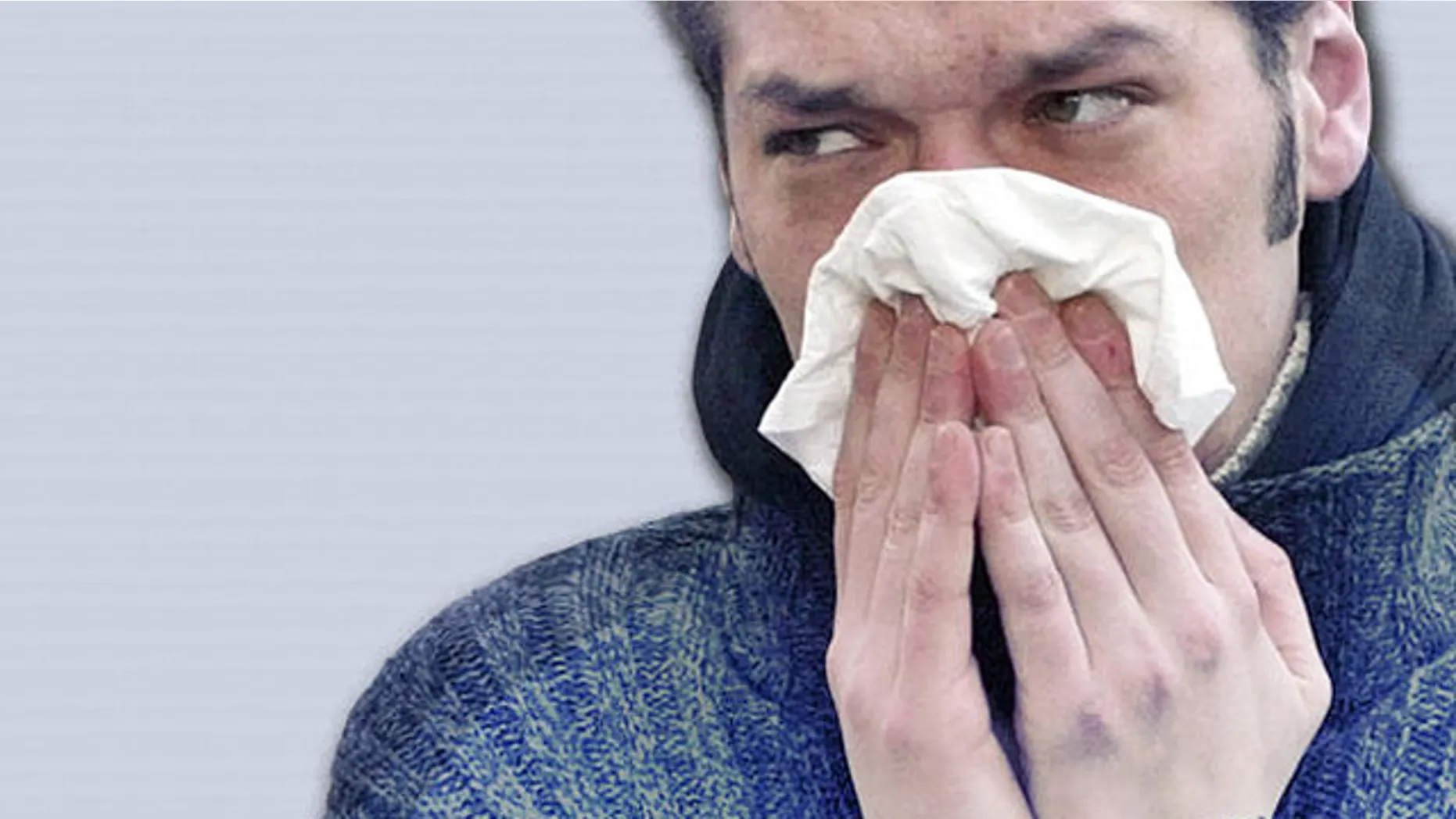
Introduction | What Is Whooping Cough?
Whooping cough, medically known as pertussis, is a highly contagious respiratory infection caused by the bacterium Bordetella pertussis. It is characterized by severe coughing fits followed by a “whooping” sound when breathing in. Although it can affect people of all ages, it is particularly dangerous for infants and young children.
This comprehensive guide covers everything you need to know about whooping cough, including its symptoms, causes, diagnosis, treatment, and prevention methods.
Whooping Cough Symptoms | Recognizing the Signs
Whooping cough progresses in three stages:
1. Catarrhal Stage (First 1-2 Weeks)
Mild cold-like symptoms
Runny nose
Low-grade fever
Mild cough
2. Paroxysmal Stage (Next 1-6 Weeks)
Severe coughing fits (paroxysmal cough)
“Whooping” sound when inhaling
Posttussive vomiting (vomiting after coughing)
Exhaustion after coughing episodes
3. Convalescent Stage (Recovery Phase)
Gradual reduction in coughing
Symptoms slowly fade over weeks
Infants may not produce the “whoop” sound but can experience apnea (pauses in breathing).
Whooping Cough Causes | How It Spreads
Whooping cough is caused by Bordetella pertussis, a bacterium that spreads through:
Airborne droplets (coughing, sneezing)
Close contact with an infected person
Contaminated surfaces (less common)
Unvaccinated individuals and those with weakened immunity are at higher risk.
Whooping Cough Diagnosis | How Doctors Detect It
Doctors diagnose pertussis through:
Medical history & physical exam
Nasopharyngeal swab test (PCR test)
Blood tests (checking antibodies)
Chest X-ray (to rule out pneumonia)
Early diagnosis is crucial to prevent complications.
Whooping Cough Treatment | Managing the Infection
Treatment depends on age and severity:
1. Antibiotics
Azithromycin, Clarithromycin, Erythromycin (reduce contagiousness)
Most effective when given early
2. Supportive Care
Hydration & rest
Humidifiers to ease coughing
Hospitalization for severe cases (especially infants)
3. Prevention in Close Contacts
Prophylactic antibiotics for family members
Booster vaccines for added immunity
Whooping Cough Prevention | Vaccination & Hygiene
The best way to prevent pertussis is through vaccination:
1. DTaP Vaccine (For Children)
Given at 2, 4, 6 months, and 4-6 years
Protects against diphtheria, tetanus, and pertussis
2. Tdap Booster (For Teens & Adults)
Recommended every 10 years
Essential for pregnant women (to protect newborns)
3. Hygiene Practices
Cover mouth when coughing/sneezing
Frequent handwashing
Avoid close contact with infected individuals
Whooping Cough Complications | Risks to Watch For
Severe cases can lead to:
Pneumonia (most common complication)
Ear infections
Rib fractures (from severe coughing)
Seizures & brain damage (rare, in infants)
Infants under 6 months are at the highest risk.
FAQs About Whooping Cough
1. What is whooping cough?
Whooping cough, or pertussis, is a highly contagious bacterial infection caused by Bordetella pertussis, leading to severe coughing fits and a distinctive “whooping” sound when breathing in.
2. How does whooping cough spread?
It spreads through airborne droplets when an infected person coughs or sneezes, making it highly contagious in close-contact settings.
3. What are the first signs of whooping cough?
Early symptoms mimic a cold—runny nose, mild cough, low fever—before progressing to severe coughing fits.
4. Why is it called “whooping” cough?
The name comes from the high-pitched “whoop” sound made when gasping for air after a coughing episode.
5. How long does whooping cough last?
Symptoms can persist for 6–10 weeks, with severe coughing lasting weeks (sometimes called the “100-day cough”).
6. Is whooping cough dangerous for babies?
Yes, infants under 6 months are at highest risk for life-threatening complications like pneumonia, apnea, or brain damage.
7. Can adults get whooping cough?
Yes, but symptoms are often milder. Adults can unknowingly spread it to unvaccinated children.
8. How is whooping cough diagnosed?
Doctors use nasal swabs (PCR test), blood tests, or chest X-rays to confirm pertussis.
9. What antibiotics treat whooping cough?
Azithromycin, clarithromycin, or erythromycin are prescribed to reduce contagion and severity if given early.
10. Can whooping cough go away without treatment?
Yes, but recovery takes longer, and untreated cases remain contagious for weeks, risking spread to others.
11. How can I soothe whooping cough symptoms?
Use humidifiers, drink fluids, rest, and avoid irritants (smoke/dust). Hospitalization may be needed for severe cases.
12. Is there a vaccine for whooping cough?
Yes! The DTaP vaccine (for kids) and Tdap booster (for teens/adults) protect against pertussis.
13. How often should you get a whooping cough booster?
Every 10 years, or during each pregnancy (to protect newborns).
14. Can you get whooping cough if vaccinated?
Yes, but symptoms are milder and complications far less likely.
15. Why do vaccinated people still get whooping cough?
Immunity fades over time, and vaccine efficacy is 80–90% (not 100%).
16. What’s the difference between DTaP and Tdap?
DTaP: For children (diphtheria, tetanus, pertussis).
Tdap: Booster for teens/adults (lower-dose pertussis).
17. When do babies get the whooping cough vaccine?
At 2, 4, 6 months, and a booster at 15–18 months and 4–6 years.
18. Can breastfeeding prevent whooping cough?
Breast milk doesn’t prevent infection but supports a baby’s immune system.
19. How contagious is whooping cough?
Extremely—one infected person can spread it to 12–15 others if unvaccinated.
20. How long is whooping cough contagious?
Up to 2 weeks after coughing starts (or 5 days after starting antibiotics).
21. Can whooping cough cause rib fractures?
Yes, severe coughing fits can fracture ribs or cause abdominal hernias.
22. Does whooping cough cause vomiting?
Yes, posttussive vomiting (throwing up after coughing) is common.
23. Can whooping cough lead to pneumonia?
Yes, bacterial pneumonia is the most common complication, especially in infants.
24. What’s the incubation period for whooping cough?
5–10 days after exposure, but symptoms can take up to 3 weeks to appear.
25. Can pets spread whooping cough?
No, Bordetella pertussis only infects humans.
26. Is whooping cough seasonal?
Cases rise in summer and fall, but it can occur year-round.
27. Can you have whooping cough without a whoop?
Yes, especially in babies, teens, or adults, who may only have severe coughing.
28. How is whooping cough treated in newborns?
Hospitalization, IV fluids, oxygen therapy, and antibiotics are often needed.
29. Can essential oils cure whooping cough?
No, antibiotics are required. Oils may soothe symptoms but won’t kill the bacteria.
30. Does honey help with whooping cough?
It may ease throat irritation (for ages 1+), but it’s not a treatment.
31. Can whooping cough cause seizures?
Rarely, in severe cases where oxygen levels drop dangerously low.
32. Is whooping cough worse than a regular cough?
Yes—violent, prolonged coughing fits distinguish it from common colds.
33. Can you die from whooping cough?
Yes, 1 in 100 infants with pertussis dies from complications.
34. Why is whooping cough making a comeback?
Due to waning vaccine immunity and anti-vaccine movements reducing herd immunity.
35. Can you exercise with whooping cough?
No—physical strain can trigger coughing fits. Rest is critical.
36. Does whooping cough scar the lungs?
No, but severe cases can cause temporary lung damage or secondary infections.
37. Can you get whooping cough twice?
Yes, but repeat infections are less severe due to partial immunity.
38. Should you quarantine with whooping cough?
Yes, stay home for 5 days after starting antibiotics (or 3 weeks if untreated).
39. Can smoking worsen whooping cough?
Yes, smoke irritates the lungs and prolongs recovery.
40. Where is whooping cough most common?
Areas with low vaccination rates, including parts of the U.S., UK, and developing countries.
Conclusion | Stay Protected Against Whooping Cough
Whooping cough is a serious but preventable disease. Vaccination, early diagnosis, and proper hygiene are key to reducing its spread. If you or your child develop severe coughing fits, consult a doctor immediately.
By staying informed, you can protect yourself and your loved ones from this dangerous infection.
Would you like any modifications or additional details? Let me know how I can refine this further!