
Introduction
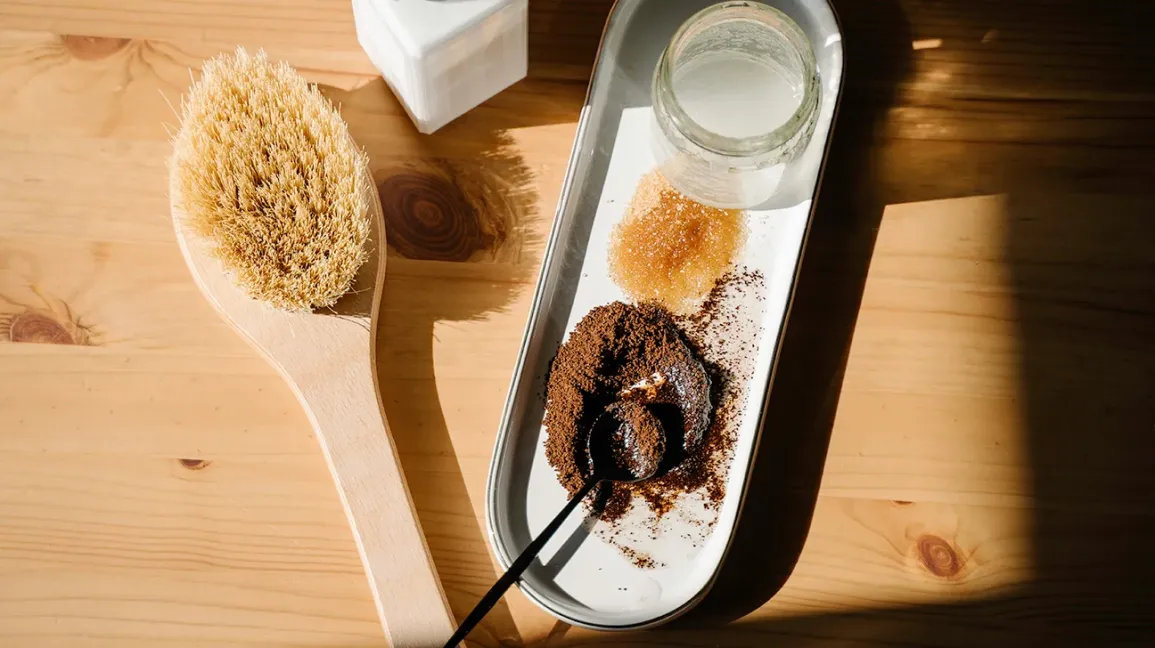
Achieving [glowing skin] doesn’t always require expensive products—your kitchen holds the key! Natural ingredients like sugar, coffee, and oatmeal can work wonders as exfoliants, removing dead skin cells and revealing a radiant complexion. In this guide, we’ll explore the 6 best kitchen ingredients for a DIY face scrub that’s gentle, effective, and free from harmful chemicals.
Why Choose a DIY Face Scrub?
Commercial scrubs often contain microplastics and synthetic additives that can irritate the skin. In contrast, a [homemade face scrub] offers:
Natural exfoliation without harsh chemicals
Cost-effective skincare solutions
Customizable for different skin types
Eco-friendly and sustainable
6 Best Kitchen Ingredients for a Glowing Face Scrub
1. Sugar | The Gentle Exfoliator
Sugar is a natural humectant that locks in moisture while gently sloughing off dead skin. It’s perfect for sensitive skin and helps in:
Removing blackheads
Improving skin texture
Boosting blood circulation
How to Use: Mix sugar with honey or coconut oil for a hydrating scrub.
2. Coffee Grounds | The Antioxidant Powerhouse
Coffee isn’t just for drinking—it’s packed with antioxidants that fight free radicals and reduce puffiness. Benefits include:
Reducing dark circles
Tightening skin
Enhancing glow
How to Use: Blend coffee grounds with yogurt for a revitalizing scrub.
3. Oatmeal | The Soothing Scrub
Oatmeal is ideal for dry or irritated skin due to its anti-inflammatory properties. It helps in:
Calming acne
Moisturizing deeply
Removing impurities
How to Use: Combine oatmeal with honey for a soothing face mask.
4. Baking Soda | The Deep Cleanser
Baking soda balances pH levels and acts as a natural exfoliant. It’s great for:
Unclogging pores
Fighting acne
Brightening dull skin
How to Use: Mix with water to form a paste and scrub gently.
5. Rice Flour | The Skin Brightener
Rice flour has been used in Asian beauty routines for centuries. It helps in:
Lightening dark spots
Smoothing fine lines
Absorbing excess oil
How to Use: Mix rice flour with rose water for a radiant glow.
6. Almond Powder | The Nourishing Scrub
Rich in vitamin E, almond powder nourishes and repairs skin. Benefits include:
Softening skin
Reducing pigmentation
Promoting cell renewal
How to Use: Blend almond powder with milk for a luxurious scrub.
How to Use DIY Face Scrubs Safely
Patch test before applying to the face
Exfoliate 2-3 times a week to avoid irritation
Follow up with moisturizer to lock in hydration
Avoid harsh scrubbing to prevent micro-tears
FAQs About DIY Face Scrubs
1. Can I use a DIY face scrub daily?
No, over-exfoliation can damage the skin barrier. Stick to 2-3 times a week.
2. Which ingredient is best for dry skin?
Oatmeal and honey are excellent for dry skin due to their moisturizing properties.
3. Is sugar scrub good for acne-prone skin?
Yes, but use finely ground sugar and avoid aggressive scrubbing.
4. Can coffee scrub reduce dark circles?
Yes, caffeine improves blood flow, reducing puffiness and dark circles.
5. How long can I store a homemade scrub?
Most DIY scrubs last up to a week in the fridge.
6. Is baking soda safe for sensitive skin?
No, it can be too harsh—opt for oatmeal or rice flour instead.
7. Can I use salt instead of sugar in my scrub?
Yes, but salt is more abrasive. Use finely ground sea salt for sensitive skin and avoid broken skin.
8. Will a DIY scrub help with blackheads?
Yes, ingredients like sugar, coffee, and baking soda help unclog pores and remove blackheads.
9. Can I add essential oils to my scrub?
Yes, but dilute them properly (1-2 drops per tablespoon of base) to avoid irritation.
10. Is lemon juice safe to mix in a face scrub?
Lemon juice can be drying and photosensitive—use sparingly and avoid sun exposure afterward.
11. How do I choose the right scrub for oily skin?
Opt for ingredients like rice flour, baking soda, or coffee, which absorb excess oil.
12. Can a DIY scrub replace my cleanser?
No, use a cleanser first to remove dirt, then scrub to exfoliate.
13. Will a honey scrub help with acne?
Yes, honey is antibacterial and soothes inflammation, making it great for acne-prone skin.
14. Can I use coconut oil in my scrub if I have acne?
Coconut oil is comedogenic for some—try jojoba or grapeseed oil instead.
15. How long should I scrub my face?
Gently massage for 30–60 seconds, then rinse to avoid irritation.
16. Can I use a DIY scrub on my body?
Yes! Coarser ingredients like salt or coffee work well for body scrubs.
17. Is turmeric safe to add to a face scrub?
Yes, but use a pinch to avoid staining (especially on fair skin).
18. Can a DIY scrub lighten dark spots?
Ingredients like rice flour, lemon (sparingly), and almond powder may help fade hyperpigmentation over time.
19. Should I moisturize after scrubbing?
Absolutely! Exfoliation can strip natural oils—follow up with a moisturizer.
20. Can I use yogurt in my scrub?
Yes, yogurt’s lactic acid gently exfoliates and brightens skin.
21. Will a DIY scrub work for mature skin?
Yes! Oatmeal, honey, and almond powder nourish and reduce fine lines.
22. Can I make a scrub without oil?
Yes, mix ingredients with water, aloe vera, or yogurt for an oil-free option.
23. How fine should sugar be for a face scrub?
Use finely granulated or powdered sugar to prevent micro-tears.
24. Can I use a scrub if I have rosacea?
Avoid harsh scrubs—try ground oatmeal or rice flour with gentle circular motions.
25. Does a coffee scrub stain skin?
No, but it may temporarily tint very fair skin—rinse thoroughly.
26. Can I use avocado in my scrub?
Yes! Mash ripe avocado with sugar for ultra-hydrating exfoliation.
27. Is a DIY scrub safe during pregnancy?
Avoid essential oils and harsh ingredients; stick to oatmeal or honey.
28. Can men use these scrubs?
Absolutely! DIY scrubs work for all skin types and genders.
29. Will cinnamon irritate my skin?
Cinnamon can be spicy—patch test first or avoid if sensitive.
30. Can I use brown sugar instead of white sugar?
Yes, brown sugar is gentler and contains more moisture-retaining properties.
31. How do I prevent my scrub from melting?
Store in an airtight jar in the fridge and avoid adding too much liquid.
32. Can I use a scrub before shaving my face?
Yes! Exfoliating pre-shave prevents ingrown hairs.
33. Is aloe vera good in a scrub?
Yes, aloe soothes and hydrates—mix with sugar or oatmeal.
34. Can a DIY scrub help with eczema?
Use only colloidal oatmeal and consult a dermatologist first.
35. Can I add vitamin E oil to my scrub?
Yes, it boosts hydration and healing—puncture a capsule and mix it in.
36. Will a scrub make my skin sun-sensitive?
Yes, always apply sunscreen after exfoliating, especially with citrus ingredients.
37. Can I use a scrub if I have open acne wounds?
No—wait until active breakouts heal to avoid further irritation.
38. How do I thicken a runny scrub?
Add more dry ingredients (sugar, flour) or refrigerate to solidify oils.
39. Can I use green tea in my scrub?
Yes! Blend dried green tea leaves with honey for antioxidant benefits.
40. What’s the best time to use a face scrub?
Evening is ideal, as skin repairs overnight—just avoid sun exposure after.
Conclusion
Switching to a DIY face scrub with natural kitchen ingredients is a game-changer for your skincare routine. Not only are these remedies affordable, but they also provide a chemical-free way to achieve [glowing skin]. Try these scrubs today and let your skin shine naturally!
Would you like any modifications or additional details? ��