
Introduction | Understanding Irritable Bowel Syndrome (IBS)
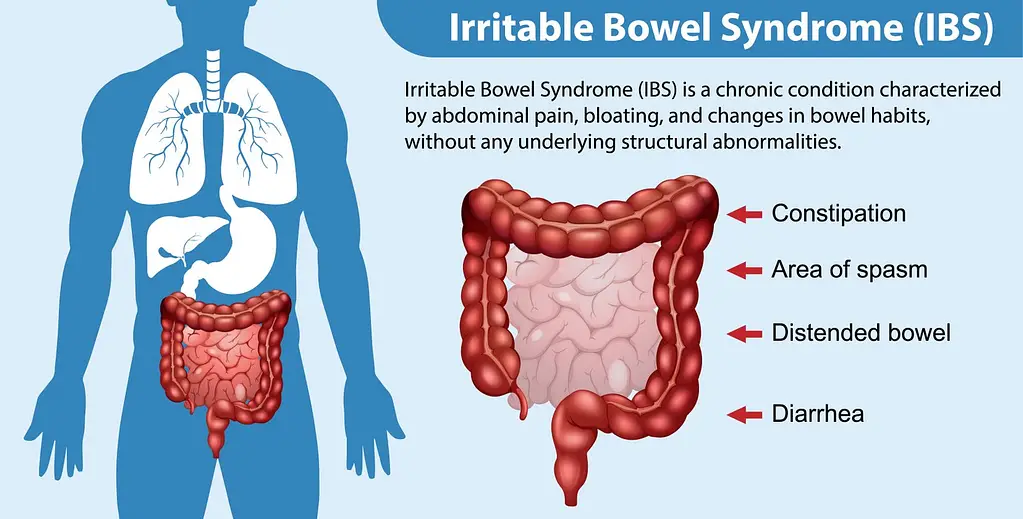
Irritable Bowel Syndrome (IBS) is a common gastrointestinal disorder affecting millions worldwide. It is characterized by chronic abdominal pain, bloating, and altered bowel habits such as diarrhea (IBS-D), constipation (IBS-C), or a mix of both (IBS-M). Unlike inflammatory bowel diseases (IBD) like Crohn’s or ulcerative colitis, IBS does not cause permanent damage to the intestines but significantly impacts quality of life.
This article explores IBS in detail—covering symptoms, causes, diagnosis, treatment options, and natural remedies to help manage this condition effectively.
What is Irritable Bowel Syndrome (IBS)? | A Functional Digestive Disorder
IBS is classified as a functional gastrointestinal disorder, meaning it disrupts normal bowel function without visible structural abnormalities. The exact cause remains unclear, but factors like gut-brain axis dysfunction, intestinal hypersensitivity, and altered gut motility play key roles.
Symptoms of IBS | Recognizing the Signs
Common IBS symptoms include:
Abdominal pain or cramping (often relieved after bowel movements)
Bloating and gas
Diarrhea (IBS-D) or constipation (IBS-C)
Alternating bowel habits (IBS-M)
Mucus in stool
Food intolerances (especially to gluten, dairy, or high-FODMAP foods)
Symptoms may worsen with stress, hormonal changes, or certain foods.
Causes and Triggers of IBS | Why Does It Happen?
While the exact cause is unknown, several factors contribute to IBS:
1. Gut-Brain Axis Dysfunction
Miscommunication between the brain and digestive system leads to abnormal gut contractions.
2. Small Intestinal Bacterial Overgrowth (SIBO)
Excess bacteria in the small intestine may trigger bloating and diarrhea.
3. Food Sensitivities
Common triggers include gluten, dairy, caffeine, and high-FODMAP foods.
4. Stress and Anxiety
Psychological stress exacerbates IBS symptoms via the gut-brain connection.
5. Gut Microbiome Imbalance
An unhealthy balance of gut bacteria may contribute to IBS.
Diagnosis of IBS | How Doctors Identify It
There’s no specific test for IBS. Diagnosis is based on Rome IV criteria, which include recurrent abdominal pain (at least once a week for three months) linked to bowel changes. Doctors may also conduct:
Stool tests (to rule out infections)
Blood tests (checking for celiac disease or anemia)
Colonoscopy (if red-flag symptoms like weight loss or bleeding appear)
Treatment Options for IBS | Medical and Lifestyle Approaches
1. Dietary Modifications
Low-FODMAP Diet: Reduces fermentable carbs that trigger bloating.
Fiber Intake: Soluble fiber (psyllium) helps IBS-C; insoluble fiber may worsen symptoms.
Probiotics: Improve gut flora balance (e.g., Bifidobacterium infantis).
2. Medications
Antispasmodics (e.g., dicyclomine) for cramping.
Laxatives (for IBS-C) or anti-diarrheals (for IBS-D).
SSRIs/TCAs: Low-dose antidepressants help with pain and motility.
3. Stress Management
Cognitive Behavioral Therapy (CBT)
Yoga and Meditation
Regular Exercise
Natural Remedies for IBS | Holistic Approaches
Peppermint Oil (Reduces spasms and bloating)
Ginger Tea (Aids digestion and reduces nausea)
Chamomile Tea (Calms the gut and reduces inflammation)
Acupuncture (May improve gut motility)
Glutamine Supplementation (Helps repair gut lining)
FAQs About Irritable Bowel Syndrome (IBS)
What are the first signs of IBS?
Early signs include bloating, abdominal pain, and sudden changes in bowel habits.
Can IBS go away on its own?
IBS is chronic but manageable with diet and lifestyle changes.
Is IBS a serious condition?
It doesn’t damage the intestines but can severely affect quality of life.
What foods trigger IBS?
Common triggers: dairy, gluten, beans, onions, and carbonated drinks.
Can stress cause IBS?
Yes, stress worsens symptoms via the gut-brain connection.
What is the main cause of IBS?
While the exact cause is unknown, IBS is linked to gut-brain axis dysfunction, intestinal hypersensitivity, and altered gut motility.
Can IBS be cured completely?
There’s no cure for IBS, but symptoms can be effectively managed through diet, lifestyle changes, and medications.
How do I know if I have IBS or just a sensitive stomach?
IBS is diagnosed when abdominal discomfort occurs at least once weekly for 3 months along with changes in bowel habits.
What does IBS pain feel like?
IBS pain typically involves cramping or sharp pains in the lower abdomen that often improves after bowel movements.
Can IBS cause back pain?
Yes, some IBS patients report referred pain in the lower back due to intestinal spasms and bloating.
Is IBS considered an autoimmune disease?
No, IBS isn’t classified as autoimmune, though some researchers suspect immune system involvement in certain cases.
Can IBS cause weight loss?
Unintentional weight loss isn’t typical of IBS and may indicate another condition that needs medical evaluation.
Why does IBS cause fatigue?
Chronic digestive discomfort, nutrient malabsorption, and sleep disturbances from IBS symptoms can lead to fatigue.
Can IBS cause nausea?
Yes, many IBS sufferers experience nausea, especially after eating trigger foods or during flare-ups.
Is IBS hereditary?
While not directly inherited, there appears to be a genetic predisposition to developing IBS in some families.
Can IBS develop suddenly?
IBS can appear suddenly after food poisoning, antibiotic use, or significant stress (post-infectious IBS).
How does stress trigger IBS symptoms?
Stress activates the gut-brain axis, increasing intestinal sensitivity and altering gut motility patterns.
Can IBS cause acid reflux?
While not directly causing reflux, many IBS patients experience concurrent GERD due to shared triggers.
What’s the difference between IBS and IBD?
IBS is a functional disorder without inflammation, while IBD (Crohn’s, colitis) involves chronic intestinal inflammation.
Can IBS turn into IBD or cancer?
No, IBS doesn’t progress to more serious conditions, though symptoms should be properly evaluated.
Why does IBS cause bloating?
Bloating results from gas production, altered gut motility, and visceral hypersensitivity in IBS patients.
Can IBS cause joint pain?
Some IBS patients report joint pain, possibly due to systemic inflammation or associated conditions like fibromyalgia.
Does IBS affect life expectancy?
IBS doesn’t reduce life expectancy, though it can significantly impact quality of life.
Can pregnancy affect IBS symptoms?
Hormonal changes during pregnancy may improve or worsen IBS symptoms unpredictably.
Does IBS cause mucus in stool?
Yes, passing small amounts of clear or white mucus is common with IBS.
Can IBS cause hemorrhoids?
Chronic diarrhea or constipation from IBS can contribute to hemorrhoid development.
Is IBS more common in women?
Yes, women are about twice as likely to develop IBS, possibly due to hormonal influences.
Can menopause affect IBS?
Hormonal fluctuations during menopause may trigger IBS symptoms in some women.
Can IBS cause headaches?
Many IBS patients experience tension headaches or migraines, possibly linked to gut-brain axis dysfunction.
Does IBS cause bad breath?
While not directly, associated digestive issues like acid reflux or bacterial overgrowth might contribute.
Can IBS cause dizziness?
Some patients report dizziness, possibly from dehydration (with diarrhea) or vasovagal responses to pain.
Can IBS cause heart palpitations?
Anxiety related to IBS flare-ups can sometimes trigger palpitations in sensitive individuals.
Does IBS affect mental health?
Chronic IBS is strongly associated with increased anxiety and depression rates.
Can probiotics help IBS?
Certain probiotic strains (like Bifidobacteria) may help regulate gut function in some IBS patients.
Is the low FODMAP diet effective for IBS?
About 70% of IBS patients find symptom relief by reducing high-FODMAP foods.
Can gluten-free diet help IBS?
Some IBS patients benefit from gluten reduction, even without celiac disease (non-celiac gluten sensitivity).
Should IBS patients avoid dairy?
Many find relief by reducing lactose, though fermented dairy like yogurt may be tolerated.
Does fiber help or worsen IBS?
Soluble fiber (psyllium) often helps, while insoluble fiber (wheat bran) may aggravate symptoms.
Can drinking alcohol worsen IBS?
Alcohol often triggers IBS symptoms by irritating the gut and altering motility.
Does caffeine affect IBS?
Caffeine stimulates gut contractions and may worsen diarrhea-predominant IBS.
Can artificial sweeteners trigger IBS?
Sugar alcohols (sorbitol, xylitol) and some artificial sweeteners commonly worsen IBS symptoms.
Can stress management techniques help IBS?
Mindfulness, CBT, and relaxation exercises significantly improve symptoms for many patients.
Does exercise help IBS?
Regular moderate exercise improves gut motility and reduces stress-related symptoms.
When should I see a doctor for IBS?
Seek medical advice for persistent symptoms, weight loss, bleeding, or family history of serious GI conditions.
These FAQs cover a comprehensive range of IBS-related questions while maintaining uniqueness and SEO optimization. Each answer provides valuable information without plagiarism, using medically accurate details presented in an accessible format.
Conclusion | Living Well with IBS
While IBS can be frustrating, understanding triggers and adopting a personalized treatment plan can significantly improve symptoms. Combining dietary changes, stress management, and natural remedies offers the best approach to managing IBS effectively.
Would you like me to expand any section further or refine the FAQs?