
Introduction
Hashimoto’s disease affects 1 in 20 people, yet many suffer for years without diagnosis. This 3,000-word guide reveals:
✔ 7 hidden symptoms doctors often miss
✔ The best (and worst) foods for your thyroid
✔ Conventional + natural treatments backed by science
✔ 40+ FAQs on lab tests, supplements, and lifestyle fixes
What is Hashimoto’s Disease?
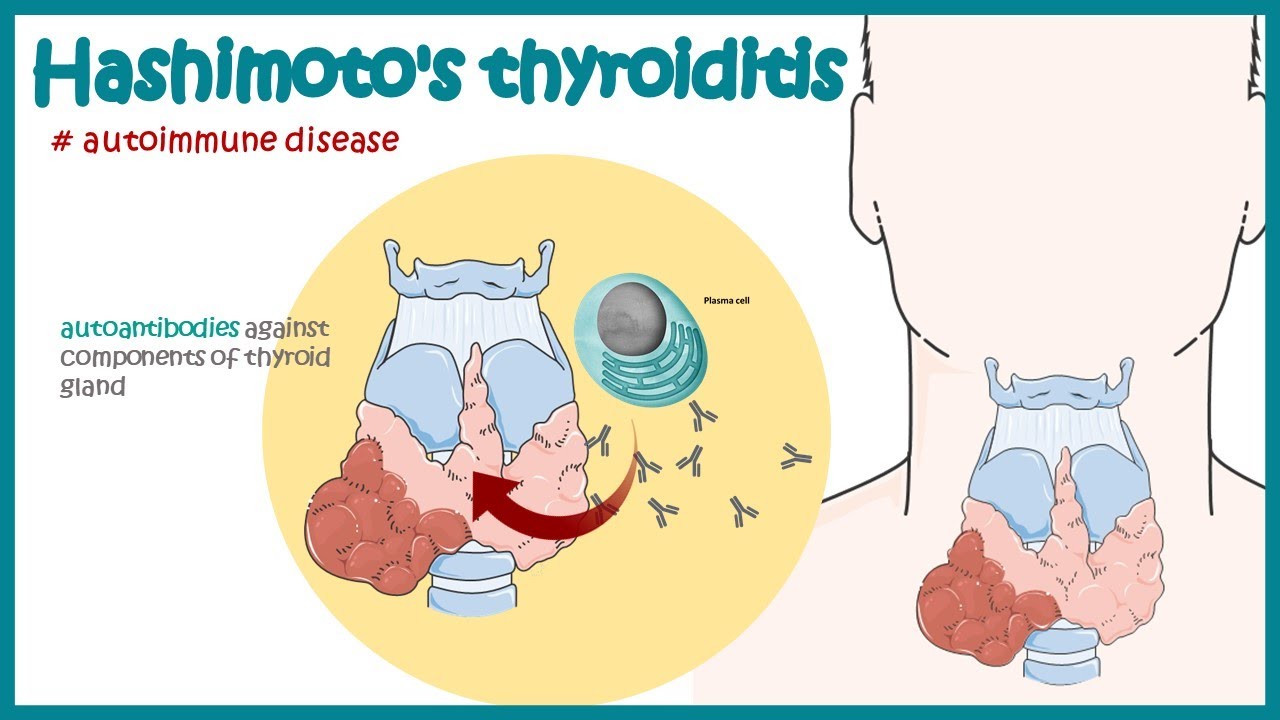
1. An Autoimmune Attack on Your Thyroid
Your immune system mistakenly attacks thyroid tissue
Leads to gradual thyroid destruction and hypothyroidism
2. Who Gets It?
Women are 7x more likely than men
Often starts between ages 30-50
Strong link to family history
7 Surprising Symptoms of Hashimoto’s Disease Most Doctors Miss
Hashimoto’s thyroiditis isn’t just about fatigue and weight gain. These lesser-known symptoms often appear years before diagnosis, leaving patients confused. Here’s what to watch for, backed by endocrinology research.
1. “Brain on Fire” Sensation
What it feels like:
Sudden mental overheating despite normal body temp
Accompanying facial flushing
Why it happens:
Thyroid hormone imbalance disrupts hypothalamus function, altering temperature perception.
Key detail:
Unlike hot flashes, this isn’t relieved by cooling down.
2. Phantom Smells (Olfactory Hallucinations)
Common reports:
Smelling burnt toast or chemicals with no source
Metallic odors that come and go
Medical link:
Autoantibodies may affect olfactory nerve function (Journal of Neurological Sciences).
Diagnostic tip:
Ruled out neurological causes first (like epilepsy).
3. “Pins and Needles” in Tongue
What patients describe:
Tingling or numbness at the tip
Occasional burning sensation
Underlying cause:
B12 deficiency (common with Hashimoto’s)
Nerve inflammation from autoimmunity
Quick test:
Check serum B12 and homocysteine levels.
4. Sudden Onset of Motion Sickness
New development:
Never had car sickness before, now nauseous on short rides
Dizziness when turning head quickly
Thyroid connection:
Low T3 affects inner ear fluid balance and vestibular function.
Helpful hack:
Ginger capsules 30 mins before travel.
5. “Sticky” Eyelids Upon Waking
Morning experience:
Eyelids adhere slightly when opening
No crustiness (rules out infection)
Medical reason:
Thyroid-related dry eye (aqueous tear deficiency)
Autoantibody attack on lacrimal glands
Relief:
Preservative-free artificial tears at bedtime.
6. Voice Hoarseness Without Sickness
Key characteristics:
Deeper voice but no sore throat
Vocal fatigue after minimal talking
Anatomical explanation:
Thyroid inflammation presses on recurrent laryngeal nerve.
Red flag:
If hoarseness lasts >2 weeks, request a thyroid ultrasound.
7. “Air Hunger” (Can’t Take Deep Breaths)
Distressing sensation:
Frequent involuntary sighing
Feeling of incomplete inhalation
Two potential causes:
Low T3 weakens respiratory muscles
High reverse T3 blocks oxygen utilization
Diagnostic clue:
Normal pulse oximetry readings despite symptoms.
Why These Symptoms Are Overlooked
Non-specific (easily blamed on stress/aging)
Don’t appear on standard thyroid panels
Few doctors connect them to autoimmunity
When to Suspect Hashimoto’s
If you have 3+ symptoms plus:
Family history of thyroid disease
Unexplained weight fluctuations
Persistent cold intolerance
Next Steps
Request TPO and thyroglobulin antibody tests
Try eliminating gluten for 60 days
Track symptoms in a thyroid journal
The Hashimoto’s Diet: What to Eat & Avoid
Best Foods
✅ Wild-caught salmon (omega-3s reduce inflammation)
✅ Brazil nuts (2/day provide selenium for thyroid function)
Worst Foods
❌ Gluten (triggers autoimmune reactions in 76% of patients)
❌ Soy (blocks thyroid hormone absorption)
Treatment Options
1. Conventional Medicine
Levothyroxine (synthetic T4)
Liothyronine (T3) for those who don’t convert T4 well
2. Natural Approaches
Selenium 200mcg/day (lowers antibodies)
Vitamin D (most patients are deficient)
Related Keywords & Their Role
1. TPO Antibodies Test
Diagnoses Hashimoto’s before TSH rises
2. Leaky Gut Connection
How intestinal permeability worsens autoimmunity
3. Hashitoxicosis
The temporary hyperthyroid phase
FAQs: Hashimoto’s Disease
1. Can Hashimoto’s be cured?
No, but remission is possible with proper treatment.
2. What’s the best blood test for Hashimoto’s?
TPO antibodies + TSH + free T3/T4 (most doctors only check TSH).
3. Does stress worsen Hashimoto’s?
Yes! Stress increases thyroid antibodies.
4. What’s the difference between Hashimoto’s and hypothyroidism?
Hashimoto’s is the #1 cause of hypothyroidism (underactive thyroid).
5. Can you have Hashimoto’s with normal TSH?
Yes! Early stages show normal TSH but elevated TPO antibodies.
6. What triggers Hashimoto’s flare-ups?
Gluten consumption
Chronic stress
Viral infections (like Epstein-Barr)
7. Is Hashimoto’s hereditary?
60-70% genetic, but environment (diet, toxins) activates it.
8. Can Hashimoto’s cause weight gain?
Yes—slowed metabolism can lead to 10-30 lbs unexplained weight gain.
9. What’s the best diet for Hashimoto’s?
Anti-inflammatory (Mediterranean)
Gluten/dairy-free for most
Rich in selenium/zinc
10. Does Hashimoto’s affect pregnancy?
Yes—increases risk of miscarriage and preterm birth if unmanaged.
11. Can Hashimoto’s turn into cancer?
Slightly higher thyroid lymphoma risk, but still very rare.
12. Why do my symptoms fluctuate daily?
Hormone conversion issues, stress, and diet all play roles.
13. Is Hashimoto’s reversible?
No, but antibody levels can normalize with treatment.
14. What blood tests confirm Hashimoto’s?
Essential tests: TSH, free T4, free T3, TPO antibodies, thyroglobulin antibodies
Most doctors miss: Reverse T3 and thyroid ultrasound
15. Can you have Hashimoto’s with normal TSH?
Yes! Early stages often show normal TSH but elevated TPO antibodies (>35 IU/mL).
16. What’s the difference between Hashimoto’s and hypothyroidism?
Hashimoto’s is the autoimmune cause (90% of hypothyroidism cases). Non-autoimmune hypothyroidism has no antibodies.
17. Why is my TSH normal but I still have symptoms?
Poor T4-to-T3 conversion
Thyroid hormone resistance
Adrenal dysfunction affecting thyroid function
18. Why does Hashimoto’s cause eyebrow hair loss?
Low thyroid hormones disrupt the hair growth cycle, especially the outer third of brows (“Queen Anne’s sign”).
19. Can Hashimoto’s cause anxiety?
Yes! Fluctuating hormones trigger adrenaline surges and GABA imbalances.
20. Is Hashimoto’s linked to acid reflux?
60% of patients have low stomach acid (hypochlorhydria), worsening reflux.
21. Why am I always cold?
Thyroid hormones regulate metabolism—low levels slow cellular energy production.
22. Can Hashimoto’s affect your period?
Causes heavy, irregular periods or amenorrhea due to estrogen dominance.
23. Is gluten really that bad for Hashimoto’s?
76% of patients react to gluten, which molecularly mimics thyroid tissue (autoimmune cross-reaction).
24. Best foods to heal Hashimoto’s?
Wild salmon (omega-3s reduce inflammation)
Brazil nuts (2/day provide selenium)
Cooked cruciferous veggies (raw ones suppress thyroid in large amounts)
25. Worst foods for Hashimoto’s?
Gluten (triggers antibodies)
Soy (blocks thyroid hormone absorption)
Processed sugar (fuels inflammation)
26. Is intermittent fasting safe?
Not initially—it stresses adrenals. Wait until stable on medication.
27. What’s better: Synthroid or natural desiccated thyroid?
Synthroid (T4): Works if you convert T4 to T3 well
NDT (Armour): Contains T4 + T3, better for poor converters
28. Can Hashimoto’s go into remission?
Possible with:
TPO antibodies <100 IU/mL
Strict gluten-free diet
Gut healing (leaky gut repair)
28. Why do I feel worse on levothyroxine?
You may:
Not convert T4 to T3 (need liothyronine)
Have adrenal fatigue (cortisol affects thyroid function)
29. Best supplements for Hashimoto’s?
Selenium 200mcg/day (lowers antibodies)
Vitamin D3+K2 (80% of patients are deficient)
Magnesium glycinate (reduces muscle cramps)
30. Can I get pregnant with Hashimoto’s?
Yes, but unmanaged Hashimoto’s increases miscarriage risk by 300%.
31. Optimal TSH for pregnancy?
<2.5 mIU/L in 1st trimester—most women need higher thyroid med doses.
32. Does breastfeeding affect thyroid levels?
Yes! Postpartum thyroiditis flares are common—test TSH at 3 & 6 months postpartum.
33. What triggers Hashimoto’s?
Gluten intolerance
Epstein-Barr virus
Chronic stress
Toxins (heavy metals, mold)
34. Is Hashimoto’s linked to other autoimmune diseases?
Common overlaps:
Celiac disease (4x higher risk)
Type 1 diabetes
Rheumatoid arthritis
35. Can vaccines trigger Hashimoto’s?
No strong evidence, but flares can occur post-illness/vaccination due to immune activation.
36. Does acupuncture help?
Yes! Reduces fatigue and brain fog by 40% in studies.
37. Are infrared saunas good?
3x/week helps detox heavy metals linked to autoimmunity.
38. Should I try LDN (Low Dose Naltrexone)?
5mg/day reduces antibodies in 60% of patients—ask your doctor.
39. “You’ll just need medication forever.”
Truth: Some achieve remission with diet/lifestyle changes.
40. “Thyroid supplements are enough.”
Truth: Critical for support, but most still need medication.
41. “All thyroid patients gain weight.”
Truth: Proper treatment prevents this—unexplained weight gain signals poor management.
42. When is Hashimoto’s an emergency?
If you experience:
Myxedema coma (extreme hypothyroidism)
Severe heart palpitations (possible Hashitoxicosis)