
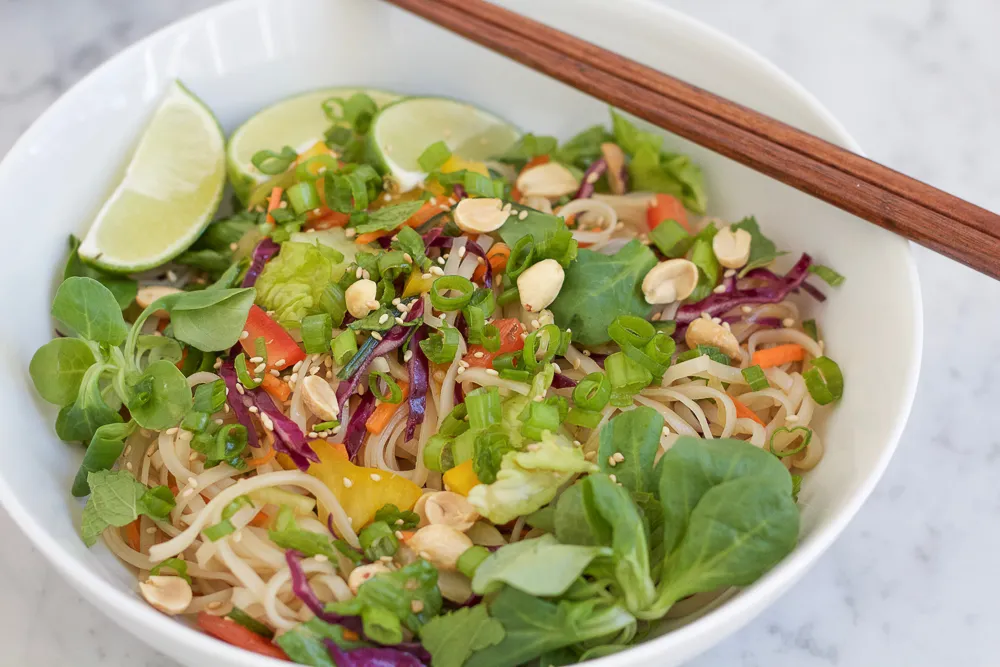
Korean cuisine is famous for its bold flavors, vibrant colors, and health benefits. If you’re looking for light, nutritious, and hydrating meal options, Korean salads are a perfect choice. Packed with fresh vegetables, fermented ingredients, and flavorful dressings, these salads help boost digestion, immunity, and hydration.
In this article, we’ll explore 4 delicious Korean salad recipes that are easy to make, nutrient-rich, and perfect for any season.
Why Korean Salads Are Great for Health?
Korean salads are not just tasty but also incredibly healthy. Here’s why:
✅ Rich in probiotics (thanks to fermented ingredients like kimchi)
✅ High in fiber (from fresh vegetables and sprouts)
✅ Low in calories (great for weight management)
✅ Hydrating (cucumber, radish, and lettuce have high water content)
✅ Packed with antioxidants (from garlic, ginger, and sesame oil)
Now, let’s dive into the recipes!
1. Korean Cucumber Salad (Oi Muchim)
Ingredients:
2 cucumbers (thinly sliced)
1 tsp salt
1 tbsp gochugaru (Korean red pepper flakes)
1 tbsp rice vinegar
1 tsp sugar
1 tsp minced garlic
1 tsp sesame oil
1 tbsp toasted sesame seeds
Instructions:
Slice cucumbers thinly and sprinkle with salt. Let them sit for 10 minutes to remove excess water.
Rinse and drain cucumbers.
In a bowl, mix gochugaru, rice vinegar, sugar, garlic, and sesame oil.
Toss cucumbers in the dressing and garnish with sesame seeds.
Serve chilled.
Why You’ll Love It:
This salad is crunchy, spicy, and hydrating, making it a perfect side dish for any Korean meal.
2. Korean Spinach Salad (Sigeumchi Namul)
Ingredients:
200g spinach
1 tbsp soy sauce
1 tsp sesame oil
1 tsp minced garlic
1 tsp toasted sesame seeds
½ tsp sugar
Instructions:
Blanch spinach in boiling water for 30 seconds, then rinse in cold water.
Squeeze out excess water and chop.
Mix soy sauce, sesame oil, garlic, sugar, and sesame seeds.
Toss spinach in the dressing and serve.
Why You’ll Love It:
This nutrient-packed salad is rich in iron and perfect for a quick, healthy side dish.
3. Korean Bean Sprout Salad (Kongnamul Muchim)
Ingredients:
2 cups bean sprouts
1 tbsp soy sauce
1 tsp sesame oil
1 tsp minced garlic
1 tsp sesame seeds
½ tsp gochugaru (optional)
Instructions:
Boil bean sprouts for 2 minutes, then drain and cool.
Mix soy sauce, sesame oil, garlic, and sesame seeds.
Toss bean sprouts in the dressing.
Sprinkle with gochugaru for extra spice (optional).
Why You’ll Love It:
This salad is crunchy, light, and full of protein, making it great for digestion.
4. Korean Seaweed Salad (Miyeok Muchim)
Ingredients:
1 cup dried seaweed (miyeok)
2 tbsp soy sauce
1 tbsp vinegar
1 tbsp sugar
1 tsp minced garlic
1 tsp sesame oil
1 tbsp sesame seeds
Instructions:
Soak dried seaweed in water for 10 minutes, then drain.
Cut into bite-sized pieces.
Mix soy sauce, vinegar, sugar, garlic, and sesame oil.
Toss seaweed in the dressing and sprinkle sesame seeds.
Why You’ll Love It:
This salad is rich in iodine and minerals, supporting thyroid health.
FAQs About Korean Salads
What makes Korean salads different from Western salads?
Korean salads often feature fermented ingredients (like kimchi), bold seasonings (gochujang, sesame oil), and quick-pickled vegetables, offering more complex flavors and gut-health benefits.
Are Korean salads low in calories?
Most are! They’re vegetable-based with light dressings. For example, a serving of oi muchim (cucumber salad) has ~50 calories.
Can I substitute gochugaru (Korean chili flakes) in recipes?
Yes! Use cayenne pepper or paprika for mild heat, but adjust quantities (gochugaru is milder than cayenne).
How long do Korean salads last in the fridge?
2–3 days for fresh salads (like spinach namul), but fermented ones (kimchi salad) last weeks.
What’s the best vinegar for Korean salad dressings?
Rice vinegar (mild and slightly sweet) is traditional, but apple cider vinegar works too.
Are Korean salads gluten-free?
Most are, but check soy sauce labels (use tamari for gluten-free versions).
Can I use regular cucumbers instead of Korean cucumbers?
Yes, but Korean cucumbers are crunchier and less watery. Seedless English cucumbers are a good substitute.
Why is sesame oil essential in Korean salads?
It adds nutty richness and healthy fats. Toasted sesame oil has the best flavor.
Can I make Korean salads ahead for meal prep?
Yes! Store undressed greens separately. Dressings can sit for up to 3 days.
What’s a good protein addition to Korean salads?
Try grilled tofu, bulgogi beef, or boiled eggs for a balanced meal.
How do I reduce sodium in Korean salads?
Use low-sodium soy sauce or dilute regular soy sauce with water (1:1 ratio).
Can I freeze Korean salads?
Not recommended—fresh veggies become mushy after thawing. Fermented salads (kimchi) freeze better.
What’s the secret to crispy bean sprout salad (kongnamul muchim)?
Blanch sprouts for just 2 minutes and rinse in ice water to retain crunch.
Is kimchi salad the same as regular kimchi?
Kimchi salad is often a quicker, less fermented version with chopped kimchi mixed with fresh veggies.
Can I use honey instead of sugar in dressings?
Yes! Swap sugar 1:1 with honey for a natural sweetener.
What’s a good low-spice alternative to gochujang?
Mix miso paste with a bit of maple syrup for umami without heat.
Why are Korean salads often served as banchan (side dishes)?
They balance rich main courses (like BBQ) with refreshing, digestive-aiding flavors.
Can I use olive oil instead of sesame oil?
Yes, but the flavor will differ. For authenticity, use at least 50% sesame oil.
How do I make my seaweed salad less slippery?
Rinse soaked seaweed thoroughly and squeeze out excess water before dressing.
Are Korean salads keto-friendly?
Many are! Avoid sugary dressings and focus on high-fiber veggies like spinach and cucumbers.
What’s the best way to slice cucumbers for oi muchim?
Thin diagonal slices or julienne strips maximize surface area for dressing absorption.
Can I add fruit to Korean salads?
Yes! Asian pear or apple pairs well with spicy dressings for sweetness.
Why do some Korean salads use fermented soybean paste (doenjang)?
It adds deep umami flavor and probiotics (like in ssamjang salad).
How do I fix an overly salty Korean salad?
Add more veggies or a splash of water/vinegar to dilute. Toss in avocado to mellow saltiness.
Can I use pre-packaged kimchi for kimchi salad?
Absolutely! Chop it finely and mix with fresh greens for texture contrast.
What’s a good nut-free alternative to sesame seeds?
Toasted sunflower seeds or pumpkin seeds add similar crunch.
Are Korean salads good for gut health?
Yes! Fermented ingredients (kimchi, doenjang) are rich in probiotics.
Can I use frozen spinach for sigeumchi namul?
Yes, but thaw and squeeze out all water to prevent a soggy salad.
What’s the best way to store dressed Korean salads?
In airtight glass containers to preserve freshness and prevent odor absorption.
Can I make Korean salads without garlic?
Yes, but garlic is key for flavor. Substitute with a pinch of asafoetida or ginger.
Why is my bean sprout salad bitter?
Overcooking sprouts causes bitterness. Blanch briefly (2 minutes max).
Can I use lime instead of vinegar in dressings?
Yes! Lime adds a bright, citrusy twist (use 1:1 ratio).
What’s a good Korean salad for beginners?
Oi muchim (cucumber salad)—only 5 ingredients and no cooking required!
How do I make my salad more filling?
Add quinoa, brown rice, or glass noodles (dangmyeon) for carbs.
Can I use balsamic vinegar in Korean dressings?
Not traditional, but a tiny amount can add depth (mix with rice vinegar).
Why is my seaweed salad too chewy?
Over-soaking seaweed makes it rubbery. Soak just until tender (~10 minutes).
Are Korean salads diabetic-friendly?
Most are low-glycemic, but reduce sugar in dressings or use stevia.
Can I add cheese to Korean salads?
Not traditional, but crumbled feta pairs surprisingly well with spicy dressings!
What’s the best Korean salad for hydration?
Miyeok muchim (seaweed salad)—seaweed is packed with electrolytes.
Can I use pre-minced garlic from a jar?
Fresh garlic tastes best, but jarred works in a pinch (use ½ the amount).
How do I make my salad less oily?
Reduce sesame oil by half and add a splash of water or citrus juice.
Final Thoughts
Korean salads are a fantastic way to stay healthy, hydrated, and energized. Whether you prefer something spicy, tangy, or mild, these four recipes offer a perfect balance of flavor and nutrition. Try them today and enjoy a refreshing, nutrient-packed meal!
Would you like a downloadable recipe card for these salads? Let us know in the comments!