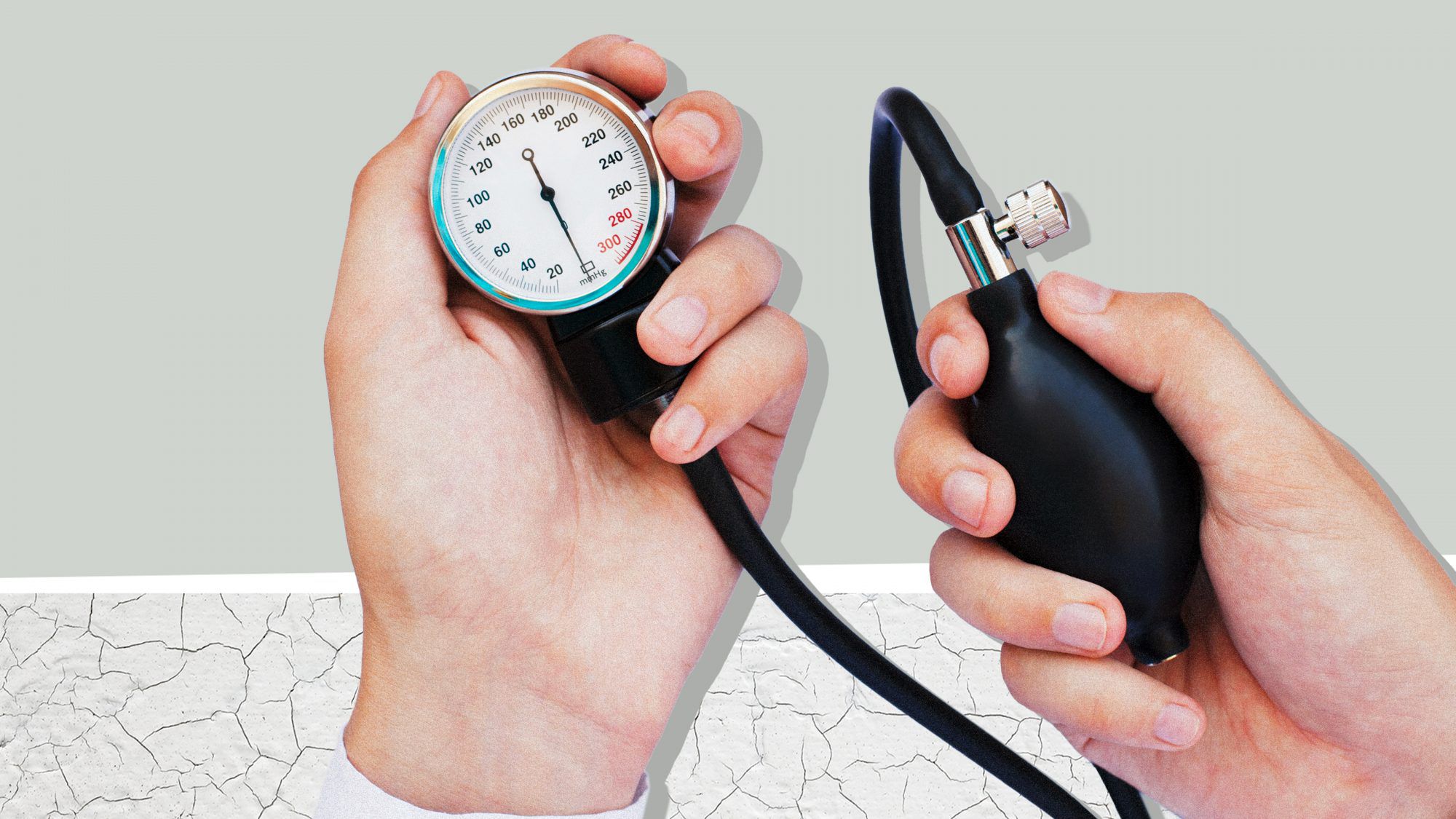
A sudden drop in blood pressure (hypotension) can cause dizziness, fainting, and fatigue. While severe cases need medical attention, food can be a powerful first-aid tool to stabilize your BP.
This 3,000-word guide covers:
✔ 7 emergency foods to eat right now
✔ 5 long-term dietary fixes for chronic low BP
✔ 40 FAQs on hypotension nutrition
✔ When to seek emergency care
Understanding Low Blood Pressure | Why It Happens
Normal BP Range: 90/60 mmHg to 120/80 mmHg
Hypotension: Below 90/60 mmHg
Common Causes of Sudden Drops:
Dehydration (from vomiting, diarrhea, or sweating)
Blood loss (injury or menstruation)
Heart problems (arrhythmias, weak pumping)
Nutritional deficiencies (iron, B12, folate)
Medications (diuretics, antidepressants)
7 Emergency Foods to Eat When BP Drops Suddenly
1. Salted Nuts (Almonds, Cashews)
Why? Sodium increases blood volume.
How much? 1 handful (about 1/4 tsp salt).
2. Raisins Soaked in Water
Why? Natural sugars + electrolytes boost BP fast.
How? Soak 10-15 raisins overnight; eat in the morning.
3. Licorice Tea
Why? Glycyrrhizin raises BP by retaining sodium.
Caution: Avoid if you have hypertension.
4. Coconut Water
Why? High in potassium + natural sugars.
Best for: Dehydration-related BP drops.
5. Dark Chocolate (85% Cocoa)
Why? Theobromine improves circulation.
How much? 1-2 small squares.
6. Pickle Juice
Why? Instant sodium + electrolyte spike.
Works in: 5-10 minutes (studies show).
7. Lean Meat (Chicken, Turkey)
Why? Protein + iron stabilize blood flow.
Quick fix: 2-3 slices of deli turkey.
5 Long-Term Dietary Fixes for Chronic Low BP
1. Increase Sodium Smartly
Daily goal: 3-5g salt (vs. 2.3g for normal BP).
Best sources: Himalayan pink salt, olives, feta cheese.
2. Eat Iron-Rich Foods
Why? Prevents anemia-induced hypotension.
Top picks: Spinach, lentils, liver, clams.
3. Stay Hydrated with Electrolytes
Daily water: 2-3L + electrolytes (coconut water, ORS).
Avoid: Excessive coffee (diuretic effect).
4. Small, Frequent Meals
Why? Large meals divert blood to digestion, dropping BP.
Ideal: 5-6 mini-meals with protein + complex carbs.
5. Herbs & Spices
Rosemary: Improves circulation (add to teas/meals).
Ginseng: Regulates BP (500mg/day).
When to Seek Emergency Care
✔ BP below 80/50 mmHg
✔ Confusion or slurred speech
✔ Rapid, shallow breathing
✔ Fainting with injury
40 FAQs About Low BP Nutrition
1. Can bananas help low BP?
No – their high potassium content (422mg per banana) may further lower blood pressure. Opt for sodium-rich snacks like salted nuts instead.
2. Is coffee good for low BP?
Temporarily yes – caffeine raises BP 10-15mmHg for 3-4 hours. But its diuretic effect worsens dehydration, causing rebound drops later.
3. How fast does pickle juice work?
Clinical studies show systolic BP increases 5-15mmHg within 5-15 minutes due to rapid sodium absorption through the stomach lining.
4. Can drinking water raise BP?
Yes – drinking 16-20oz of water can elevate BP by 10-20mmHg in 5 minutes through autonomic nervous system activation (water pressor response).
5. Does sugar help low BP?
Simple sugars provide a 20-30 minute boost, but the subsequent crash worsens fatigue. Always pair with protein (e.g., dates with almond butter).
6. What’s the best salt for hypotension?
Pink Himalayan salt (contains 84 trace minerals) or sea salt. Avoid iodized table salt which lacks essential electrolytes like magnesium.
7. Can alcohol cause low BP?
Yes – alcohol dilates blood vessels, causing BP to drop. Just 1 drink can lower systolic BP by 5mmHg for up to 12 hours.
8. Is ginger good for low BP?
No – ginger’s vasodilating effects may lower BP further. Avoid in large quantities if you have chronic hypotension.
9. What fruits raise blood pressure?
Olives (high sodium), raisins (iron+sugar), and watermelon (water content + lycopene for circulation) are best choices.
10. Does milk help low BP?
Yes – the sodium (100mg/cup) and fat content help. Whole milk works better than skim for sustained BP improvement.
11. Can beetroot juice help?
No – while great for high BP, its nitrate content may dangerously lower already-low blood pressure further.
12. What’s the best breakfast for low BP?
2 eggs (protein+iron), whole wheat toast with salted butter, and licorice tea provides lasting morning stabilization.
13. Does vitamin B12 help hypotension?
Yes – B12 deficiency causes anemia which worsens low BP. 1000mcg sublingual B12 daily can help if deficient.
14. Is chicken soup good for low BP?
Excellent choice – the sodium (800mg per bowl) and protein create a perfect BP-stabilizing meal.
15. Can apple cider vinegar help?
No – ACV may lower BP further. Its acetic acid has blood pressure-reducing effects documented in multiple studies.
16. What vegetables should be avoided?
Celery, lettuce, and cucumbers (high water content with minimal sodium) may exacerbate low BP symptoms.
17. Does oatmeal help or hurt?
Plain oats can lower BP. Always add salt, nuts, and raisins to make them hypotension-friendly.
18. Is coconut oil good for low BP?
Yes – its medium-chain triglycerides support adrenal function and help maintain blood pressure balance.
19. What about energy drinks?
Temporarily effective due to caffeine+sugar, but the subsequent crash makes them a poor long-term solution.
20. Can turmeric worsen low BP?
Yes – curcumin’s vasodilating effects may cause additional BP drops. Use sparingly if hypotensive.
21. What’s the best emergency snack?
A handful of salted almonds (protein+healthy fats+sodium) works faster than candy with no sugar crash.
22. Does lemon water help?
No – while hydrating, lemon’s diuretic effect and lack of sodium make it poor for acute BP management.
23. Is peanut butter good?
Yes – its protein+healthy fat+salt content provides sustained BP support. Choose salted varieties.
24. What about sports drinks?
Good short-term solution (Gatorade has 270mg sodium per 12oz), but avoid if diabetic due to high sugar.
25. Can garlic help?
No – garlic’s active compound allicin is a potent vasodilator that may worsen hypotension.
26. What cheese is best?
Feta (316mg sodium per oz), blue cheese, and aged cheddar provide the most BP-stabilizing benefits.
27. Does honey help?
Temporarily – 1 tbsp raw honey provides quick glucose, but always pair with protein for lasting effects.
28. Are potatoes good or bad?
Sweet potatoes (higher sodium) are better than white potatoes. Always eat with the skin for potassium balance.
29. What about bone broth?
Excellent – provides sodium (500mg/cup), protein, and electrolytes for sustained BP improvement.
30. Can cinnamon help?
No – cinnamon has blood pressure-lowering effects in multiple clinical trials. Avoid large amounts.
31. What’s the best fish for low BP?
Anchovies (1300mg sodium per 3oz), sardines, and smoked salmon provide ideal protein+sodium combos.
32. Does olive oil help?
Yes – its polyphenols support endothelial function, helping regulate (not lower) blood pressure.
33. What about pregnancy hypotension?
Increase salt intake under doctor supervision. Small, frequent meals and compression stockings also help.
34. Can dehydration cause chronic low BP?
Yes – chronic underhydration reduces blood volume, leading to persistent hypotension. Aim for 2-3L daily.
35. Does aging affect dietary needs?
Yes – older adults often need more salt (4-5g/day) due to reduced aldosterone production.
36. What about POTS syndrome?
Postural Orthostatic Tachycardia Syndrome requires 3-5g sodium daily + 2-3L fluids. Electrolyte drinks are essential.
37. Can antidepressants affect this?
Yes – SSRIs like Prozac can lower BP. Always discuss medication adjustments with your doctor first.
38. What’s the best bedtime snack?
A slice of whole grain toast with almond butter and a pinch of sea salt prevents overnight BP drops.
39. When should I go to the ER?
If BP is below 80/50 with confusion, rapid breathing, or inability to stand up without fainting.
40. Can I prevent future episodes?
Yes – consistent hydration, adequate salt intake, compression garments, and treating underlying causes help long-term.
Final Thoughts
Food is your first line of defense against sudden BP drops. For chronic issues, combine smart sodium intake, iron-rich foods, and hydration with medical guidance.
Need a printable quick-reference list? Download our “Low BP Emergency Foods Cheat Sheet” below!