
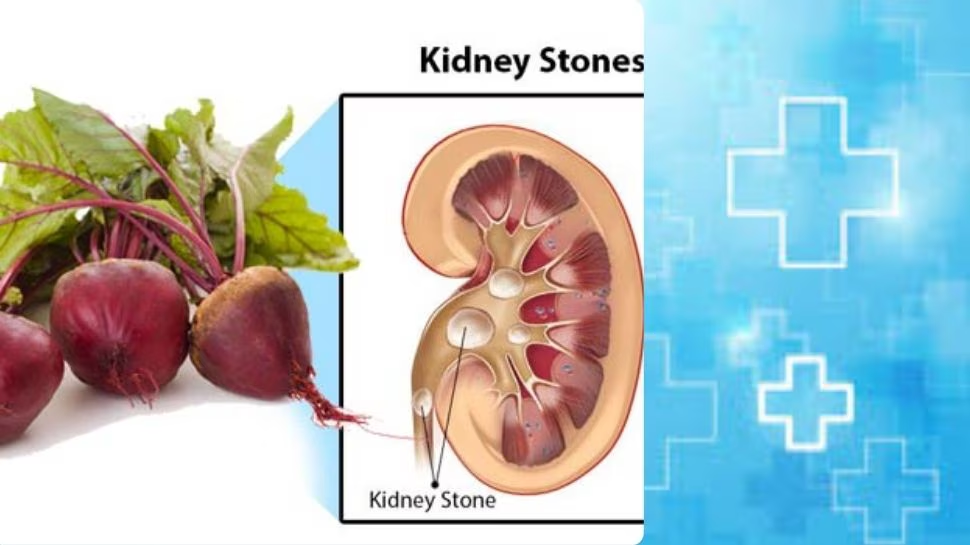
Introduction | Beetroot and Kidney Health – A Complex Relationship
Beetroot, known for its rich nutrient profile and vibrant color, is often considered a superfood. However, for kidney patients, its consumption requires careful consideration due to its high oxalate and potassium content.
This 3,000-word guide explores:
✔ Nutritional profile of beetroot
✔ Benefits for kidney health
✔ Potential risks for CKD patients
✔ 40+ FAQs on beetroot safety, preparation, and alternatives
Nutritional Profile of Beetroot | What Makes It Special?
Beetroot is packed with essential nutrients:
| Nutrient (per 100g raw beetroot) | Amount |
| Calories | 43 kcal |
| Potassium | 325 mg |
| Oxalates | 152 mg |
| Fiber | 2.8 g |
| Vitamin C | 4.9 mg |
| Folate | 109 mcg |
Key Active Compounds:
Betanin (antioxidant)
Dietary nitrates (improve blood flow)
Flavonoids (reduce inflammation)
Benefits of Beetroot for Kidney Patients
1. May Support Blood Pressure Control
Dietary nitrates convert to nitric oxide, which helps relax blood vessels.
Beneficial for CKD patients with hypertension.
2. Anti-Inflammatory Properties
Betalains in beetroot reduce oxidative stress, potentially slowing kidney damage.
3. Improved Exercise Tolerance
Studies suggest beetroot juice enhances stamina in dialysis patients.
4. Rich in Folate
Supports red blood cell production, helpful for kidney patients with anemia.
Risks of Beetroot for Kidney Patients
1. High Potassium Content
325 mg per 100g – risky for late-stage CKD patients who need potassium restriction.
2. Oxalates and Kidney Stones
Contains 152 mg oxalates per 100g – may worsen calcium oxalate kidney stones.
3. Blood Pressure Fluctuations
While beneficial for some, excessive beetroot juice may cause sudden BP drops in medicated patients.
4. Sugar Content
7g natural sugars per 100g – diabetic kidney patients should monitor intake.
Can Kidney Patients Eat Beetroot? | Expert Recommendations
✔ Early-Stage CKD (Stages 1-3)
Allowed in moderation (½ cup cooked, 2-3 times/week).
Best consumed boiled (reduces oxalates by 40%).
✖ Late-Stage CKD/Dialysis (Stages 4-5)
Strictly limit or avoid due to potassium concerns.
Alternative: Low-potassium veggies like cabbage, cauliflower.
How to Safely Include Beetroot in a Renal Diet
1. Leaching Method (Reduces Potassium)
Peel and dice beetroot.
Soak in warm water for 2+ hours, then rinse before cooking.
2. Boiling Over Raw Consumption
Boiling reduces oxalates significantly.
3. Portion Control
½ cup (75g) cooked beetroot is a safe serving for early CKD.
4. Avoid Beetroot Juice Concentrates
Too high in potassium and oxalates for most kidney patients.
Best Beetroot Alternatives for Kidney Patients
| Vegetable | Potassium (per 100g) | Oxalates (per 100g) |
| Cabbage | 170 mg | Low |
| Cauliflower | 299 mg | Low |
| Bell Peppers | 211 mg | Low |
| Green Beans | 209 mg | Low |
FAQs: Beetroot and Kidney Health
1. Can stage 3 CKD patients eat beetroot?
Yes, stage 3 CKD patients can safely consume ½ cup (75g) of cooked beetroot 2-3 times weekly. Key precautions:
Monitor serum potassium levels regularly
Always prefer boiled/steamed preparation over raw
Avoid during periods of hyperkalemia (high potassium)
Pair with low-potassium foods to balance intake
2. Does beetroot increase creatinine levels?
No direct evidence shows beetroot elevates creatinine. Important notes:
✔ May cause harmless beeturia (pink/red urine)
✔ Excessive consumption could stress renal function
✔ Blood tests (not urine color) indicate true kidney function
✔ Always consult nephrologist about dietary changes
3. Is beetroot juice safe for dialysis patients?
Not recommended due to multiple concerns:
Extremely high potassium concentration (442mg/cup)
Fluid restrictions make juice forms problematic
Oxalate content increases stone risk
Potential blood pressure fluctuations
4. How does beetroot affect kidney stones?
Beetroot’s high oxalate content (152mg/100g) can:
✔ Increase urinary oxalate excretion by 20-30%
✔ Potentially accelerate calcium oxalate stone formation
✔ Risk depends on individual stone history and urine chemistry
5. What’s the safest preparation method for CKD patients?
The kidney-friendly preparation method:
Peel and dice beets
Soak in warm water for 2+ hours
Boil in fresh water for 15-20 minutes
Discard cooking water (removes 50% potassium)
Season with kidney-safe herbs (not salt)
6. Can beetroot lower BP in hypertensive kidney patients?
Yes, but with important caveats:
✔ Nitrates may reduce BP by 4-10 mmHg
✔ Monitor closely if on antihypertensives
✔ Avoid large quantities (risk of hypotension)
✔ Best consumed as part of balanced DASH diet
7. Are beet greens safer than roots for kidneys?
No – beet greens pose greater risks:
✖ 2x higher potassium than roots (762mg vs 325mg)
✖ 6x more oxalates (916mg vs 152mg)
✖ Not recommended for any CKD stage
✖ Safer alternatives: kale, spinach (in moderation)
8. How does beetroot compare to other high-potassium vegetables?
Comparative potassium content per 100g:
| Vegetable | Potassium (mg) | CKD Safe? |
| Beetroot | 325 | Stages 1-3 |
| Potato | 535 | Limited |
| Tomato | 237 | Yes |
| Spinach | 558 | No |
9. Does cooking method affect oxalate content?
Significant oxalate reduction through:
✔ Boiling: 40% reduction
✔ Steaming: 30% reduction
✔ Soaking: 15-20% reduction
✖ Roasting: Minimal reduction
10. Can diabetic kidney patients include beetroot?
With careful management:
✔ 7g natural sugars per 100g
✔ Count as 1 carb choice (15g)
✔ Best paired with healthy fats/protein
✔ Monitor postprandial glucose response
✔ Limit to ¼ cup if uncontrolled diabetes
11. Is pickled beetroot safer for kidneys?
Actually more concerning due to:
✖ Added sodium (harmful for hypertension)
✖ Preservatives may stress kidneys
✖ Same potassium/oxalate content
✖ Not recommended alternative
12. Can beetroot supplements help kidney function?
No proven benefits and potential risks:
✖ Concentrated forms increase oxalate load
✖ May interact with medications
✖ Lack of FDA regulation
✔ Always prefer whole foods in moderation
13. How does beetroot affect urine tests?
Important notes about beeturia:
✔ Harmless red/pink urine in 10-15% people
✔ Lasts 24-48 hours after consumption
✔ Doesn’t indicate blood or kidney damage
✔ Inform your doctor before urine tests
14. Are there benefits of beetroot for anemia in CKD?
Potential benefits but limitations:
✔ Contains iron (0.8mg/100g) and folate
✔ Vitamin C enhances iron absorption
✖ High potassium limits usefulness
✖ Not replacement for prescribed anemia meds
15. Can children with kidney disease eat beetroot?
Pediatric considerations:
✔ Only if approved by pediatric nephrologist
✔ Smaller portions (1-2 tbsp for young kids)
✔ Extra caution with kidney transplant patients
✔ Monitor for beeturia confusion with hematuria
16. Does organic beetroot have less potassium?
No significant difference:
✔ Same potassium content regardless of farming
✔ Organic has no renal health advantage
✔ Focus on preparation method instead
17. Are golden beets safer than red varieties?
Slightly better profile:
✔ 20% less oxalates than red beets
✔ Same potassium content
✔ May be preferable for stone-formers
✔ Still requires same precautions
18. Can beetroot interact with kidney medications?
Potential interactions with:
✖ Potassium-sparing diuretics
✖ Blood pressure medications
✖ Phosphate binders
✔ Always discuss with your nephrologist
19. Is beetroot safe after kidney transplant?
Special considerations:
✔ Only with transplant team approval
✔ Increased infection risk from raw forms
✔ Immunosuppressants may affect tolerance
✔ Requires strict portion control
20. Are canned beets kidney-friendly?
Generally not ideal due to:
✖ Added sodium (300-400mg per serving)
✖ Same potassium as fresh
✖ Often contains preservatives
✔ If using, rinse thoroughly and limit portions
21. Can beetroot improve dialysis outcomes?
Limited evidence shows:
✔ Possible exercise tolerance benefits
✔ No direct impact on dialysis efficacy
✔ Risks outweigh potential benefits
✔ Not recommended as therapy
22. Does beetroot benefit kidney cancer patients?
No proven anti-cancer effects:
✖ Not a treatment or prevention
✖ May interfere with some therapies
✔ Only consume if approved by oncologist
✔ Focus on overall renal diet
23. How does beetroot compare to carrots for kidneys?
Nutritional comparison per 100g:
| Nutrient | Beetroot | Carrots | Kidney Winner |
| Potassium | 325mg | 320mg | Similar |
| Oxalates | 152mg | 21mg | Carrots |
| Sugar | 7g | 4.7g | Carrots |
| Fiber | 2.8g | 2.8g | Equal |
24. Can beetroot cause kidney pain?
Possible mechanisms:
✔ Oxalate crystals may cause discomfort
✔ Rare allergic reactions
✔ Unlikely in moderate amounts
✔ Report persistent pain to your doctor
25. Is beetroot safe for IgA nephropathy patients?
Special considerations:
✔ May be tolerated in early stages
✖ Caution with proteinuria
✔ Strict blood pressure control needed
✔ Individualized approach essential
26. Can beetroot help with fluid retention in CKD?
Actually may worsen due to:
✖ Natural sodium content (78mg/100g)
✖ Potassium can affect fluid balance
✔ Diuretic effects are minimal
✔ Not recommended for edema
27. Are beetroot chips safe for kidneys?
Particularly problematic:
✖ High potassium concentration
✖ Often salted (sodium concern)
✖ Oxalates become more concentrated
✖ Worst possible preparation method
28. Can beetroot prevent kidney disease progression?
No strong evidence for:
✖ Slowing CKD progression
✖ Improving GFR
✖ Reducing proteinuria
✔ Healthy diet helps but beetroot not special
29. Does beetroot affect phosphorus levels?
Minimal direct impact:
✔ Contains 40mg phosphorus/100g
✔ Low bioavailability (30-40% absorbed)
✔ Not a major dietary phosphorus source
✔ Still counts toward daily limit
30. Are fermented beetroot products kidney-safe?
Additional concerns with:
✖ Higher potassium from fermentation
✖ Often high in sodium
✖ May contain alcohol traces
✖ Not recommended alternatives
31. Can beetroot powder be used instead?
More concentrated risks:
✖ Higher oxalate load
✖ Easy to overconsume
✖ No potassium reduction
✔ Whole food form preferred
32. Does beetroot help with CKD-related fatigue?
Possible mechanisms but limited:
✔ Nitrates may improve circulation
✔ Folate supports red blood cells
✖ High potassium risk remains
✔ Better fatigue solutions available
33. Is beetroot safe for kidney transplant recipients?
Special precautions:
✔ Only with medical team approval
✔ Increased infection risk from raw
✔ May interact with immunosuppressants
✔ Strict portion control critical
34. Can beetroot cause false lab results?
Potential interference with:
✔ Urine tests (beeturia)
✔ Stool tests (red discoloration)
✔ No effect on blood creatinine/BUN
✔ Always inform lab technicians
35. Are there genetic factors in beetroot tolerance?
Emerging research shows:
✔ SLC26A6 gene affects oxalate handling
✔ 15% population absorbs more oxalates
✔ Personalized nutrition may help
✔ Genetic testing not yet routine
36. Can beetroot help with dialysis-related cramps?
Unlikely to help and may:
✖ Worsen electrolyte imbalances
✖ Interfere with fluid management
✔ Better alternatives exist
✔ Not recommended therapy
37. Does beetroot affect urine pH?
Minimal impact:
✔ Typically doesn’t alter acidity
✔ Less effect than citrus or dairy
✔ Doesn’t prevent stone formation
✔ Not a reliable alkalizing agent
38. Can beetroot be part of a renal diabetic diet?
With careful planning:
✔ Count as 1 carbohydrate choice
✔ Best paired with protein/fat
✔ Monitor glucose response
✔ Limit to ¼ cup if uncontrolled
39. Are there safer ways to get beetroot’s benefits?
Alternative nutrients:
✔ Nitrates: Celery, arugula
✔ Antioxidants: Blueberries, cherries
✔ Folate: Asparagus, lentils
✔ Iron: Lean meats, fortified cereals
40. What’s the #1 rule for kidney patients considering beetroot?
Always:
✔ Consult your nephrologist first
✔ Get recent potassium labs
✔ Start with tiny portions
✔ Monitor for any adverse effects
Conclusion | Should Kidney Patients Eat Beetroot?
While beetroot offers antioxidant and cardiovascular benefits, kidney patients must consider their disease stage, potassium restrictions, and oxalate sensitivity. Early-stage CKD patients can enjoy it in moderation, while late-stage/dialysis patients should opt for safer alternatives.
Consult your nephrologist before making dietary changes.