
Introduction
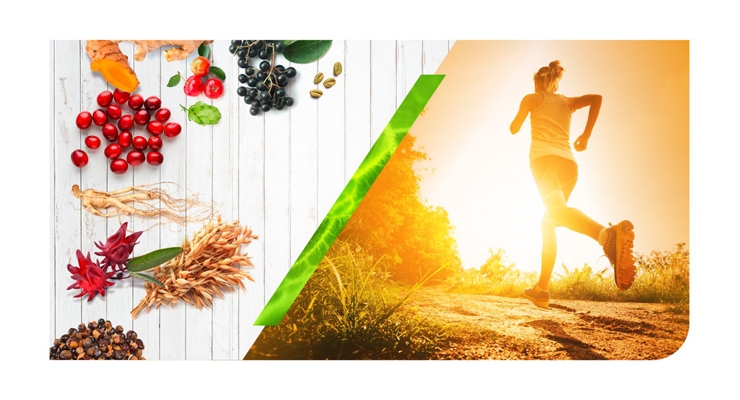
In the world of fitness and sports nutrition, the debate between [natural sports supplements] and artificial ones is ongoing. While artificial supplements promise quick results, natural alternatives provide sustainable health benefits without harmful side effects. This article explores why natural supplements are the superior choice for athletes, bodybuilders, and fitness enthusiasts.
What Are Natural Sports Supplements? | Definition and Sources
Natural sports supplements are derived from whole foods, herbs, and plant-based sources. Unlike synthetic supplements, they contain no artificial additives, preservatives, or lab-created chemicals. Examples include:
Whey protein from grass-fed cows
Turmeric for inflammation
Beetroot powder for endurance
What Are Artificial Sports Supplements? | Risks and Drawbacks
Artificial supplements are manufactured using synthetic chemicals and isolated nutrients. Common examples include:
Artificial sweeteners (aspartame, sucralose)
Synthetic vitamins (ascorbic acid vs. whole-food vitamin C)
Lab-created pre-workout stimulants
These often lead to digestive issues, nutrient imbalances, and long-term health risks.
Why Natural Sports Supplements Are Better | Key Benefits
1. Better Nutrient Absorption | Bioavailability Matters
Natural supplements contain co-factors (enzymes, minerals) that enhance absorption. For example:
Plant-based iron (from spinach) absorbs better than synthetic iron.
Whole-food vitamin E is more effective than its synthetic counterpart.
2. No Harmful Additives | Clean and Safe Formulas
Artificial supplements often contain:
Artificial colors (linked to hyperactivity)
Preservatives (may cause gut inflammation)
Fillers (unnecessary bulking agents)
3. Long-Term Health Benefits | Sustainable Performance
Natural options support overall wellness, not just short-term gains:
Ashwagandha reduces cortisol (stress hormone).
Omega-3s from algae improve heart health.
4. Fewer Side Effects | Gentle on the Body
Artificial supplements may cause:
Digestive distress (bloating, cramps)
Liver/kidney strain (from synthetic overload)
Energy crashes (from artificial stimulants)
5. Environmentally Friendly | Sustainable Choices
Natural supplements often come from eco-friendly sources:
Plant proteins reduce carbon footprint.
Organic farming avoids harmful pesticides.
Natural vs. Artificial Supplements | A Direct Comparison
| Factor | Natural Supplements | Artificial Supplements |
| Source | Whole foods, herbs | Lab-created chemicals |
| Absorption | High bioavailability | Poor absorption rates |
| Side Effects | Minimal to none | Digestive issues, crashes |
| Long-Term Impact | Improves overall health | May cause nutrient imbalances |
| Sustainability | Eco-friendly | Chemical waste production |
Top Natural Sports Supplements to Try
1. Whey Protein (Grass-Fed)
Rich in branched-chain amino acids (BCAAs).
Supports muscle recovery naturally.
2. Beetroot Powder
Boosts nitric oxide for better endurance.
Enhances blood flow naturally.
3. Turmeric & Curcumin
Reduces exercise-induced inflammation.
Speeds up recovery.
4. Ashwagandha
Lowers stress and improves stamina.
Enhances testosterone naturally.
5. Omega-3 (Algae-Based)
Supports joint and heart health.
Vegan-friendly alternative to fish oil
FAQs: Natural vs. Artificial Sports Supplements
1. Are natural supplements more effective than artificial ones?
Yes, due to better absorption and fewer side effects.
2. Can artificial supplements be harmful?
Some may cause digestive issues, nutrient imbalances, or long-term health risks.
3. What’s the best natural protein source?
Grass-fed whey, pea protein, and hemp protein are excellent choices.
4. Do natural supplements work slower than artificial ones?
They may take slightly longer but provide sustainable results.
5. Are natural supplements more expensive?
Some are, but their health benefits justify the cost.
6. What are the most common artificial ingredients in supplements?
Common artificial ingredients include aspartame, sucralose, artificial dyes (Red 40, Blue 1), and synthetic fillers like magnesium stearate.
7. Do natural supplements have fewer side effects?
Yes, because they are derived from whole foods and herbs, reducing the risk of adverse reactions.
8. Are natural pre-workouts as effective as synthetic ones?
Natural pre-workouts (like beetroot powder or green tea extract) provide steady energy without crashes, unlike synthetic stimulants.
9. Can natural supplements improve gut health?
Yes, many (like probiotics, ginger, and collagen) support digestion and microbiome balance.
10. Are artificial supplements FDA-approved?
The FDA does not strictly approve supplements; they only regulate claims. Many artificial supplements contain unregulated additives.
11. Which natural supplement boosts testosterone best?
Ashwagandha, fenugreek, and zinc from pumpkin seeds are proven to support healthy testosterone levels.
12. Do synthetic vitamins work as well as natural ones?
No, synthetic vitamins (like ascorbic acid) lack co-factors found in whole-food vitamins, reducing absorption.
13. Are plant-based proteins complete proteins?
Some, like quinoa, soy, and pea protein, contain all nine essential amino acids.
14. Can artificial sweeteners in supplements cause weight gain?
Yes, some studies link artificial sweeteners to increased cravings and metabolic disruption.
15. What’s the safest natural energy booster?
Matcha, maca root, and raw cacao provide clean energy without jitters.
16. Are natural supplements better for liver health?
Yes, milk thistle, turmeric, and dandelion root support liver detox, unlike synthetic compounds that may strain it.
17. Do artificial supplements expire faster?
Some synthetic ingredients degrade quicker than whole-food-based nutrients.
18. Can natural supplements help with muscle cramps?
Magnesium from leafy greens and coconut water can prevent cramps more effectively than artificial electrolytes.
19. Are there natural alternatives to creatine?
Beetroot powder and beta-alanine (from natural sources) offer similar endurance benefits.
20. Do artificial supplements cause dependency?
Some stimulant-based pre-workouts can lead to tolerance buildup.
21. Which natural supplement aids sleep and recovery?
Tart cherry juice, magnesium glycinate, and valerian root improve sleep quality.
22. Are GMOs a concern in artificial supplements?
Yes, many synthetic supplements use GMO-derived ingredients (like corn-based fillers).
23. Can natural supplements reduce inflammation?
Turmeric, omega-3s, and ginger are potent anti-inflammatory agents.
24. Are there natural BCAAs?
Yes, foods like eggs, lentils, and quinoa contain branched-chain amino acids naturally.
25. Do artificial supplements affect hormone balance?
Some synthetic ingredients (like soy isolates) may disrupt endocrine function.
26. Which natural supplement is best for joint pain?
Boswellia, collagen peptides, and omega-3s reduce joint inflammation.
27. Are natural supplements safer for long-term use?
Yes, they lack synthetic additives linked to chronic health issues.
28. Can artificial protein powders cause bloating?
Many contain lactose or artificial sweeteners that trigger digestive distress.
29. What’s the best natural post-workout recovery drink?
Tart cherry juice with plant-based protein supports muscle repair.
30. Are natural fat burners effective?
Green tea extract, cayenne pepper, and CLA from safflower oil aid fat loss safely.
31. Do artificial supplements contain heavy metals?
Some low-quality brands have been found contaminated with lead or arsenic.
32. Which natural supplement boosts immunity best?
Elderberry, vitamin C from acerola cherry, and zinc enhance immune function.
33. Can natural supplements replace a balanced diet?
They complement but shouldn’t replace whole foods.
34. Are artificial dyes in supplements dangerous?
Linked to hyperactivity and potential carcinogenic effects in high doses.
35. What’s the best natural electrolyte source?
Coconut water, Himalayan pink salt, and watermelon are excellent options.
36. Do artificial supplements cause acne?
Whey protein isolates and synthetic additives may trigger breakouts.
37. Are natural supplements suitable for vegans?
Many (like pea protein and algae omega-3s) are plant-based.
38. Can natural supplements lower cholesterol?
Psyllium husk, garlic, and plant sterols help manage cholesterol naturally.
39. Are there natural nootropics for focus?
Lion’s mane mushroom, ginkgo biloba, and rhodiola enhance cognitive function.
40. Why do athletes switch to natural supplements?
For cleaner ingredients, better recovery, and long-term health benefits.
Conclusion
Choosing [natural sports supplements] over artificial ones ensures better health, performance, and sustainability. While synthetic options may offer quick fixes, nature provides the safest and most effective path to peak fitness. Opt for clean, organic nutrition and experience the difference!