
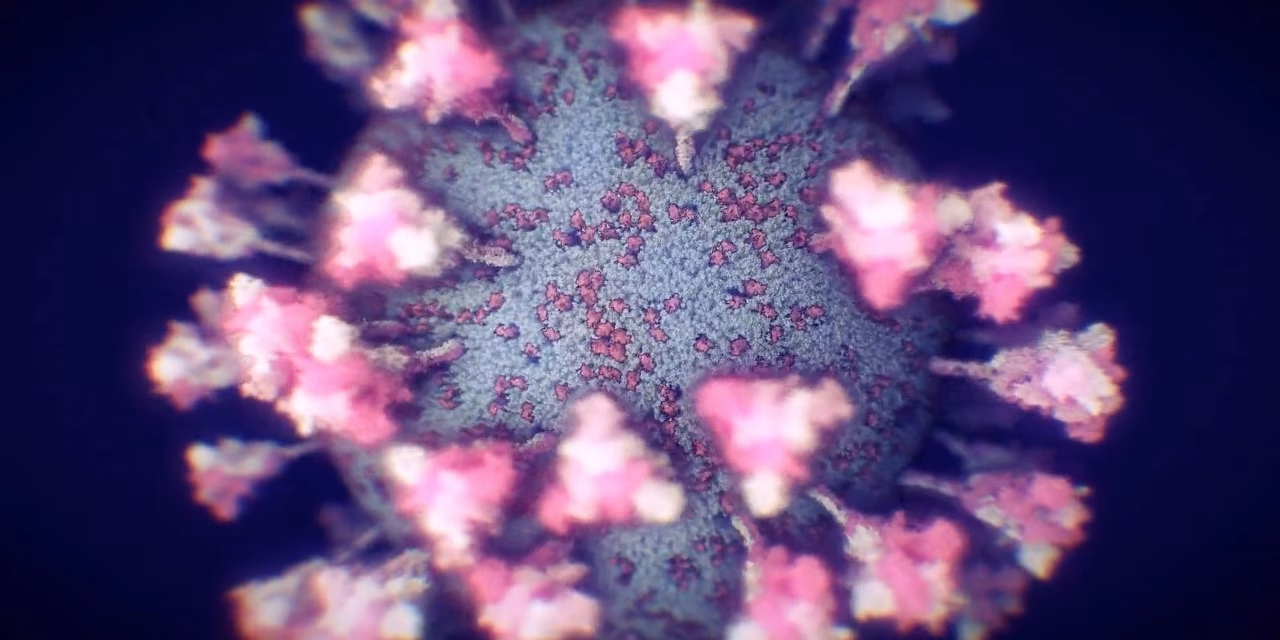
Introduction | The Evolving COVID-19 Threat
As COVID-19 cases surge globally, health experts warn of increasing risks from new variants. Mutations in the virus, such as Omicron subvariants KP.2 and KP.3, show immune evasion capabilities, raising concerns about reinfections and vaccine efficacy.
This 3,000-word guide covers:
✔ Why new variants are emerging
✔ Latest symptoms to watch for
✔ Prevention strategies
✔ 40+ FAQs on variants, vaccines, and long-term risks
The Science Behind COVID-19 Variants | How Mutations Occur
Viruses mutate naturally, but high transmission rates accelerate variant formation. Key factors:
Viral Replication Errors: RNA viruses like SARS-CoV-2 mutate frequently.
Immune Pressure: Vaccines and prior infections push the virus to evolve.
Animal Reservoirs: Spread between species (e.g., minks, deer) introduces new mutations.
Latest Variants Under Watch:
| Variant | Key Traits |
| KP.2 (JN.1 descendant) | Highly transmissible, evades immunity |
| KP.3 | Rising in wastewater surveillance |
| BA.2.86 | Potential spike protein changes |
Why Experts Urge Continued Vigilance
1. Increased Transmission Risk
New variants like KP.2 spread 20% faster than previous strains.
2. Vaccine Escape Potential
Some variants partially evade antibody responses, reducing protection from past infections/shots.
3. Long COVID Concerns
Each reinfection may raise the risk of long-term complications (fatigue, brain fog, heart issues).
4. Healthcare System Strain
Rising hospitalizations could overwhelm resources, especially during flu season.
Updated Symptoms of New COVID-19 Variants
While classic symptoms (fever, cough) persist, newer variants may cause:
✔ Sore throat as first sign
✔ Runny nose (more cold-like)
✔ Gastrointestinal issues (diarrhea, nausea)
✔ Fatigue lasting weeks
Severity Indicators Needing Medical Attention:
Difficulty breathing
Chest pain
Confusion
How to Protect Yourself in 2024
1. Vaccination Updates
Get the latest booster (targeting XBB.1.5)
High-risk groups (elderly, immuno compromised) may need additional doses
2. Masking in High-Risk Settings
Use N95/KN95 masks in crowded indoor spaces (airports, hospitals).
3. Ventilation & Air Filtration
Open windows or use HEPA filters to reduce airborne viral load.
4. Testing & Early Treatment
Test at first symptoms; seek Paxlovid within 5 days if eligible.
Global Response to Emerging Variants
WHO monitors variants through the Technical Advisory Group on Virus Evolution (TAG-VE).
CDC tracks wastewater data for early variant detection.
Moderna/Pfizer are developing variant-specific boosters.
FAQs: COVID-19 Variants & Safety Measures
1. What makes new COVID variants more dangerous?
New variants become concerning when they develop:
Increased transmissibility (spread faster)
Immune evasion (avoid vaccine/prior infection antibodies)
Treatment resistance (reduce effectiveness of antivirals like Paxlovid)
Increased severity (cause worse illness)
2. Are current vaccines effective against KP.2?
While updated 2023-2024 boosters provide:
✔ Good protection against severe disease/hospitalization
✔ Moderate protection against infection
Recent studies show KP.2 may be 1.5-2x more immune-evasive than previous Omicron strains.
3. How often should I get a COVID booster?
General population: Annual booster (like flu shots)
High-risk groups (65+, immunocompromised): Every 6 months
Follow CDC/WHO recommendations as variant situations evolve
4. Can pets transmit new variants?
Documented cases show:
Cats/dogs can rarely get infected from humans
Transmission back to humans is extremely uncommon
Precaution: Isolate from pets if COVID-positive
5. What are the first symptoms of KP.2 variant?
Most common early signs:
Sore throat (often first symptom)
Runny nose/congestion
Headache
Fatigue
Muscle aches
Less common now: Loss of taste/smell (10-15% cases)
6. Should I still wear masks in 2024?
Recommended in:
Healthcare settings (hospitals, nursing homes)
Crowded indoor spaces (airports, public transit)
If immunocompromised/high-risk
Best masks: N95, KN95, or KF94 respirators
7. How accurate are rapid tests for new variants?
Detect infection but may show positive later than PCR
Best practice: Swab throat + nose, test 2-3 days after exposure
Some variants may require higher viral load to test positive
8. What antiviral treatments work against new variants?
Still effective:
✔ Paxlovid (nirmatrelvir/ritonavir)
✔ Remdesivir (IV treatment)
✔ Molnupiravir (alternative if others unavailable)
Monitor for resistance patterns as variants evolve
9. Can you get long COVID from new variants?
Yes – studies show:
Each reinfection may increase long COVID risk
Vaccination reduces but doesn’t eliminate risk
KP.2 may cause neurological symptoms (brain fog, fatigue)
10. How is wastewater monitoring tracking variants?
Scientists now:
Detect variant spike protein mutations in sewage
Provide early warnings before clinical cases surge
Track geographic spread patterns
11. When will the next major variant emerge?
Experts predict:
Every 6-12 months for significant variants
Seasonal patterns (more in winter)
Surveillance systems can typically detect 4-8 weeks before widespread transmission
Conclusion | Staying Ahead of the Virus
While pandemic fatigue is real, vigilance remains critical. By staying updated on variants, vaccines, and prevention, we can mitigate risks.
Have questions? Drop them below!