
Introduction
Lung cancer is one of the most common and deadly cancers worldwide. However, detecting it at stage 1 significantly increases the chances of successful treatment. Many early symptoms are subtle and often mistaken for minor illnesses. This article explores the (stage 1 lung cancer symptoms), risk factors, and preventive measures to help you stay vigilant.
Understanding Stage 1 Lung Cancer | What You Need to Know
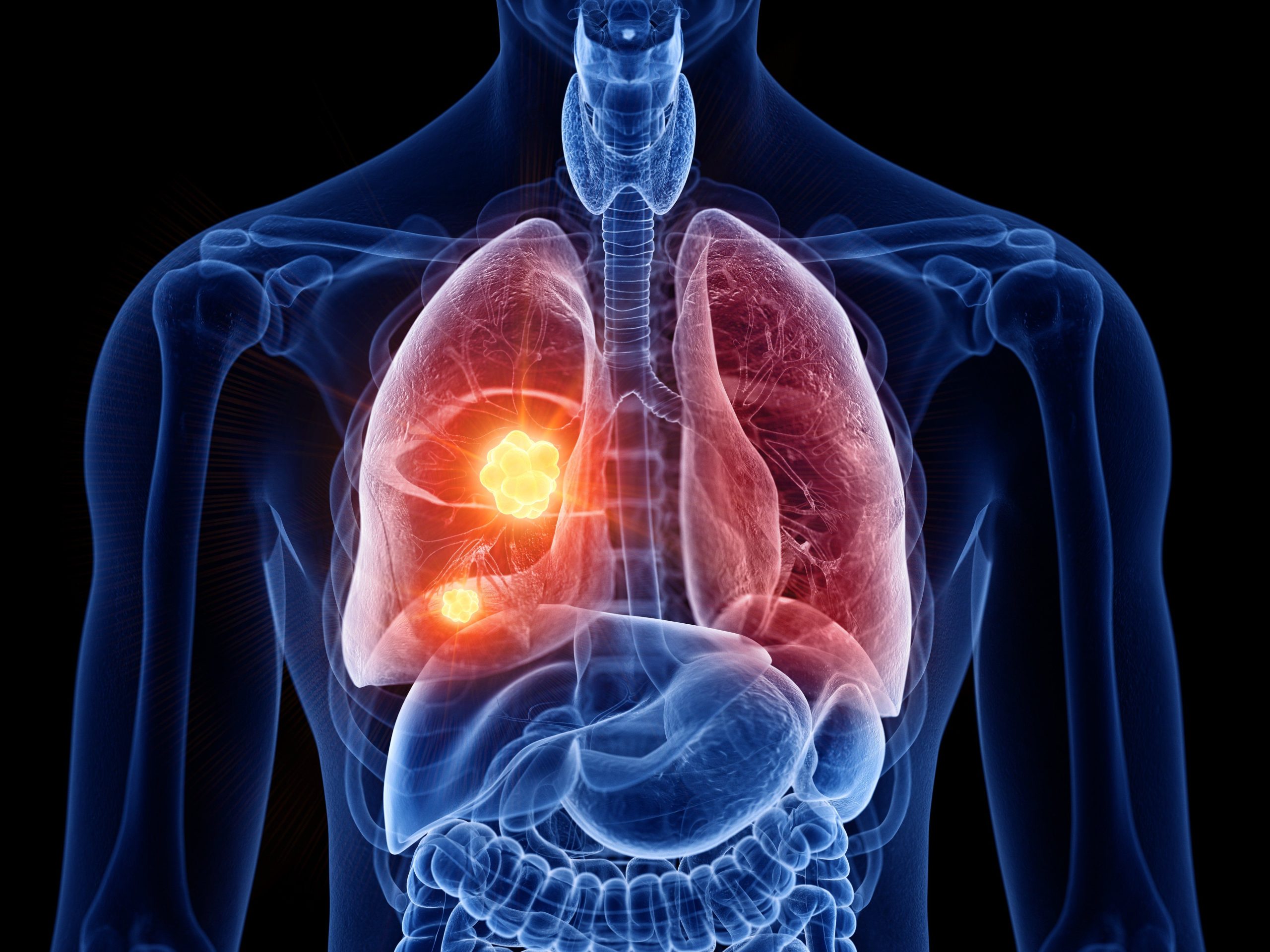
Stage 1 lung cancer means the tumor is small and localized, not yet spread to lymph nodes or distant organs. It is divided into:
Stage 1A: Tumor ≤ 3 cm
Stage 1B: Tumor 3-4 cm
Early detection is crucial because the 5-year survival rate for stage 1 lung cancer is around 80-90% with prompt treatment.
Common (Stage 1 Lung Cancer Symptoms) You Should Never Ignore
1. Persistent Cough | More Than Just a Cold
A cough that lasts more than 3 weeks or worsens over time could be an early sign. Unlike a common cold, this cough may produce blood-streaked mucus.
2. Shortness of Breath | Unexplained Wheezing
If you experience breathlessness during routine activities, it might indicate a tumor blocking airways.
3. Chest Pain | Deep, Aching Discomfort
Pain that worsens with deep breathing, coughing, or laughing may signal lung cancer.
4. Frequent Respiratory Infections | Bronchitis or Pneumonia
Recurrent lung infections may occur if a tumor obstructs air passages, trapping bacteria.
5. Fatigue and Weakness | More Than Just Tiredness
Unexplained exhaustion, even after rest, can be an early systemic symptom.
6. Unexplained Weight Loss | Losing Pounds Without Trying
A sudden drop in weight (10+ lbs) without diet changes may indicate cancer metabolism.
7. Hoarse Voice | Lasting More Than a Few Weeks
A tumor pressing on the laryngeal nerve can cause persistent voice changes.
8. Shoulder or Arm Pain | Referred Pain from Tumors
Some lung cancers irritate nerves, causing pain in the shoulders or arms.
Risk Factors for Developing (Early Lung Cancer)
Smoking (Primary cause – 80-90% of cases)
Secondhand smoke exposure
Radon gas (Leading cause in non-smokers)
Asbestos & chemical exposure
Family history of lung cancer
Chronic lung diseases (COPD, fibrosis)
Diagnosis and Screening for (Stage 1 Lung Cancer)
Low-Dose CT Scan (LDCT) – Best for early detection
Chest X-ray – Less sensitive than CT
Sputum Cytology – Checks for cancer cells in mucus
Biopsy – Confirms cancer presence
Treatment Options for Stage 1 Lung Cancer
Surgery (Lobectomy, Segmentectomy)
Radiation Therapy (Stereotactic body radiotherapy)
Immunotherapy & Targeted Therapy (For specific mutations)
Prevention Tips to Lower Lung Cancer Risk
✔ Quit smoking & avoid secondhand smoke
✔ Test your home for radon gas
✔ Wear protective gear in hazardous workplaces
✔ Eat a cancer-fighting diet (Antioxidant-rich foods)
✔ Exercise regularly to boost lung health
FAQs About (Stage 1 Lung Cancer Symptoms)
Can stage 1 lung cancer be cured?
Yes, stage 1 lung cancer has a high cure rate (80-90%) if treated early with surgery or radiation.
How long can you live with stage 1 lung cancer?
The 5-year survival rate is 80-90% with proper treatment.
Does stage 1 lung cancer show symptoms?
Sometimes, but symptoms are often mild or mistaken for other conditions.
What is the best test for early lung cancer detection?
A low-dose CT scan (LDCT) is the most effective screening method.
Can stage 1 lung cancer spread quickly?
Stage 1 lung cancer is localized and grows slowly, but without treatment, it can progress to advanced stages over months or years.
Is stage 1 lung cancer always symptomatic?
No, about 25% of cases show no symptoms and are detected incidentally via imaging tests.
Can non-smokers get stage 1 lung cancer?
Yes, 10-20% of cases occur in non-smokers due to radon, genetics, or pollution.
What’s the difference between stage 1A and 1B lung cancer?
Stage 1A tumors are ≤3 cm, while 1B tumors are 3-4 cm. Survival rates are slightly higher for 1A.
Can a chest X-ray detect stage 1 lung cancer?
Sometimes, but low-dose CT scans are far more accurate for early detection.
How is stage 1 lung cancer treated?
Primary treatments include surgery (lobectomy), radiation (SBRT), or, in rare cases, targeted therapy.
Is chemotherapy needed for stage 1 lung cancer?
Usually not, unless high-risk features are present (e.g., aggressive cell types).
Can stage 1 lung cancer come back after treatment?
Recurrence risk is 10-30%, depending on tumor size and cell type. Follow-up scans are crucial.
What are the side effects of lung cancer surgery?
Short-term effects include pain, infection, or breathing difficulties, but most improve with recovery.
Does immunotherapy work for stage 1 lung cancer?
It’s mainly used for advanced stages, but clinical trials are exploring its role in early-stage cases.
Can vaping cause stage 1 lung cancer?
Research is ongoing, but vaping increases lung inflammation, a potential risk factor.
How often should high-risk patients get screened?
Annual low-dose CT scans are recommended for smokers aged 50-80 with a 20-pack-year history.
Can blood tests detect stage 1 lung cancer?
No standard blood test exists yet, but liquid biopsies are being studied for early detection.
Does family history increase stage 1 lung cancer risk?
Yes, genetics play a role, especially if a first-degree relative had lung cancer.
Can air pollution cause lung cancer?
Long-term exposure to PM2.5 particles (e.g., from traffic, industry) raises risk.
What’s the survival rate for non-smokers with stage 1 lung cancer?
Often higher than smokers (up to 85-95%) due to fewer compounding health issues.
Can pneumonia hide lung cancer symptoms?
Yes, recurring pneumonia may mask or delay lung cancer diagnosis.
Is a biopsy always needed to diagnose stage 1 lung cancer?
Usually, yes—to confirm cancer type (e.g., adenocarcinoma vs. squamous cell).
Can diet prevent stage 1 lung cancer?
Foods rich in antioxidants (berries, leafy greens) may lower risk, but quitting smoking is most critical.
Does COPD increase stage 1 lung cancer risk?
Yes, COPD patients have 2-4x higher risk due to chronic lung damage.
Can exercise reduce lung cancer risk?
Regular exercise improves lung function and may lower risk by 20-30%.
What’s the cost of stage 1 lung cancer treatment?
Varies by country; in the U.S., surgery alone can cost $30,000–$50,000 without insurance.
Can pets detect lung cancer early?
Anecdotal reports suggest dogs smell cancer, but no reliable medical evidence supports this.
Does asbestos exposure always lead to lung cancer?
No, but it increases risk (especially mesothelioma)—avoid further exposure.
Can stress cause lung cancer?
No direct link, but chronic stress weakens immunity, potentially affecting cancer progression.
Is lung cancer pain constant in stage 1?
Usually intermittent early on, worsening with coughing or deep breaths.
Can stage 1 lung cancer cause back pain?
Rarely, but if the tumor irritates nerves, pain may radiate to the back.
Are lung nodules always cancerous?
No, 95% of small nodules are benign (e.g., scars, infections).
Can allergies mimic lung cancer symptoms?
Yes, chronic allergies may cause coughing/wheezing, but they don’t cause weight loss or bloody mucus.
Does quitting smoking reverse lung cancer risk?
Risk drops by 50% after 10 years of quitting but never fully returns to non-smoker levels.
Can stage 1 lung cancer affect the heart?
Rarely, but large tumors near the heart may cause arrhythmias or fluid buildup.
Is robotic surgery better for stage 1 lung cancer?
Yes, robotic-assisted surgery offers precision, smaller incisions, and faster recovery.
Can COVID-19 affect lung cancer detection?
Delayed screenings during the pandemic led to more advanced-stage diagnoses.
Does marijuana smoking cause lung cancer?
Evidence is mixed, but inhaling any smoke harms lung tissue.
Can stage 1 lung cancer cause shoulder blade pain?
Yes, if the tumor presses on nerves (e.g., Pancoast tumor).
Is lung cancer genetic testing useful?
For some, EGFR or ALK mutation tests guide targeted therapy options.
Can acid reflux mimic lung cancer symptoms?
Chronic GERD may cause coughing, but not blood in sputum or weight loss.
Can a PET scan detect stage 1 lung cancer?
Yes, PET scans help determine if cancer has spread beyond the lung.
Does lung cancer screening have risks?
False positives or radiation exposure are possible, but benefits outweigh risks for high-risk patients.
Can turmeric prevent lung cancer?
Curcumin (in turmeric) has anti-inflammatory properties, but no proven prevention effect.
Can stage 1 lung cancer cause headaches?
Not typically, unless cancer spreads to the brain (rare in stage 1).
Is palliative care needed for stage 1 lung cancer?
Usually not, as curative treatment is the focus, but supportive care helps recovery.
Conclusion
Recognizing (stage 1 lung cancer symptoms) early can save lives. If you experience persistent cough, chest pain, or unexplained weight loss, consult a doctor immediately. Early detection, combined with modern treatments, offers the best chance for a full recovery.
Related Keywords:
Early-stage lung cancer signs – Mild symptoms often overlooked.
Lung cancer in non-smokers – Caused by radon, genetics, or pollution.
Is lung cancer curable? – Yes, if caught early.
Lung cancer survival rate – Varies by stage and treatment.
Stay informed, stay healthy!