
Introduction
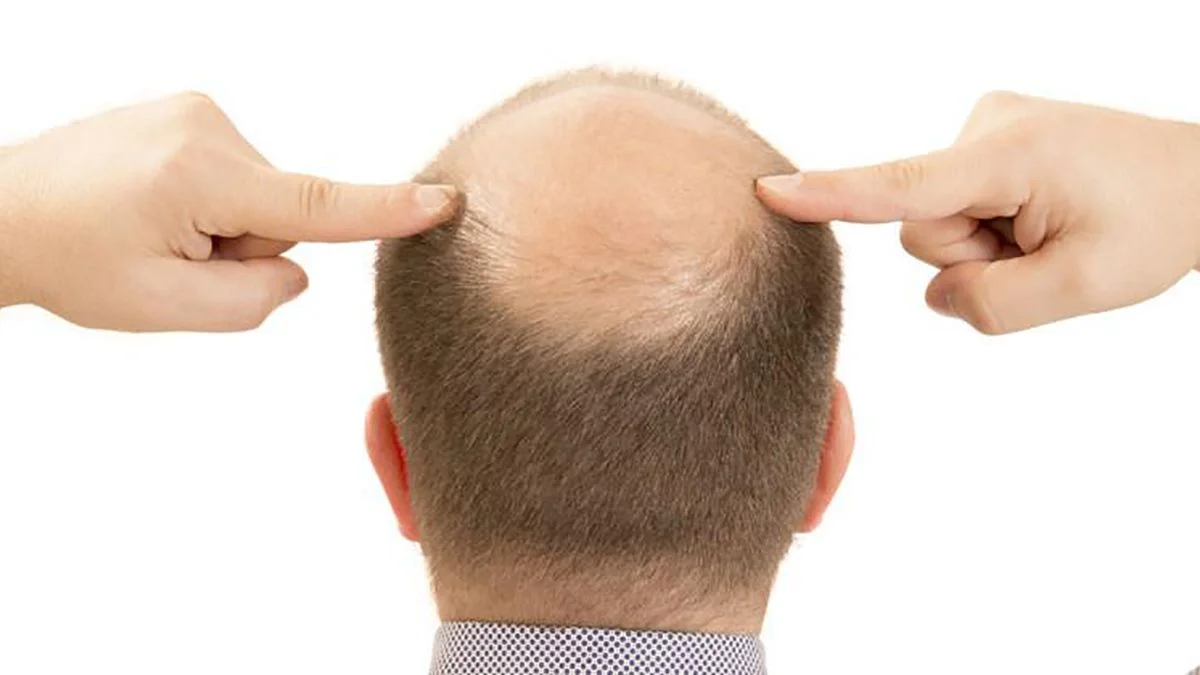
Hair transplants are often marketed as a permanent solution to baldness, but few discuss the rare yet serious risks, including death. While most procedures are safe, understanding the potential complications and real causes of hair loss can help you make informed decisions.
This comprehensive guide covers:
✅ How hair transplants can (rarely) lead to death
✅ The root causes of hair loss
✅ Safe alternatives to surgical procedures
Hair Transplant Death Risk | Can It Really Happen?
1. Understanding Hair Transplant Procedures
Two primary techniques are used:
FUT (Follicular Unit Transplantation): Removes a strip of scalp for grafts.
FUE (Follicular Unit Extraction): Extracts individual follicles.
Risks Include:
✔ Infection
✔ Scarring
✔ Nerve damage
✔ Anesthesia complications (rare but deadly)
Related Keywords: FUE vs FUT, hair transplant side effects
2. How Can a Hair Transplant Cause Death?
While extremely rare, fatalities can occur due to:
A. Anesthesia Overdose or Allergy
General anesthesia risks heart failure or stroke.
Local anesthesia (lidocaine toxicity) can cause seizures or coma.
B. Severe Infection (Sepsis)
Poor clinic hygiene may lead to life-threatening bloodstream infections.
C. Blood Clots (Deep Vein Thrombosis)
Long procedure times increase DVT risk, which can cause pulmonary embolism.
Related Keywords: hair transplant anesthesia risk, sepsis after surgery
3. Real Cases of Hair Transplant Deaths
2019, Turkey: A British man died from lidocaine toxicity during an FUE procedure.
2021, India: A patient suffered a heart attack under anesthesia.
Key Takeaway: Choose board-certified surgeons and accredited clinics.
Why Does Hair Loss Occur? (The Root Causes)
1. Genetic Hair Loss (Androgenetic Alopecia)
Cause: DHT hormone shrinks hair follicles.
Pattern: Receding hairline (men) or thinning crown (women).
Treatment: Finasteride, Minoxidil, PRP therapy.
Related Keywords: DHT hair loss, male pattern baldness
2. Stress-Induced Hair Loss (Telogen Effluvium)
Trigger: Surgery, childbirth, trauma, or chronic stress.
Effect: Sudden shedding 3-6 months after the trigger.
Recovery: Usually reversible within 6-12 months.
3. Autoimmune Hair Loss (Alopecia Areata)
Cause: Immune system attacks hair follicles.
Appearance: Patchy bald spots.
Treatment: Steroid injections, immunosuppressants.
4. Nutritional Deficiencies
Key Deficiencies: Iron, Vitamin D, Zinc, Biotin.
Solution: Blood tests + supplements.
Safer Alternatives to Hair Transplants
1. Minoxidil (Rogaine)
How it works: Stimulates blood flow to follicles.
Effectiveness: 60% see regrowth after 6 months.
2. Finasteride (Propecia)
How it works: Blocks DHT production.
Side Effects: Rare sexual dysfunction (reversible).
3. Low-Level Laser Therapy (LLLT)
FDA-approved devices: Capillus, iRestore.
Science: Lasers boost cellular energy in follicles.
FAQs About Hair Transplant Risks & Hair Loss
Can a hair transplant kill you?
Yes, in extremely rare cases due to anesthesia complications (0.01% risk), severe infections, or blood clots.
Which country is safest for hair transplants?
The US, UK, and Germany have the strictest medical regulations, while budget clinics in Turkey/India have higher complication rates.
How painful is a hair transplant?
Most patients report 3-4/10 pain during recovery (like sunburn), but the procedure itself is painless under local anesthesia.
Does Minoxidil work for receding hairlines?
It can help maintain existing hair, but Finasteride is more effective for stopping DHT-related frontal hair loss.
What’s the #1 cause of failed hair transplants?
Poor graft survival due to unsterile conditions, inexperienced technicians, or improper post-op care.
Can transplanted hair fall out again?
The transplanted hairs are permanent, but natural hair around them may continue thinning without medication.
How long does a hair transplant last?
Properly transplanted hairs last a lifetime, but maintenance treatments may be needed for non-transplanted areas.
What’s the death rate of hair transplants?
Estimated at 1 in 50,000 procedures, primarily from anesthesia errors or pulmonary embolisms.
Why do some hair transplants look unnatural?
Pluggy appearances result from outdated techniques or improper graft placement angles/density.
Can women get hair transplants?
Yes, but they typically require diffuse thinning rather than bald spots for good results.
What’s better – FUE or FUT?
FUE causes less scarring but may have lower graft survival. FUT yields more grafts in one session.
How much does a safe hair transplant cost?
$4,000-$15,000 in the US for quality work. Prices under $3,000 often indicate higher risk clinics.
Can you go bald after a hair transplant?
Only in the non-transplanted areas if you don’t use preventive medications like Finasteride.
What’s the worst that can happen in a hair transplant?
Death (extremely rare), permanent nerve damage, severe scarring, or widespread graft failure.
Why do people go to Turkey for hair transplants?
Prices are 70% cheaper than Western countries, but quality and safety standards vary widely.
How many grafts are needed for full coverage?
Typically 4,000-8,000 grafts depending on baldness level, done over 1-3 sessions.
Can smoking affect hair transplant results?
Yes, smoking reduces blood flow and increases graft failure risk by 30-50%.
What percentage of hair transplants fail?
5-15% in reputable clinics, but up to 40% in discount clinics due to poor technique.
Is PRP better than a hair transplant?
PRP helps maintain hair but can’t restore significant bald areas like transplants can.
Why does hair fall out after a transplant?
Shock loss (temporary shedding) is normal for 2-8 weeks as follicles enter resting phase.
Can you exercise after a hair transplant?
Light activity after 3 days, but no heavy lifting/sweating for 2 weeks to protect grafts.
What celebrities have had bad hair transplants?
Elton John (pluggy look in 1970s), Wayne Rooney (initially unnatural density).
Can Finasteride replace a hair transplant?
It can maintain hair but can’t regrow completely bald areas that need transplants.
How long until hair looks normal post-transplant?
3-6 months for initial growth, 12-18 months for final thickness and texture.
Can you wear a hat after a hair transplant?
Loose-fitting hats only after 7-10 days. Tight hats can dislodge grafts early on.
What’s the best age for a hair transplant?
Ideally late 20s to 40s when hair loss pattern is established but scalp laxity remains.
Can poor nutrition cause hair transplant failure?
Yes, deficiencies in protein, iron, or zinc can impair healing and graft survival.
How do you sleep after a hair transplant?
Elevated at 45 degrees for first 3 nights to prevent swelling and graft damage.
Can you drink alcohol after a hair transplant?
Avoid for 7 days as it increases bleeding risk and slows healing.
What’s the “ugly duckling” phase?
The 2-4 month period when transplanted hairs shed before regrowing.
Can stress cause hair transplant failure?
Chronic stress may slightly reduce graft survival by impairing healing.
How do you wash hair after a transplant?
Gentle pouring of water (no rubbing) for first 5 days, then mild shampooing.
Can a hair transplant fix a scar?
Yes, scalp micropigmentation or FUE into scars can camouflage them.
What’s the maximum grafts in one session?
4,000-5,000 grafts is the safe limit before overharvesting occurs.
Can you get a second hair transplant?
Yes, after 8-12 months, but donor supply is limited so planning is crucial.
Does transplanted hair turn gray?
Yes, it will gray naturally with age like the rest of your hair.
Can you color transplanted hair?
Yes, but wait at least 6 weeks post-op to avoid chemical irritation.
What’s the difference between ARTAS and manual FUE?
ARTAS is robotic FUE that’s more precise but significantly more expensive.
Can a hair transplant cause headaches?
Temporary tension headaches may occur from prolonged procedure positioning.
Why do some hair transplants look too dense?
Over-aggressive packing of grafts creates an unnatural “doll’s hair” appearance.
Can you swim after a hair transplant?
No swimming for 4 weeks to prevent infection from bacteria in water.
What’s the best shampoo after a hair transplant?
Baby shampoo or mild sulfate-free formulas for first month.
Can you fly after a hair transplant?
Wait at least 48 hours to prevent altitude-related swelling issues.
How do you choose a good hair transplant surgeon?
Look for:
Board certification
Before/after photos
Patient testimonials
Membership in ISHRS (International Society of Hair Restoration Surgery)
Conclusion
While hair transplant deaths are rare, choosing an unqualified surgeon or cutting corners on safety can be deadly. Before opting for surgery:
✔ Treat underlying causes (hormones, nutrition, stress).
✔ Try non-surgical options (Minoxidil, Finasteride, PRP).
✔ Research clinics thoroughly (check certifications, patient reviews).
Have you experienced hair loss or a bad transplant? Share your story below!