
Introduction
Diabetes doesn’t develop overnight—your body sends early warning signals long before blood sugar levels become dangerously high. Recognizing these signs can help you prevent or delay diabetes through lifestyle changes.
In this detailed guide, we’ll explore the subtle and not-so-subtle signals your body gives before diabetes occurs, along with preventive measures.
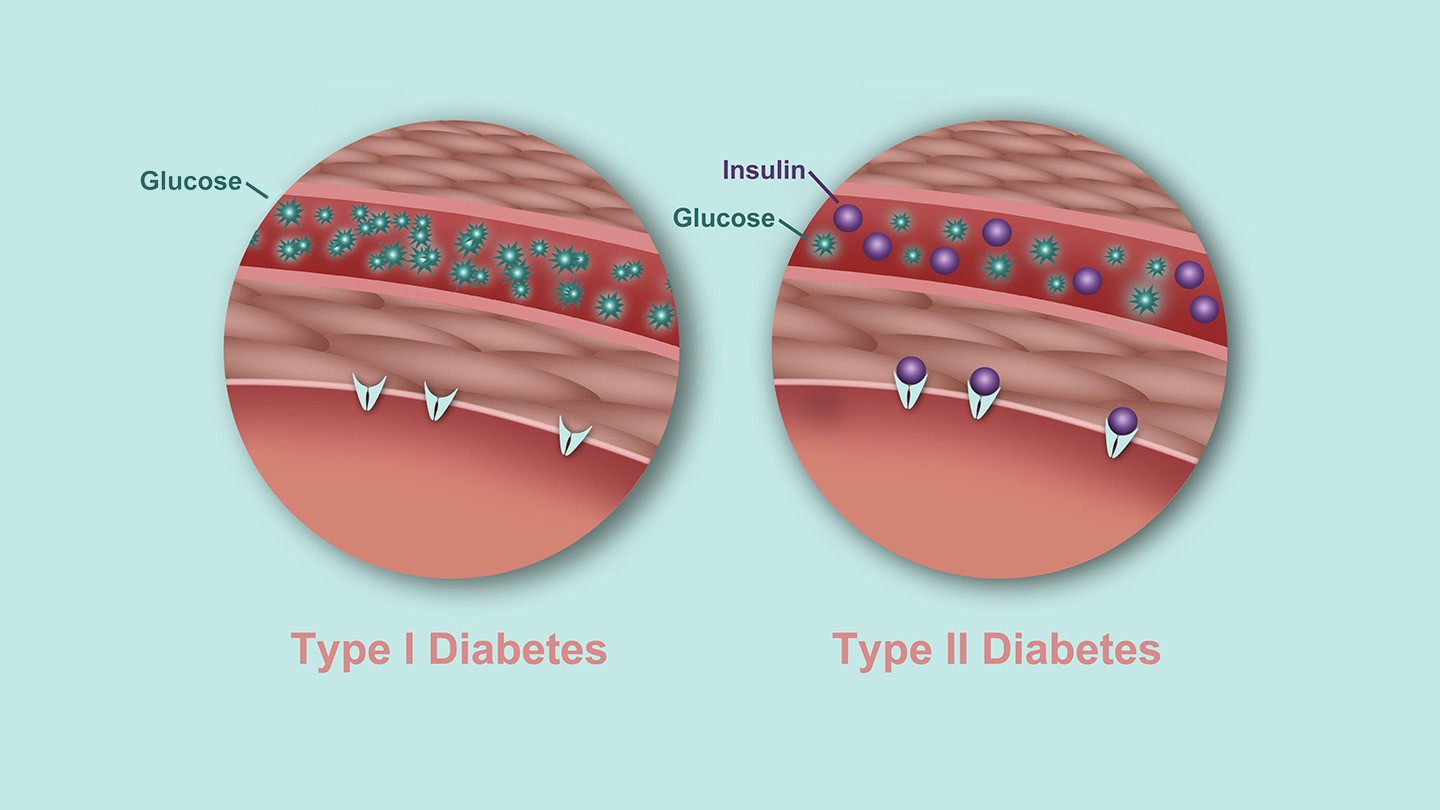
How Diabetes Develops | Understanding the Process
Before diving into symptoms, let’s understand how diabetes develops:
Insulin Resistance: Cells stop responding to insulin, forcing the pancreas to work harder.
Beta Cell Dysfunction: The pancreas can’t produce enough insulin over time.
Chronic High Blood Sugar: Uncontrolled glucose levels lead to Type 2 diabetes.
Related Keywords: insulin function, glucose metabolism, prediabetes stage
Early Warning Signs of Diabetes | Don’t Ignore These!
1. Excessive Thirst & Frequent Urination | The Classic Red Flags
Why it happens: High blood sugar forces kidneys to work overtime, causing increased urination (polyuria) and thirst (polydipsia).
What to watch for: Waking up multiple times at night to urinate.
Related Keywords: polydipsia, polyuria, diabetes thirst symptoms
2. Unexplained Weight Loss | Despite Eating Normally
Why it happens: Without enough insulin, the body burns fat and muscle for energy.
What to watch for: Losing 5-10 lbs unexpectedly without dieting.
Related Keywords: diabetes weight loss, sudden weight drop, insulin deficiency
3. Constant Fatigue | Even After Resting
Why it happens: Cells aren’t getting enough glucose for energy.
What to watch for: Feeling exhausted after meals (postprandial fatigue).
Related Keywords: diabetes fatigue, blood sugar crashes, energy dips
4. Blurred Vision | High Sugar Affects Eye Fluids
Why it happens: Excess glucose pulls fluid from eye lenses, causing temporary blurriness.
What to watch for: Vision improves when blood sugar stabilizes.
Related Keywords: diabetic retinopathy early signs, high blood sugar vision
5. Slow-Healing Wounds | High Sugar Damages Blood Vessels
Why it happens: Poor circulation and nerve damage delay healing.
What to watch for: Cuts, bruises, or infections taking weeks to heal.
Related Keywords: diabetic foot ulcers, poor wound healing diabetes
6. Tingling or Numbness | Nerve Damage (Neuropathy)
Why it happens: Excess glucose damages nerves, starting in hands and feet (peripheral neuropathy).
What to watch for: Pins-and-needles sensation or burning pain.
Related Keywords: diabetic neuropathy symptoms, nerve damage diabetes
7. Dark Skin Patches (Acanthosis Nigricans) | Insulin Resistance Sign
Why it happens: High insulin levels cause dark, velvety patches (neck, armpits, groin).
What to watch for: Often seen in prediabetes and PCOS.
Related Keywords: insulin resistance skin signs, acanthosis nigricans causes
8. Increased Hunger (Polyphagia) | Cells Starved of Glucose
Why it happens: Without insulin, glucose can’t enter cells, leaving you hungry despite eating.
What to watch for: Craving carbs and sweets shortly after meals.
Related Keywords: diabetes hunger, polyphagia symptoms
Lesser-Known Warning Signs
9. Recurring Yeast Infections | Sugar Feeds Fungal Growth
Why it happens: High glucose in urine promotes yeast (Candida) overgrowth.
What to watch for: Frequent vaginal or oral thrush infections.
Related Keywords: diabetes and yeast infections, sugar and Candida
10. Dry, Itchy Skin | Poor Circulation & Dehydration
Why it happens: High blood sugar pulls moisture from skin.
What to watch for: Itching, especially on legs and feet.
Related Keywords: diabetes dry skin, itchy skin blood sugar
FAQs About Early Diabetes Signs
Can diabetes symptoms appear suddenly?
Type 1 diabetes can develop quickly (weeks), while Type 2 symptoms gradually worsen over years.
How can I check if I’m prediabetic?
Get an A1C test (5.7%-6.4% = prediabetes) or fasting glucose test (100-125 mg/dL = prediabetes).
Does frequent urination always mean diabetes?
No, but when combined with excessive thirst and fatigue, it strongly suggests diabetes.
Can you reverse prediabetes?
Yes! Losing 5-7% body weight through diet and exercise can prevent progression to diabetes.
What’s the earliest noticeable sign of diabetes?
Excessive thirst (polydipsia) and frequent urination (polyuria) are typically the first red flags.
Can diabetes cause dizziness?
Yes, both high and low blood sugar levels can lead to dizziness or lightheadedness.
Does diabetes make you sleepy after eating?
Post-meal fatigue (postprandial somnolence) often occurs when blood sugar spikes dramatically.
Why do diabetics lose weight suddenly?
The body starts burning fat and muscle for energy when it can’t use glucose properly.
Can diabetes symptoms come and go?
In early stages, symptoms may fluctuate, but they become persistent as diabetes progresses.
How does diabetes affect eyesight?
High blood sugar causes fluid shifts in the eyes, leading to temporary blurred vision.
Can diabetes cause skin problems?
Yes, including dry skin, dark patches (acanthosis nigricans), and slow wound healing.
Why do diabetics get thirsty?
High blood sugar pulls fluid from tissues, causing dehydration and intense thirst.
Can diabetes cause numbness in feet?
Yes, peripheral neuropathy often begins with tingling or numbness in extremities.
Does diabetes make you hungry all the time?
Polyphagia (excessive hunger) occurs because cells aren’t getting energy from glucose.
Can diabetes cause mood swings?
Blood sugar fluctuations can lead to irritability, anxiety, and sudden mood changes.
Why do diabetics pee so much?
The kidneys work overtime to filter excess glucose, producing more urine.
Can diabetes cause sweet-smelling urine?
In severe cases, excess glucose in urine may give it a slightly sweet odor.
Does diabetes affect sleep patterns?
Yes, through frequent urination at night and blood sugar fluctuations disrupting sleep.
Can diabetes cause headaches?
High or low blood sugar levels can trigger headaches or migraines.
Why do diabetics get yeast infections?
High glucose levels in bodily fluids promote fungal overgrowth.
Can diabetes cause erectile dysfunction?
Yes, through nerve damage and impaired blood flow (vascular complications).
Does diabetes make you cold all the time?
Poor circulation from diabetes can make extremities feel cold.
Can diabetes cause hair loss?
Yes, due to poor circulation, nutrient deficiencies, and hormonal changes.
Why do diabetics get so tired?
Cells starved of glucose energy lead to persistent fatigue.
Can diabetes cause stomach problems?
Gastroparesis (delayed stomach emptying) is a common diabetic complication.
Does diabetes affect body temperature?
Autonomic neuropathy can impair temperature regulation.
Can diabetes cause muscle cramps?
Electrolyte imbalances and nerve damage may lead to painful cramps.
Why do diabetics get infections easily?
High blood sugar weakens immune response and promotes bacterial growth.
Can diabetes cause depression?
The physical stress of diabetes combined with biochemical changes increases depression risk.
Does diabetes affect hearing?
Studies show diabetics have higher rates of hearing impairment.
Can diabetes cause memory problems?
Chronic high blood sugar may contribute to cognitive decline (“diabetic brain fog”).
Why do diabetics get dry mouth?
Frequent urination leads to dehydration, causing xerostomia (dry mouth).
Can diabetes cause night sweats?
Blood sugar drops at night (nocturnal hypoglycemia) may trigger sweating.
Does diabetes make you age faster?
Chronic high blood sugar accelerates aging through glycation processes.
Can diabetes cause brittle nails?
Poor circulation and fungal infections common in diabetes affect nail health.
Why do diabetics get dark skin patches?
Acanthosis nigricans (dark velvety patches) indicates insulin resistance.
Can diabetes cause shortness of breath?
Diabetic ketoacidosis (DKA) can cause rapid, labored breathing.
Does diabetes affect taste buds?
Some diabetics report altered taste perception (dysgeusia).
Can diabetes cause itching without rash?
High blood sugar can cause generalized itching, especially in legs.
Why do diabetics get swollen feet?
Poor circulation and kidney issues may lead to edema (swelling).
Can diabetes cause blue toes?
Severe vascular complications can cause cyanosis (blue discoloration).
Does diabetes affect pregnancy?
Gestational diabetes requires careful monitoring to protect mother and baby.
Can diabetes symptoms be different in men and women?
Yes – women may notice more yeast infections, while men often experience ED earlier.
Why get tested if you have these symptoms?
Early detection prevents devastating complications like blindness, amputation, and kidney failure.
Prevention Tips | Stop Diabetes Before It Starts
Eat a low-glycemic diet (whole grains, veggies, lean proteins).
Exercise 30 mins daily (walking, strength training).
Get regular blood tests (A1C, fasting glucose).
Manage stress (cortisol raises blood sugar).
Related Keywords: diabetes prevention diet, reversing insulin resistance
Conclusion
Your body sends clear signals before diabetes takes hold. If you notice excessive thirst, fatigue, slow healing, or unexplained weight changes, see a doctor immediately. Early action can prevent or delay diabetes and its complications.
Did you recognize any of these signs? Share your experience in the comment.