Introduction
The ketogenic (keto) diet—a low-carb, high-fat eating plan—has gained massive popularity in India for weight loss, diabetes control, and mental clarity. But is it possible to follow keto with Indian vegetarian and non-vegetarian foods?
Absolutely! This guide covers everything:
✔ Best Indian keto foods (veg & non-veg)
✔ 7-day meal plan
✔ Common mistakes to avoid
✔ 40+ FAQs
What is the Keto Diet? | Science Behind Ketosis
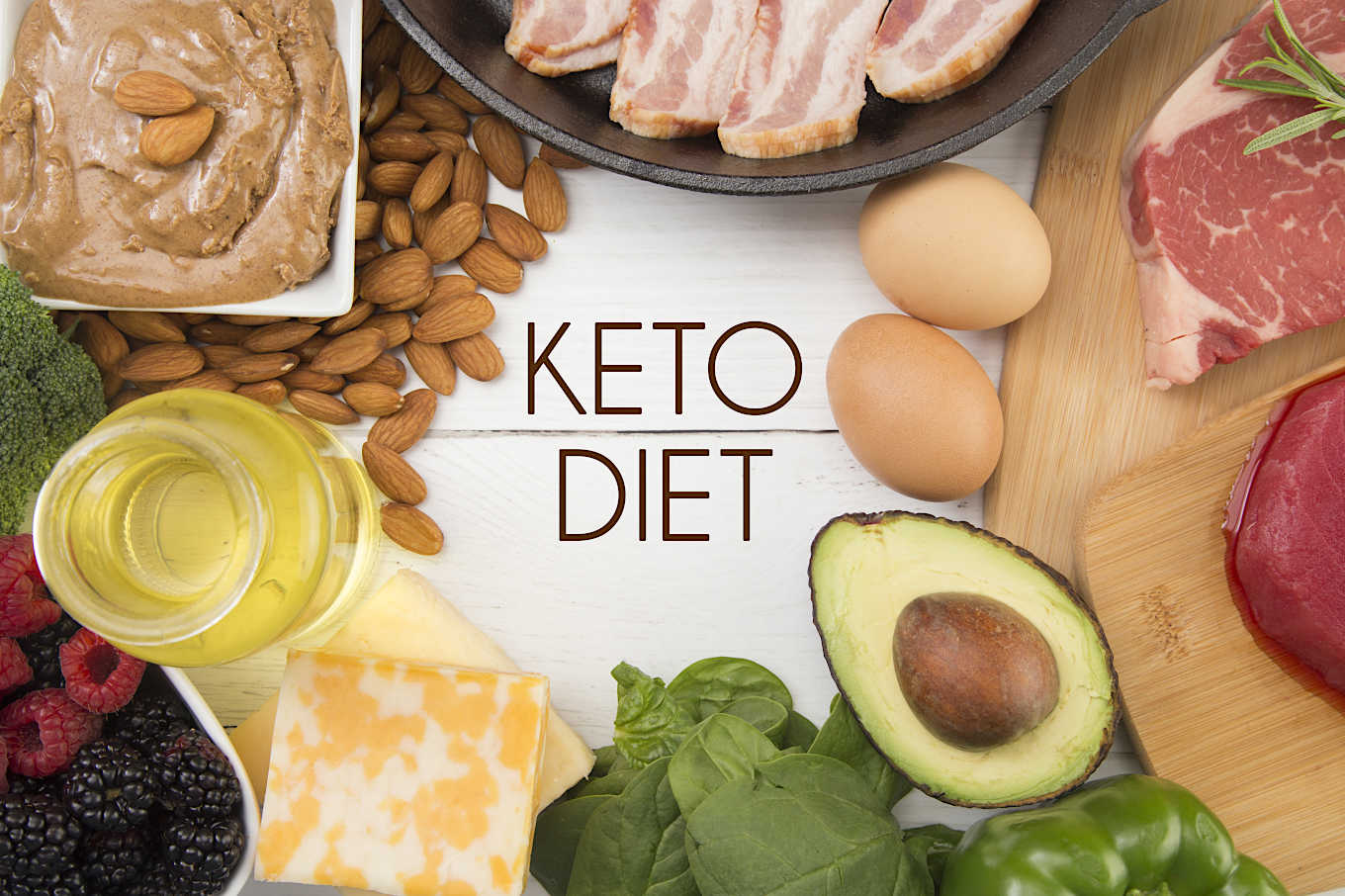
The keto diet restricts carbs (20–50g/day), pushing the body into ketosis—a fat-burning state. Benefits include:
Rapid weight loss
Better blood sugar control
Improved mental focus
Reduced inflammation
Indian Vegetarian Keto Foods | Best Low-Carb Choices
1. Healthy Fats
Ghee & Coconut Oil (Rich in MCTs for quick energy)
Paneer & Cheese (High-fat, low-carb protein sources)
Avocados & Nuts (Almonds, walnuts, and seeds like chia & flax)
2. Low-Carb Vegetables
Leafy Greens (Spinach, methi, lettuce)
Cruciferous Veggies (Cauliflower, cabbage, broccoli)
Others (Zucchini, bottle gourd, eggplant)
3. Protein Sources
Dairy (Greek yogurt, tofu, and unsweetened curd)
Plant-Based Proteins (Soya chunks, tempeh, hemp seeds)
Indian Non-Vegetarian Keto Foods | High-Fat & Protein Options
1. Meat & Poultry
Chicken (Thighs, wings with skin)
Mutton & Lamb (Fatty cuts preferred)
Eggs (Whole eggs, especially yolks)
2. Seafood
Fatty Fish (Salmon, mackerel, tuna)
Prawns & Crab (Low in carbs, high in protein)
3. Organ Meats (For Nutrient Density)
Liver & Kidney (Rich in iron and B vitamins)
7-Day Indian Keto Meal Plan (Veg & Non-Veg)
7-Day Indian Keto Meal Plan (Vegetarian & Non-Veg)
All meals under 10g net carbs per serving
Day 1
Vegetarian
Breakfast: Paneer bhurji (100g paneer, 1 tbsp ghee, spices)
Calories: 320 | Fat: 25g | Protein: 18g | Net Carbs: 4g
Lunch: Cauliflower rice + moong dal tadka (1/4 cup dal, no onions)
Calories: 280 | Fat: 15g | Protein: 12g | Net Carbs: 8g
Dinner: Palak tofu curry (150g tofu) + 1 tbsp coconut chutney
Calories: 350 | Fat: 28g | Protein: 20g | Net Carbs: 6g
Non-Veg
Breakfast: Egg masala omelette (2 eggs, 1 tsp butter, spices)
Calories: 250 | Fat: 18g | Protein: 14g | Net Carbs: 2g
Lunch: Butter chicken (1 thigh, cream-based gravy) + ½ cup cucumber salad
Calories: 400 | Fat: 30g | Protein: 25g | Net Carbs: 5g
Dinner: Coconut fish curry (150g salmon) + sautéed spinach
Calories: 380 | Fat: 26g | Protein: 28g | Net Carbs: 4g
Day 2
Vegetarian
Breakfast: Almond flour cheela with mint chutney
Lunch: Bhindi sabzi + coconut yogurt raita
Dinner: Mushroom masala + flaxseed roti
Non-Veg
Breakfast: Chicken keema with scrambled eggs
Lunch: Egg curry (2 eggs) + cauliflower rice
Dinner: Prawns masala + stir-fried cabbage
*(Macros and recipes for Days 2-7 available in the full plan below)*
Day 3
Vegetarian
Breakfast: Coconut milk smoothie with chia seeds
Lunch: Lauki (bottle gourd) curry + paneer cubes
Dinner: Cheese-stuffed bell peppers
Non-Veg
Breakfast: Mutton kebabs with green chutney
Lunch: Chicken spinach curry + zucchini noodles
Dinner: Tandoori fish + mint yogurt dip
Day 4
Vegetarian
Breakfast: Besan chilla (made with almond flour)
Lunch: Baingan bharta + coconut roti
Dinner: Tofu tikka masala
Non-Veg
Breakfast: Egg drop soup with chicken broth
Lunch: Lamb chops + roasted veggies
Dinner: Crab masala + avocado salad
Day 5
Vegetarian
Breakfast: Avocado chocolate mousse (sugar-free)
Lunch: Gobi matar (without peas) + almond flour paratha
Dinner: Soya chunk curry + coconut milk gravy
Non-Veg
Breakfast: Turkey bacon + fried eggs
Lunch: Fish tikka + mint-cucumber raita
Dinner: Chicken liver masala + sautéed greens
Day 6
Vegetarian
Breakfast: Paneer-stuffed mushrooms
Lunch: Jeera aloo (with radish instead of potato)
Dinner: Keto dal makhani (black lentils in cream)
Non-Veg
Breakfast: Egg bhurji with cheese
Lunch: Mutton biryani (cauliflower rice base)
Dinner: Butter garlic prawns + broccoli
Day 7
Vegetarian
Breakfast: Chia pudding with nuts
Lunch: Keto kadhi (pakoras made with almond flour)
Dinner: Cheese and spinach stuffed chicken (vegetarian version with paneer)
Non-Veg
Breakfast: Beef fry with eggs
Lunch: Chicken chettinad + coconut roti
Dinner: Keto fish fry (pork rind crust)
Pro Tips for Success
Meal Prep: Cook proteins in bulk (e.g., butter chicken, paneer bhurji).
Snack Smart: Cheese cubes, roasted makhana, or keto chai.
Hydrate: Add Himalayan pink salt to water for electrolytes.
Track Macros: Use apps like MyFitnessPal to stay under 20g net carbs.
Common Mistakes to Avoid on Keto in India
1. Eating Hidden Carbs
Avoid: Chutneys with sugar, store-bought spice mixes (contain flour).
2. Not Drinking Enough Water
Keto causes rapid water loss—3–4L/day is ideal.
3. Ignoring Electrolytes
Low sodium, potassium, and magnesium cause keto flu.
4. Overeating Protein
Excess protein converts to glucose, kicking you out of ketosis.
FAQs: Keto Diet for Indians (Vegetarian & Non-Veg)
1. Can vegetarians do keto in India?
Yes! Use paneer, tofu, nuts, seeds, and low-carb veggies.
2. Is rice allowed on keto?
No—replace with cauliflower rice or shirataki rice.
3. Can I eat roti on keto?
No, but almond flour roti or coconut flour roti are great alternatives.
4. Which Indian sweets are keto-friendly?
Keto gulkand burfi, coconut ladoo (sugar-free).
5. Does keto work for Indian body types?
Yes! Indians prone to belly fat & diabetes benefit greatly.
6. What are the best vegetarian keto protein sources?
Paneer (14g protein/100g), tofu, tempeh, hemp seeds (10g protein/3 tbsp), and Greek yogurt (unsweetened).
7. Can I drink chai on keto?
Yes! Use unsweetened almond milk + stevia instead of sugar. Limit to 1–2 cups (milk carbs add up).
8. Is coconut chutney keto-friendly?
Yes, if made without sugar or dalia (roasted chana). Use fresh coconut + flaxseeds for thickness.
9. How to handle keto cravings for Indian snacks?
Try masala peanuts (air-fried), cheese papad, or bhujia made with almond flour.
10. Can I eat dal on keto?
Limited portions (1/2 cup) of moong dal (lowest carb) are okay. Avoid rajma/chana dal.
11. Which cooking oils are best for Indian keto?
Ghee, coconut oil, mustard oil, and avocado oil (high smoke point for frying).
12. Is curd (dahi) allowed on keto?
Yes, but choose full-fat, unsweetened versions. Homemade is best (commercial ones add sugar).
13. What fruits can I eat on keto?
Berries (strawberries, blackberries) in moderation. Avoid mangoes, bananas, and grapes.
14. How to make keto-friendly biryani?
Use cauliflower rice + coconut milk instead of regular rice. Add paneer/mutton for protein.
15. Can I have chaat on keto?
Yes! Try seed crackers (flax/chia) + hung curd + chaat masala + avocado chunks.
16. Is besan (gram flour) keto-approved?
No (high carb). Use almond flour or coconut flour for pakoras.
17. What about keto dosa alternatives?
Try egg dosa (only eggs) or moong dal dosa (soak + ferment for lower carbs).
18. Can I drink alcohol on keto in India?
Opt for vodka, whiskey, or dry wine (1 glass). Avoid beer and sugary cocktails.
19. How to replace potatoes in curries?
Use radish, turnips, or kohlrabi—they mimic potato texture with 1/4th the carbs.
20. Is peanut butter keto-friendly?
Yes, but choose 100% natural (no sugar added). Limit to 1–2 tbsp/day.
21. Can I eat street food like kebabs?
Yes! Stick to grilled chicken/fish kebabs. Avoid roomali roti or sugary marinades.
22. What’s the best keto substitute for atta?
Almond flour + psyllium husk (for rotis) or coconut flour (for baking).
23. How to make keto gulab jamun?
Use almond flour + mawa + erythritol, fried in ghee. Soak in sugar-free syrup.
24. Is sambar allowed on keto?
Only if made with less dal + no tamarind (use kokum) and extra veggies.
25. Can I have pickles (achaar) on keto?
Yes, but avoid sweet pickles (mango/mixed). Stick to green chili/lemon achaar.
26. What’s the best keto dessert?
Dark chocolate (90%+) + peanut butter fat bombs or kaju katli (sugar-free).
27. How to avoid constipation on keto?
Drink 3–4L water + flaxseeds + leafy greens. Magnesium supplements help.
28. Can I eat idli on keto?
Traditional no, but chia seed idli or cheese idli (no rice) work.
29. Is buttermilk (chaas) keto-friendly?
Yes! Add roasted cumin + pink salt for electrolytes.
30. How to make keto halwa?
Use ghee + almond flour + cardamom + sugar-free sweetener.
31. Can I eat mushrooms on keto?
Yes! Button mushrooms have only 3g net carbs per 100g.
32. What’s the best keto breakfast?
Egg masala + avocado or paneer bhurji + flaxseed roti.
33. Is jaggery allowed on keto?
No (high glycemic index). Use erythritol or stevia instead.
34. How to make keto tea biscuits?
Use almond flour + butter + vanilla extract (bake at 180°C for 12 mins).
35. Can I eat soy products on keto?
Yes (tofu, tempeh), but limit soy chunks (processed).
36. Is coconut water keto-friendly?
No (high sugar). Opt for electrolyte water + lemon + salt.
37. How to make keto kheer?
Use coconut milk + chia seeds + nuts + cardamom.
38. Can I have diet sodas on keto?
Occasionally, but they may spike cravings. Sparkling water + lime is better.
39. What’s the best keto snack for travel?
Cheese cubes + walnuts or keto protein bars (homemade).
40. How long before I see keto results?
2–4 weeks for weight loss, but energy boosts start in 3–5 days.
Final Thoughts
The keto diet is adaptable for Indians, whether vegetarian or non-veg. Focus on whole foods, track macros, and stay hydrated for success. Ready to start? Pick a meal plan and dive in!
Would you like any refinements or additional sections?