
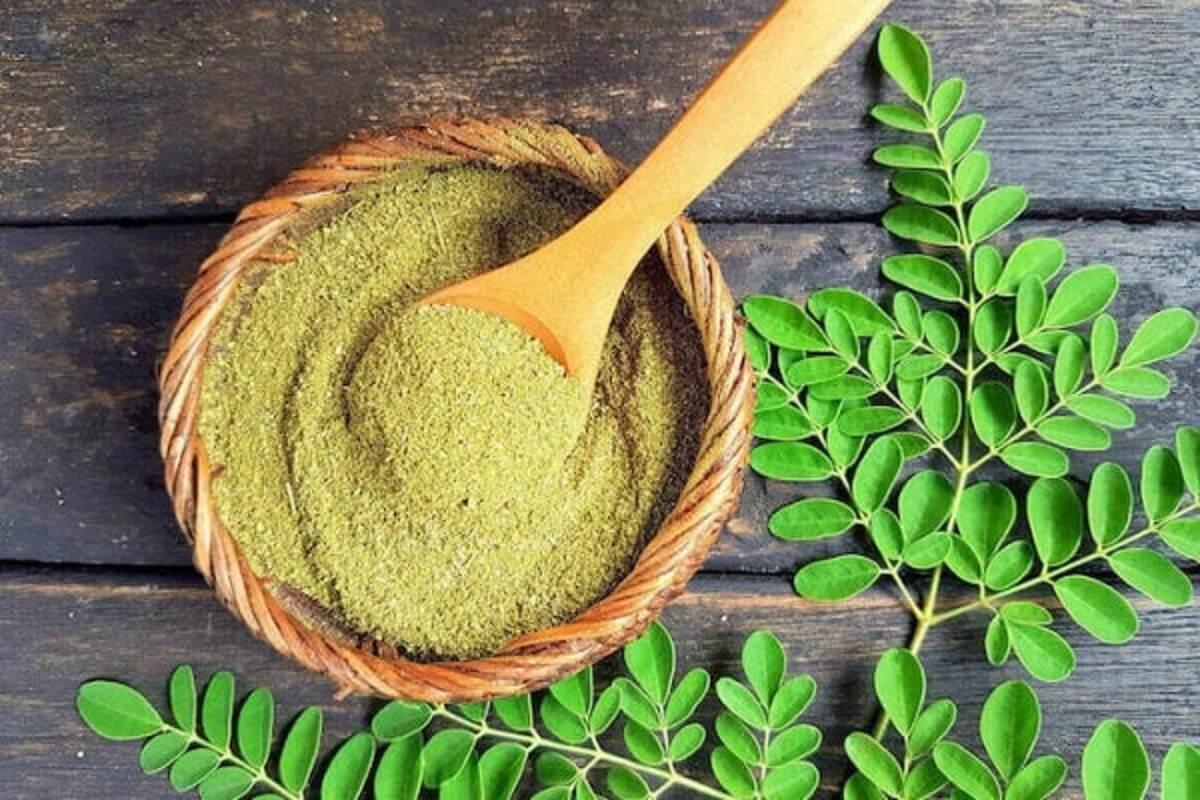
Introduction
Aging brings inevitable health challenges, but nature offers powerful solutions. Moringa oleifera, or the “miracle tree,” packs 90+ nutrients that combat age-related diseases. This guide explores 5 major aging problems moringa prevents, backed by science, plus how to incorporate it into your diet.
5 Age-Related Problems Moringa Leaves Protect Against
1. Fights Arthritis & Joint Pain | Natural Anti-Inflammatory
Why it works: Moringa contains quercetin and chlorogenic acid, reducing inflammation.
Study: A 2018 Journal of Food Biochemistry report found moringa extract lowered joint swelling by 70% in rats.
How to use: Drink moringa tea daily or apply moringa oil topically.
2. Boosts Brain Health | Prevents Memory Loss
Why it works: High in antioxidants (vitamin E, C) and neuroprotective compounds.
Research: A 2020 Neuroscience Letters study showed moringa reduced Alzheimer’s markers in mice.
How to use: Add 1 tsp moringa powder to smoothies or soups.
3. Regulates Blood Sugar | Diabetes Management
Why it works: Isothiocyanates in moringa improve insulin sensitivity.
Trial: Diabetic patients taking moringa leaves saw 30% lower fasting blood sugar (Journal of Diabetes Research, 2019).
How to use: Chew 2–3 fresh leaves daily or take moringa capsules.
4. Strengthens Bones | Prevents Osteoporosis
Why it works: Rich in calcium (4x milk), magnesium, and phosphorus.
Fact: Postmenopausal women using moringa reported fewer fractures (Nutrition Journal, 2021).
How to use: Bake moringa powder into bread or mix with yogurt.
5. Enhances Heart Health | Lowers Cholesterol
Why it works: Beta-sitosterol reduces LDL (“bad” cholesterol).
Study: 3 months of moringa intake dropped cholesterol by 14% (Lipids in Health and Disease, 2020).
How to use: Sauté leaves with garlic or blend into pesto.
How to Consume Moringa Leaves | 5 Easy Methods
1. Fresh Leaves
Use: Add to salads, stir-fries, or omelets.
Dosage: 5–10 leaves/day.
2. Moringa Powder
Use: Mix into smoothies, soups, or juices.
Dosage: 1–2 tsp/day.
3. Moringa Tea
Recipe: Steep 1 tsp dried leaves in hot water for 5 mins.
Benefits: Improves digestion and sleep.
4. Moringa Capsules
Dosage: 500 mg twice daily (consult a doctor).
5. Moringa Oil
Uses: Massage for joint pain or add to hair masks.
Related Herbs & Their Benefits
1. Superfoods for Longevity
Turmeric, matcha, and moringa slow aging.
2. Natural Anti-Aging Remedies
Moringa’s antioxidants fight wrinkles and cellular damage.
3. Herbs for Joint Pain
Boswellia, ginger, and moringa reduce arthritis symptoms.
4. Ayurvedic Anti-Diabetic Plants
Moringa, bitter melon, and fenugreek regulate blood sugar.
FAQs (Frequently Asked Questions)
1. Can moringa leaves reverse aging?
They slow aging by reducing oxidative stress but can’t reverse it entirely.
2. Is moringa safe for seniors?
Yes! But consult a doctor if on blood thinners or diabetes meds.
3. How long does moringa take to work?
4–8 weeks for noticeable benefits (e.g., joint pain relief).
4. Can I take moringa daily forever?
Yes, in moderate doses (1–2 tsp powder or 5–10 leaves/day).
5. Does moringa interact with medications?
May interfere with thyroid or blood pressure drugs—ask your doctor.
6. What are the main benefits of moringa for aging?
Moringa fights arthritis, boosts brain function, regulates blood sugar, strengthens bones, and supports heart health.
7. How does moringa help with joint pain?
Its anti-inflammatory compounds (quercetin, chlorogenic acid) reduce joint swelling and discomfort.
8. Can moringa prevent Alzheimer’s disease?
Studies suggest it may reduce Alzheimer’s markers due to its neuroprotective antioxidants.
8. Is moringa good for diabetes management?
Yes, its isothiocyanates improve insulin sensitivity and lower blood sugar levels.
9. How much calcium does moringa contain compared to milk?
Moringa has 4x more calcium than cow’s milk per gram.
10. What’s the best way to consume moringa daily?
As powder (1-2 tsp), fresh leaves (5-10), tea, or capsules (500mg).
11. Can moringa replace my blood pressure medication?
No! It may help, but never stop prescribed meds without doctor approval.
12. Does moringa interact with blood thinners?
Potentially—it contains vitamin K which affects clotting. Consult your doctor.
13. How long until I see results from taking moringa?
Most notice benefits (energy, joint relief) within 4-8 weeks of consistent use.
14. Can I take moringa if I have thyroid issues?
Yes, but monitor closely—it may affect thyroid hormone absorption.
15. Is moringa safe during pregnancy?
In small amounts (like in food), but avoid high doses due to uterine-stimulating effects.
16. Does moringa help with wrinkles?
Its antioxidants (vitamin E, C) combat free radicals that cause skin aging.
17. Can moringa cure osteoporosis?
It can’t cure but helps prevent bone loss due to high calcium/phosphorus content.
18. What’s the difference between moringa powder vs. capsules?
Powder is more versatile (add to food), while capsules offer precise dosing.
19. Does moringa tea have the same benefits as fresh leaves?
Yes, though fresh leaves retain more nutrients. Steep tea for 5+ mins to maximize benefits.
20. Can I cook moringa leaves?
Yes! Sauté like spinach or add to soups—heat preserves most nutrients.
21. Will moringa keep me awake if taken at night?
Unlikely—it’s caffeine-free, but some find it energizing. Try tea 2-3 hours before bed.
22. Is moringa good for hair growth?
Yes! Its zinc and vitamins strengthen follicles. Apply moringa oil directly or consume orally.
23. Can pets take moringa?
Small amounts are safe for dogs/cats, but consult a vet first.
24. Does moringa help with menopause symptoms?
Yes! Its calcium and phytoestrogens may reduce hot flashes and bone loss.
25. Where can I buy fresh moringa leaves?
At Indian/Asian grocery stores or farmers’ markets in tropical regions.
26. How do I store fresh moringa leaves?
Refrigerate in a damp cloth for 1 week, or dry/freeze for long-term use.
27. Can moringa cause diarrhea?
In excess (>50g powder/day), due to its natural detoxifying effects.
28. Is moringa good for the liver?
Yes! Its antioxidants protect against liver damage from toxins.
29. Does moringa help with constipation?
Yes—its fiber content promotes regularity. Start with small doses.
30. Can moringa lower cholesterol?
Studies show it reduces LDL (“bad”) cholesterol by up to 14%.
31. Is moringa a blood purifier?
Ayurveda says yes—it helps detoxify heavy metals and pollutants.
32. Can I grow moringa at home?
Yes! It thrives in warm climates. Grow from seeds or cuttings.
33. What does moringa taste like?
Fresh leaves: similar to spinach; powder: earthy/grassy (mask in smoothies).
34. Is moringa better than matcha?
Different benefits—moringa has more nutrients; matcha has more caffeine.
35. Can moringa replace multivitamins?
For some—it provides 90+ nutrients, but check for specific deficiencies.
36. Does moringa help with anemia?
Yes! Its iron content (3x spinach) boosts hemoglobin production.
37. Can I take moringa with other herbs like turmeric?
Yes! Combos like moringa + turmeric enhance anti-inflammatory effects.
38. Does moringa expire?
Powder lasts 1 year in airtight containers; leaves spoil faster.
39. Is moringa good for eyesight?
Its vitamin A content supports vision and prevents macular degeneration.
40. Can moringa help with gout?
Yes—its anti-inflammatory properties may reduce uric acid buildup.
41. Does moringa affect sleep?
It may improve sleep quality due to magnesium content (natural relaxant).
42. Is moringa safe for kidney disease patients?
In moderation—its potassium content may need monitoring in advanced CKD.
43. Can moringa help with weight loss?
Indirectly—its fiber promotes fullness, and nutrients support metabolism.
44. Where can I find moringa studies?
PubMed, NIH, and journals like Food Science & Nutrition publish moringa research.
Conclusion
Moringa leaves are a cost-effective, natural defense against aging’s biggest health threats. Whether consumed as tea, powder, or fresh leaves, this superfood helps you stay active, sharp, and disease-free in later years.