
Introduction
Mango season brings joy, but for those with acne-prone skin, it can also mean breakouts due to heat, humidity, and excess oil production. A well-structured (day and night skincare routine for acne-prone skin) can help manage acne, control sebum, and keep your skin glowing.
This guide will walk you through an effective (skincare routine for acne-prone skin) tailored for mango season, along with expert tips, product recommendations, and (FAQs) to address all your concerns.
Why Mango Season Triggers Acne? | Understanding the Causes
Mango season coincides with rising temperatures and humidity, leading to:
Excess sebum production – Heat triggers oil glands, clogging pores.
Sweat and bacteria buildup – Humidity traps sweat, causing bacterial growth.
Dietary factors – Overeating mangoes (high in sugar) can spike insulin, increasing breakouts.
A proper (day and night skincare routine for acne-prone skin) can combat these issues effectively.
Morning Skincare Routine for Acne-Prone Skin in Mango Season
1. Cleansing | Start with a Gentle Face Wash
Use a (salicylic acid or benzoyl peroxide face wash) to remove excess oil and prevent clogged pores.
2. Toning | Balance Skin pH
An (alcohol-free toner with witch hazel or tea tree oil) helps control oil and soothe inflammation.
3. Serum Application | Target Acne & Pigmentation
A (niacinamide or vitamin C serum) reduces acne scars and regulates sebum.
4. Moisturizing | Hydrate Without Clogging Pores
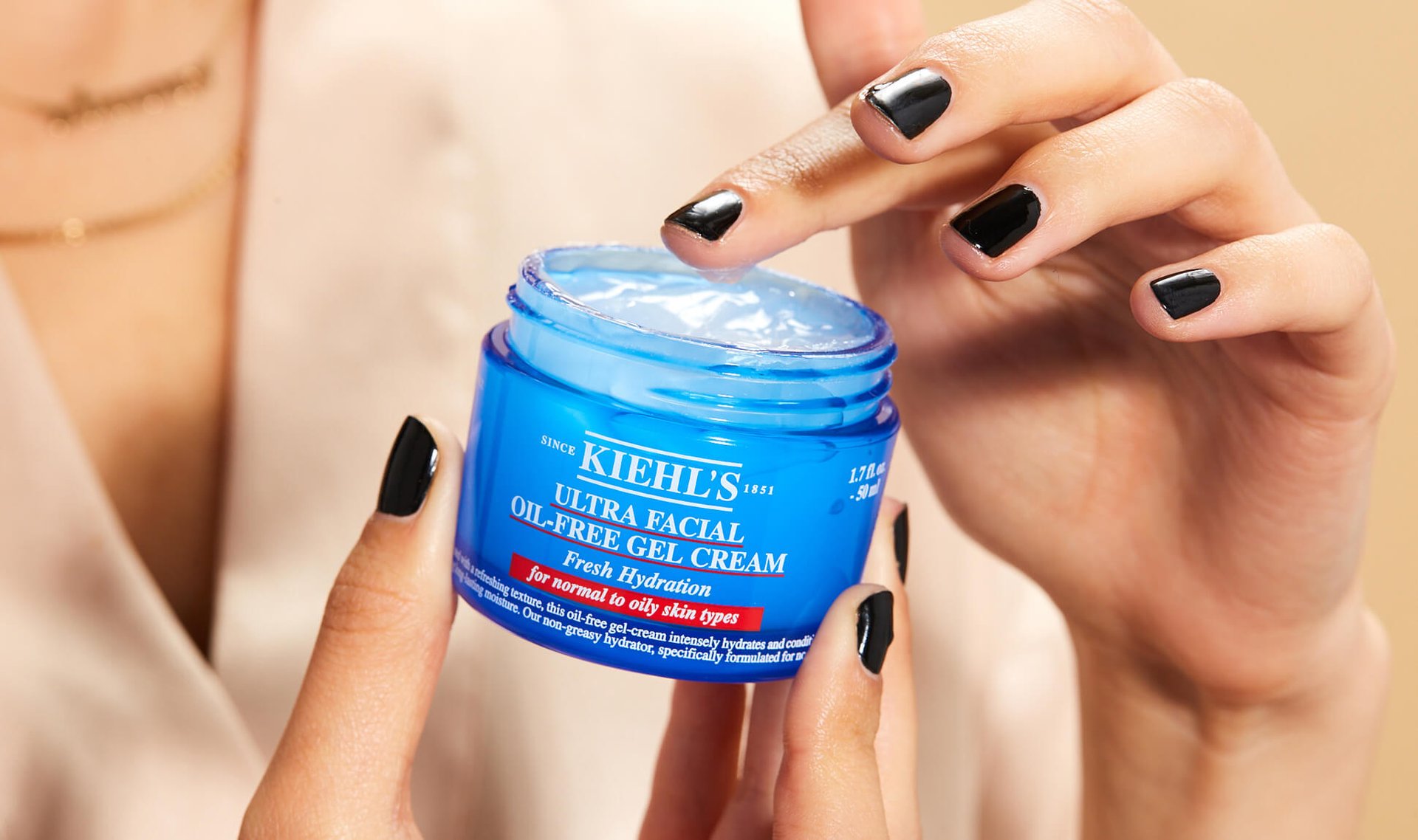
Opt for a (non-comedogenic, gel-based moisturizer) to keep skin hydrated but oil-free.
5. Sun Protection | Shield from UV Rays
A (broad-spectrum SPF 30+ sunscreen) prevents sun-induced acne and hyperpigmentation.
Nighttime Skincare Routine for Acne-Prone Skin in Mango Season
1. Double Cleansing | Remove Impurities
Start with an (oil-based cleanser) followed by a (water-based cleanser) to dissolve dirt and sunscreen.
2. Exfoliation (2-3 Times a Week) | Unclog Pores
Use a (chemical exfoliant with AHAs/BHAs) to remove dead skin cells gently.
3. Treatment Serums | Fight Active Acne
Apply a (retinol or azelaic acid serum) to reduce acne and improve skin texture.
4. Night Cream | Repair Skin Barrier
A (lightweight, ceramide-based night cream) helps restore moisture balance.
5. Spot Treatment | Zap Breakouts Overnight
Dab (benzoyl peroxide or sulfur spot treatment) on active pimples.
Weekly Treatments for Acne-Prone Skin
Clay Masks (Once a Week) – Absorb excess oil.
Sheet Masks for Hydration – Soothe irritated skin.
Professional Extractions (If Needed) – Avoid DIY popping.
Diet & Lifestyle Tips for Clear Skin in Mango Season
Stay Hydrated – Flushes out toxins.
Limit Sugary Foods – Mangoes in moderation.
Use Silk Pillowcases – Reduce bacteria transfer.
FAQs: Your Mango Season Skincare Queries Answered1. Can eating mangoes cause acne?
Yes, mangoes contain natural sugars that may increase insulin levels and sebum production. Limit to 1-2 servings daily and pair with protein to minimize breakouts.
2. Which face wash is best for acne-prone skin in summer?
A salicylic acid (2%) or benzoyl peroxide (2.5-5%) face wash works best. Try CeraVe Acne Foaming Cream Cleanser or La Roche-Posay Effaclar Medicated Gel Cleanser.
3. How often should I exfoliate acne-prone skin?
2-3 times weekly with gentle chemical exfoliants like lactic acid (5%) or salicylic acid (2%). Avoid physical scrubs that can irritate active acne.
4. Is sunscreen necessary for acne-prone skin?
Absolutely! UV exposure worsens acne scars and inflammation. Use oil-free, non-comedogenic SPF 30+ like EltaMD UV Clear or Neutrogena Clear Face.
5. Why does my acne worsen during mango season?
Humidity increases sweat and oil production while mango sugars may spike insulin. Combat this by showering after sweating and limiting sugary fruits.
6. Should I skip moisturizer if I have oily skin?
No! Skipping moisturizer triggers more oil production. Use lightweight, water-based moisturizers like Neutrogena Hydro Boost or Clinique Dramatically Different Gel.
7. How can I shrink a pimple overnight?
Apply benzoyl peroxide (2.5%) spot treatment or hydrocolloid pimple patches. Ice wrapped in cloth for 5-minute intervals also reduces swelling.
8. Are clay masks good for acne-prone skin?
Yes! Kaolin or bentonite clay masks 1-2x weekly absorb excess oil. Avoid if skin feels tight/dry after use.
9. Can stress cause breakouts in summer?
Absolutely. Stress increases cortisol, which stimulates oil glands. Practice stress management through meditation, exercise, or adequate sleep.
10. How often should I change my pillowcase?
Every 3-4 days to prevent bacteria buildup. Use silk or satin pillowcases to reduce friction irritation.
11. Does dairy worsen acne?
For many people, yes. Dairy contains hormones that may trigger breakouts. Try eliminating milk/cheese for 4 weeks to observe changes.
12. Can I use coconut oil on acne-prone skin?
No, coconut oil is highly comedogenic. Opt for non-clogging oils like squalane or jojoba instead.
13. How do I prevent mask-related acne (maskne)?
Use 100% cotton masks
Wash after each use
Apply niacinamide serum before wearing
Take mask breaks every 2 hours
14. Is retinol good for summer acne?
Yes, but start with low concentration (0.025%) 2-3x weekly. Always follow with SPF as retinol increases sun sensitivity.
15. Can I pop pimples safely?
Never! Popping causes scarring and spreads bacteria. Use pimple patches (like COSRX) to absorb pus gently.
16. Does drinking water help clear acne?
Yes! Proper hydration flushes toxins and regulates oil production. Aim for 8-10 glasses daily, more if sweating heavily.
17. How can I fade acne scars quickly?
Combine:
Vitamin C serum in AM
Retinol at night
Weekly chemical peels (10% glycolic acid)
SPF 30+ daily to prevent darkening
18. Are sheet masks good for acne-prone skin?
Yes, but choose oil-free, non-comedogenic options with ingredients like:
Tea tree oil
Centella asiatica
Snail mucin
19. Can I use lemon juice on acne?
No! Lemon is too acidic and can cause burns. Try diluted apple cider vinegar (1 part ACV:3 parts water) instead.
20. How do I know if my acne is fungal?
Fungal acne appears as:
Uniform tiny bumps
Itchy clusters
Worsens with sweating
Treat with antifungal creams (ketoconazole 2%) or dandruff shampoos.
21. Should I use hot or cold water to wash my face?
Lukewarm water is ideal. Hot water strips natural oils, while cold water doesn’t effectively remove oil/dirt.
22. Can exercise help reduce acne?
Yes! Exercise improves circulation but always shower immediately after sweating to prevent clogged pores.
23. Is aloe vera good for acne?
Yes! Pure aloe vera:
Reduces inflammation
Speeds healing
Soothes sunburn
Apply fresh gel as overnight spot treatment.
24. How do I choose non-comedogenic products?
Look for labels saying:
“Oil-free”
“Non-comedogenic”
“Won’t clog pores”
Check ingredients at cosdna.com.
25. Can pollution worsen acne?
Yes! Pollution particles clog pores. Use antioxidant serums (vitamin C) and double cleanse nightly.
26. Does green tea help acne?
Yes! Both drinking and applying cooled green tea reduces inflammation. The EGCG in green tea regulates oil.
27. Can I use turmeric for acne?
Yes! Mix with honey/yogurt as mask:
1 tsp turmeric
1 tbsp honey
1 tbsp yogurt
Leave on 15 minutes 2x weekly.
28. Should I avoid makeup with acne?
Not necessarily. Choose:
Mineral-based foundations
Non-comedogenic formulas
Oil-free concealers
Always remove thoroughly!
29. How does humidity affect acne?
High humidity:
Increases sweat
Traps bacteria
Makes products feel heavier
Switch to gel-based products in humid weather.
30. Can hormonal acne worsen in summer?
Yes! Heat stress affects hormones. Consider:
Spearmint tea (anti-androgen)
Zinc supplements
Dermatologist-prescribed treatments
31. Are facials safe for acne-prone skin?
Yes, but choose:
Enzyme facials over extractions
LED light therapy
Avoid harsh scrubbing
32. Can hair products cause acne?
Yes! Avoid:
Heavy pomades
Silicone-based products
Fragranced conditioners
Tie hair back when sleeping.
33. Does sleeping position affect acne?
Yes! Back sleeping prevents:
Pillow friction
Bacteria transfer
Product buildup
34. Can I use micellar water as cleanser?
Yes, but follow with water-based cleanser. Micellar water alone may leave residue that clogs pores.
35. How do I treat acne on my back?
Use salicylic acid body wash
Wear breathable fabrics
Shower immediately after sweating
Apply benzoyl peroxide spray
36. Does sugar really cause acne?
For many people, yes. High glycemic foods spike insulin, increasing oil production. Limit:
Refined sugars
White bread
Sweet fruits (eat with protein)
37. Can I use tea tree oil undiluted?
No! Always dilute:
1-2 drops tea tree oil
1 tbsp carrier oil (jojoba)
Apply with cotton swab.
38. How long does acne take to clear?
With consistent care:
4-6 weeks for mild acne
8-12 weeks for moderate
3+ months for severe
Be patient!
39. When should I see a dermatologist?
If OTC products fail after 8 weeks or you have:
Cystic acne
Severe scarring
Painful nodules
40. Can I prevent mango season breakouts?
Yes! Follow this routine:
Gentle cleansing 2x daily
Oil-free moisturizer
Daily SPF
Weekly exfoliation
Balanced diet
Conclusion
Following a disciplined (day and night skincare routine for acne-prone skin) during mango season can keep breakouts at bay. Incorporate the right products, maintain hydration, and adjust your diet for a radiant complexion.
Would you like personalized recommendations? Drop your skincare questions below!