Warning Signs Your Body Shows Before Diabetes Strikes | Don’t Ignore These!

Diabetes Symptoms

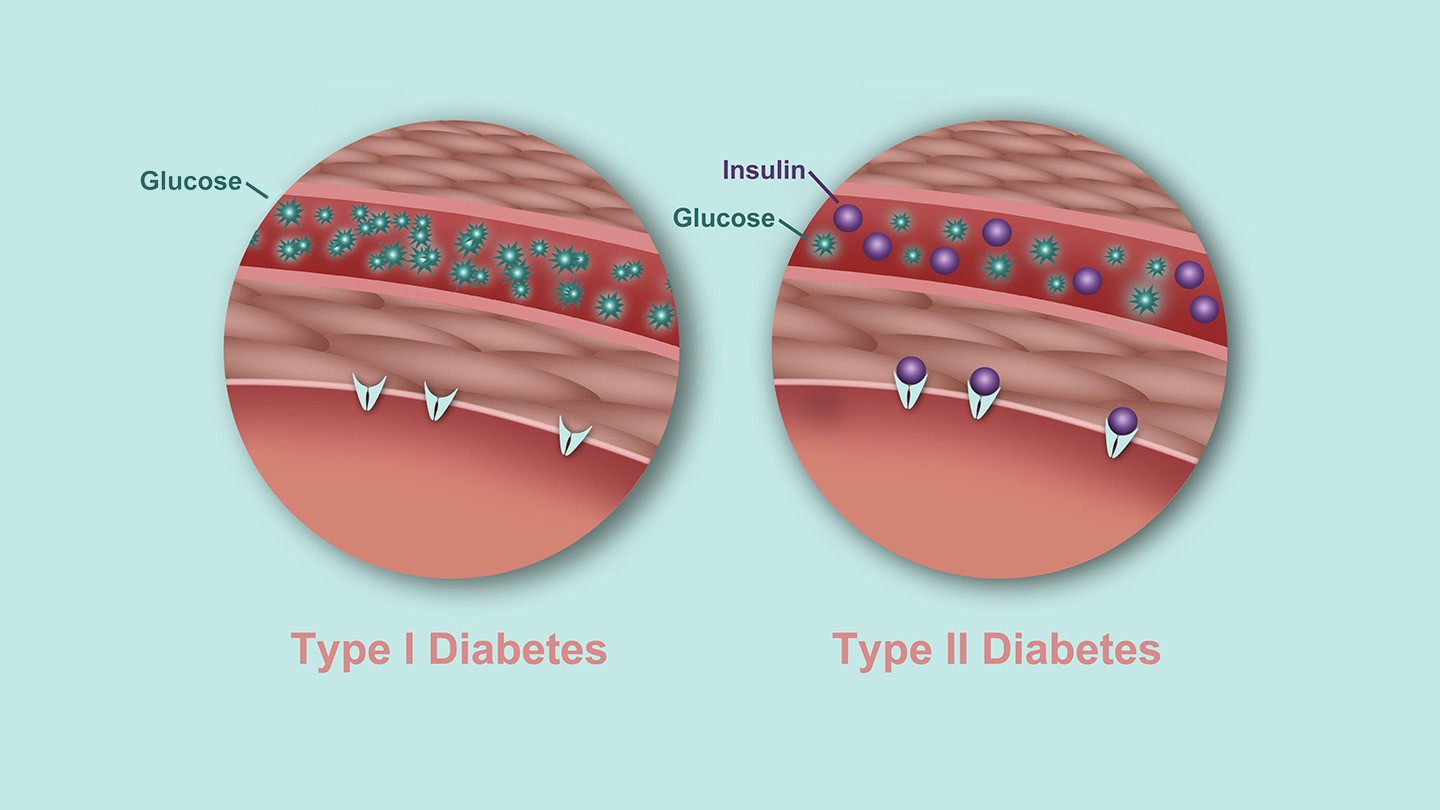
Introduction Diabetes doesn’t develop overnight—your body sends early warning signals long before blood sugar levels become dangerously high. Recognizing these signs can help you prevent or delay diabetes through lifestyle changes. In this detailed guide, we’ll explore the subtle and not-so-subtle signals your body gives before diabetes occurs, along with preventive measures. How Diabetes Develops | Understanding the Process Before diving … Read more

Red and White Marks on Your Skin? You Might Have This Serious Skin Disease!

psoriasis

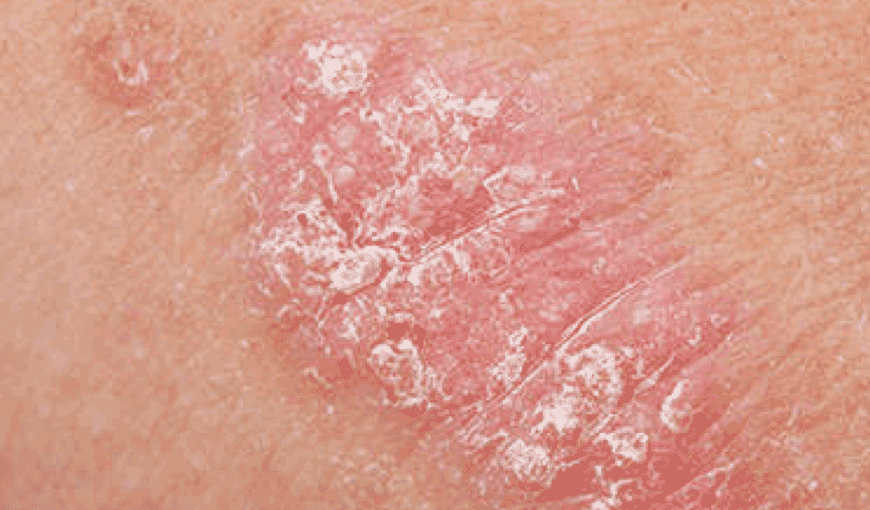
Introduction Have you recently noticed unusual red and white marks on your skin? These discolorations could be more than just a temporary rash—they might indicate a serious underlying skin disease. Conditions like vitiligo, eczema, psoriasis, or fungal infections often manifest as irregular patches, causing discomfort and concern. This comprehensive guide will explore the possible causes, symptoms, and … Read more

Blood Pressure Dropped Suddenly? | What to Eat Immediately + Long-Term Fixes

Raise blood pressure fast

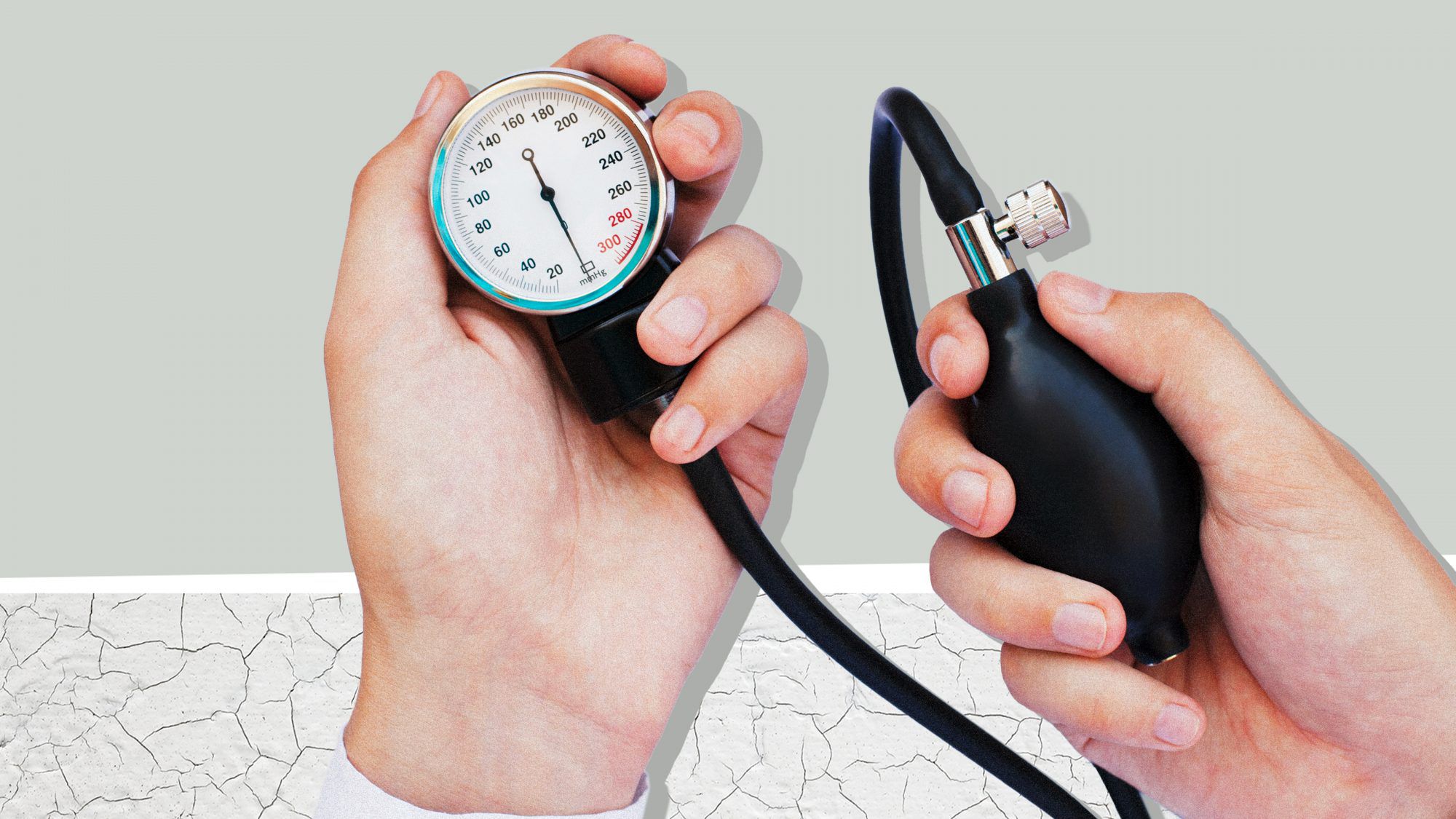
A sudden drop in blood pressure (hypotension) can cause dizziness, fainting, and fatigue. While severe cases need medical attention, food can be a powerful first-aid tool to stabilize your BP. This 3,000-word guide covers:✔ 7 emergency foods to eat right now✔ 5 long-term dietary fixes for chronic low BP✔ 40 FAQs on hypotension nutrition✔ When to seek emergency care Understanding Low Blood Pressure | Why It Happens … Read more

Try These 4 Refreshing Korean Salad Recipes to Stay Healthy and Hydrated

Korean Salad Receipe

Korean cuisine is famous for its bold flavors, vibrant colors, and health benefits. If you’re looking for light, nutritious, and hydrating meal options, Korean salads are a perfect choice. Packed with fresh vegetables, fermented ingredients, and flavorful dressings, these salads help boost digestion, immunity, and hydration. In this article, we’ll explore 4 delicious Korean salad recipes that … Read more

Depression Has Taken Over Your Mind? | 5 Powerful Measures to Strengthen Your Mental Health

Natural Ways to Fight Depression

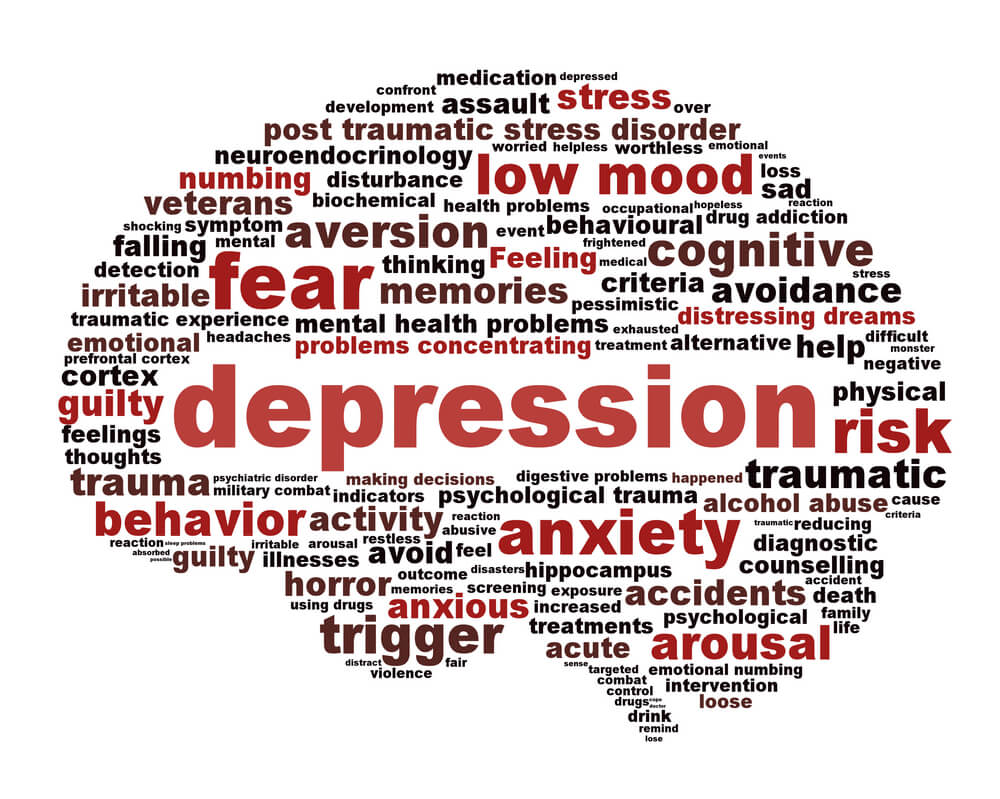
Depression Has Taken Over Your Mind? | 5 Powerful Measures to Strengthen Your Mental Health Depression can feel like a heavy cloud over your life, draining joy and motivation. But you aren’t powerless. By implementing these 5 scientifically backed measures, you can reclaim control, build resilience, and strengthen your mental health—naturally and effectively. This 3000-word guide covers:✔ How depression alters … Read more

After Washing Your Face in the Morning, Apply Gram Flour in This Way | The Spots on Your Face Will Disappear!

Besan for skin whitening

Are you struggling with stubborn facial spots and looking for a natural remedy? [Gram flour], also known as besan, is a miracle ingredient that can help fade dark spots, brighten your complexion, and give you flawless skin. In this detailed 3000-word guide, we’ll explore the best way to use gram flour in your morning skincare … Read more

7 Amazing Ways Grape Leaves Boost Your Health | How to Add Them to Your Diet

Grape Leave Tea

Introduction Grape leaves, often overlooked, are a powerhouse of nutrients and have been used in traditional medicine for centuries. Popular in Mediterranean and Middle Eastern cuisines, these leaves offer numerous health benefits, from improving digestion to boosting immunity. In this article, we’ll explore 7 incredible ways grape leaves can benefit your health and the best methods to … Read more

Celery & Cumin Water: The Fat-Melting Drink That Works Like Magic | Benefits & Recipe

Natural remedy for weight loss

Introduction Struggling with stubborn fat that won’t budge? What if a simple drink could melt fat like butter while detoxifying your body? Celery and cumin water—a powerful Ayurvedic remedy—is gaining global attention for its incredible fat-burning and health-boosting properties. In this 3,000-word guide, you’ll discover:✔ How celery + cumin water burns fat (scientifically explained)✔ Step-by-step recipe (with variations)✔ 7 proven benefits beyond weight loss✔ Best time … Read more

Why Do Heart Attacks Strike More Often in the Morning? | The Hidden Science Behind the Dawn Risk

Introduction Heart attacks are a leading cause of death worldwide, but did you know they occur more frequently in the morning? Research shows that the risk of a [heart attack] peaks between 6 AM and noon. But why? This article dives into the science behind this phenomenon, exploring biological, hormonal, and lifestyle factors that make mornings particularly dangerous for heart health. The Science Behind Morning Heart Attacks | Circadian Rhythm & Cardiovascular Risk 1. The Role of Circadian Rhythms Our bodies follow a 24-hour internal clock known as the [circadian rhythm], which regulates sleep, metabolism, and heart function. Studies reveal that: Blood pressure rises naturally in the morning. Heart rate variability changes, increasing strain on the heart. The body releases stress hormones like cortisol, which can trigger arterial stress. 2. Morning Blood Pressure Surge A phenomenon called morning surge in blood pressure causes a sharp increase in BP upon waking. This sudden spike can rupture plaque in arteries, leading to blockages and heart attacks. 3. Increased Platelet Activity Platelets, which help blood clot, are more active in the morning. This platelet aggregation in the morning raises the risk of blood clots that can block coronary arteries. 4. Hormonal Fluctuations Cortisol (the stress hormone) peaks in the early morning, increasing heart workload. Adrenaline surges, raising heart rate and blood pressure. 5. Dehydration & Blood Viscosity After hours of sleep without water, the body is dehydrated, making blood thicker and more prone to clotting. 6. Sympathetic Nervous System Activation The sympathetic nervous system (responsible for "fight or flight") is most active in the morning, constricting blood vessels and increasing heart strain. Lifestyle Factors That Increase Morning Heart Attack Risk 1. Poor Sleep Habits Sleep apnea disrupts oxygen flow, stressing the heart. Insufficient sleep increases inflammation and blood pressure. 2. Sudden Physical Exertion Heavy exercise or sudden movement upon waking can trigger a heart attack. 3. Smoking & Caffeine Morning smokers experience a nicotine-induced blood pressure spike. Excessive coffee can overstimulate the heart. 4. Skipping Breakfast Fasting increases stress hormones, worsening heart strain. How to Reduce Morning Heart Attack Risk? 1. Gradual Wake-Up Routine Avoid sudden movements; stretch gently before getting up. 2. Stay Hydrated Overnight Drink water before bed to prevent morning dehydration. 3. Monitor Morning Blood Pressure Use a home BP monitor to track morning surges. 4. Heart-Healthy Breakfast Oatmeal, nuts, and fruits help stabilize blood pressure. 5. Exercise in the Evening Moderate evening workouts reduce morning heart stress. FAQs About Morning Heart Attacks 1. Why do most heart attacks happen in the morning? The combination of hormonal surges, blood pressure spikes, and increased platelet activity raises the risk. 2. What time of day are heart attacks most common? Between 6 AM and noon, coinciding with the body’s natural wake-up cycle. 3. Does dehydration cause morning heart attacks? Yes, dehydration thickens blood, increasing clotting risk. 4. How does cortisol affect heart attack risk? High cortisol levels in the morning raise blood pressure and heart strain. 5. Can breakfast prevent heart attacks? A healthy breakfast stabilizes blood sugar and reduces stress on the heart. 6. Are heart attacks more severe in the morning? Studies suggest morning heart attacks may cause more damage due to heightened physiological stress responses. 7. How does sleep quality affect morning heart attack risk? Poor sleep increases inflammation and blood pressure, both of which contribute to cardiovascular strain. 8. Can drinking water in the morning reduce heart attack risk? Yes, rehydrating after sleep thins the blood and improves circulation, lowering clot risk. 9. Why do blood vessels constrict in the morning? The sympathetic nervous system activates upon waking, narrowing blood vessels and raising pressure. 10. Does aspirin help prevent morning heart attacks? Low-dose aspirin may reduce platelet aggregation, but consult a doctor before use. 11. How does cold weather in the morning impact heart attacks? Cold temperatures constrict arteries further, compounding morning blood pressure surges. 12. Are diabetics at higher risk for morning heart attacks? Yes—diabetes increases inflammation and arterial stiffness, worsening morning cardiovascular stress. 13. Can stress dreams trigger heart attacks at dawn? Extreme stress during REM sleep may spike adrenaline, straining the heart upon waking. 14. Why do heart attack symptoms feel worse in the morning? Higher cortisol and adrenaline levels can intensify chest pain and shortness of breath. 15. Is snoring linked to morning heart attacks? Severe snoring (a sign of sleep apnea) reduces oxygen flow, stressing the heart overnight. 16. How does alcohol the night before affect morning risk? Alcohol dehydrates and disrupts sleep, worsening blood pressure and heart rate variability. 17. Can meditation before bed lower morning heart attack risk? Yes—relaxation techniques reduce stress hormones and improve sleep quality. 18. Why do plaque ruptures happen more in the morning? Blood pressure surges and increased artery stiffness make plaques more vulnerable to rupture. 19. Does age influence morning heart attack risk? Yes—arteries stiffen with age, amplifying morning blood pressure spikes. 20. Can a warm shower in the morning help? Yes—warm water dilates blood vessels, counteracting morning constriction. 21. Are morning heart attacks more common in men or women? Men face higher risk, but postmenopausal women’s risk rises due to hormonal changes. 22. How does smoking right after waking affect risk? Nicotine spikes blood pressure and heart rate, compounding morning cardiovascular strain. 23. Can skipping medications at night increase morning risk? Yes—missing blood pressure or antiplatelet meds overnight reduces protection. 24. Does shift work raise morning heart attack risk? Disrupted circadian rhythms in shift workers elevate cardiovascular stress. 25. Why do heart rhythms destabilize in the morning? Adrenaline surges and electrolyte shifts (e.g., potassium) increase arrhythmia risk. 26. Can eating late at night worsen morning risk? Heavy late meals strain digestion and disrupt sleep, raising blood pressure by morning. 27. How does caffeine upon waking impact the heart? Excessive caffeine overstimulates the heart during an already high-stress period. 28. Are morning heart attacks more likely on weekdays? Yes—stressful routines (e.g., rushing to work) amplify physiological strain. 29. Can napping reduce morning heart attack risk? Short naps may lower stress hormones, but long naps can disrupt nighttime sleep. 30. Does vitamin D deficiency play a role? Low vitamin D is linked to hypertension and inflammation, worsening morning risks. 31. Why do statins work better when taken at night? They inhibit cholesterol production, which peaks during sleep, offering morning protection. 32. Can pets in the bedroom lower heart attack risk? Studies suggest pets reduce stress, but allergies or disrupted sleep may offset benefits. 33. How does pollen/allergies in the morning affect risk? Allergic inflammation may strain the cardiovascular system upon waking. 34. Is there a genetic component to morning heart attacks? Genes influencing blood pressure rhythms (e.g., ACE) can increase susceptibility. 35. Can mouthwash in the morning raise risk? Some antiseptic mouthwashes kill oral bacteria that help regulate blood pressure. 36. Does laughter before bed help? Yes—laughter reduces stress hormones and improves blood vessel function. 37. Are heart attacks more common in winter mornings? Cold weather constricts blood vessels, compounding morning blood pressure surges. 38. Can blue light from screens at night increase risk? Blue light disrupts melatonin, reducing sleep quality and raising morning stress. 39. Does eating dark chocolate at night help? Flavonoids in dark chocolate may improve blood vessel flexibility by morning. 40. Can a bedtime magnesium supplement lower risk? Magnesium relaxes blood vessels and may mitigate morning blood pressure spikes. Conclusion Understanding why [heart attacks] occur more often in the morning can help you take preventive steps. By managing blood pressure, staying hydrated, and adopting heart-friendly habits, you can reduce your risk and protect your cardiovascular health. Would you like any refinements or additional sections?

Introduction Heart attacks are a leading cause of death worldwide, but did you know they occur more frequently in the morning? Research shows that the risk of a [heart attack] peaks between 6 AM and noon. But why? This article dives into the science behind this phenomenon, exploring biological, hormonal, and lifestyle factors that make … Read more

Skin Type Confusion? Here’s How to Identify & Care for Yours the Right Way

skincare routine by skin type

Introduction Do you ever feel overwhelmed by skincare products because you’re unsure of your [skin type]? You’re not alone! Many people struggle to identify whether their skin is oily, dry, combination, or sensitive—and using the wrong products can worsen issues like acne, flakiness, or irritation. This guide will help you:✔ Determine your exact skin type with simple … Read more